The Best Pulper Machine Options for Efficient Waste Management in China?
As waste management becomes a pressing issue in China, the demand for innovative solutions grows. The Pulper Machine stands out as a crucial technology in this realm. According to a recent report by the National Bureau of Statistics of China, waste production reached 300 million tons in 2022, highlighting the need for effective processing methods. This machine offers an efficient way to recycle and process various types of waste, especially paper products.
However, selecting the right Pulper Machine is not without challenges. Factors such as cost, maintenance, and production efficiency need careful consideration. Recent studies indicate that improper machine selection could lead to decreased operational efficiency, costing businesses more in the long run. Moreover, many organizations have struggled with integrating these machines into existing systems, causing delays and increased waste.
In this evolving landscape, making informed choices about Pulper Machines can significantly impact waste management strategies. Companies need to evaluate their specific needs and existing infrastructure. The right machine can not only improve waste processing but also contribute to sustainable initiatives crucial for future growth. Understanding these elements is essential for seamless integration and maximizing benefits.
The Importance of Pulper Machines in Waste Management in China
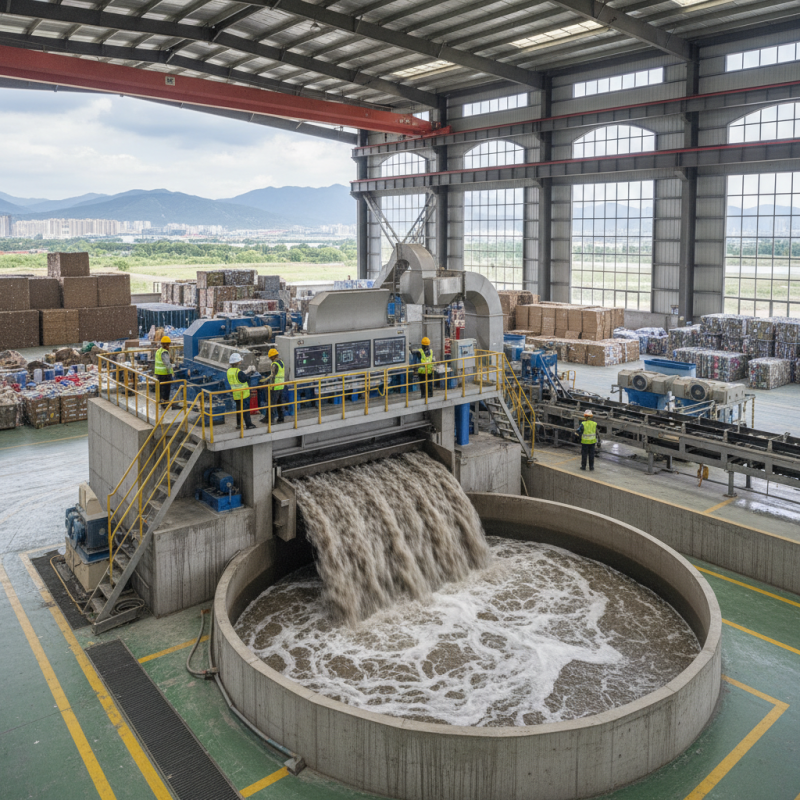
Pulper machines play a crucial role in waste management, particularly in China. As the country faces increasing waste generation, effective waste processing technology becomes essential. According to the National Bureau of Statistics, urban waste in China reached over 220 million tons in 2022. This highlights the urgent need for efficient waste management systems.
The importance of pulper machines lies in their ability to reduce waste volume significantly. They process materials like paper, cardboard, and organic waste, turning them into reusable pulp. This process not only minimizes landfill use but also promotes recycling. Industry experts suggest that integrating pulper machines can increase recycling rates by up to 30%. However, the adoption of these machines varies by region, and some areas still rely heavily on outdated methods.
Moreover, while many facilities utilize pulper machines, inefficiencies remain. Issues such as maintenance gaps and lack of operator training can hinder performance. Reports indicate a significant percentage of machinery operates below optimal levels. This underlines the need for continuous improvement and investment in staff training to maximize the benefits of pulper technology. Waste management in China reflects both challenges and opportunities for innovation in this essential sector.
Key Types of Pulper Machines and Their Applications
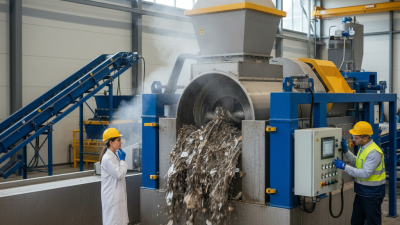
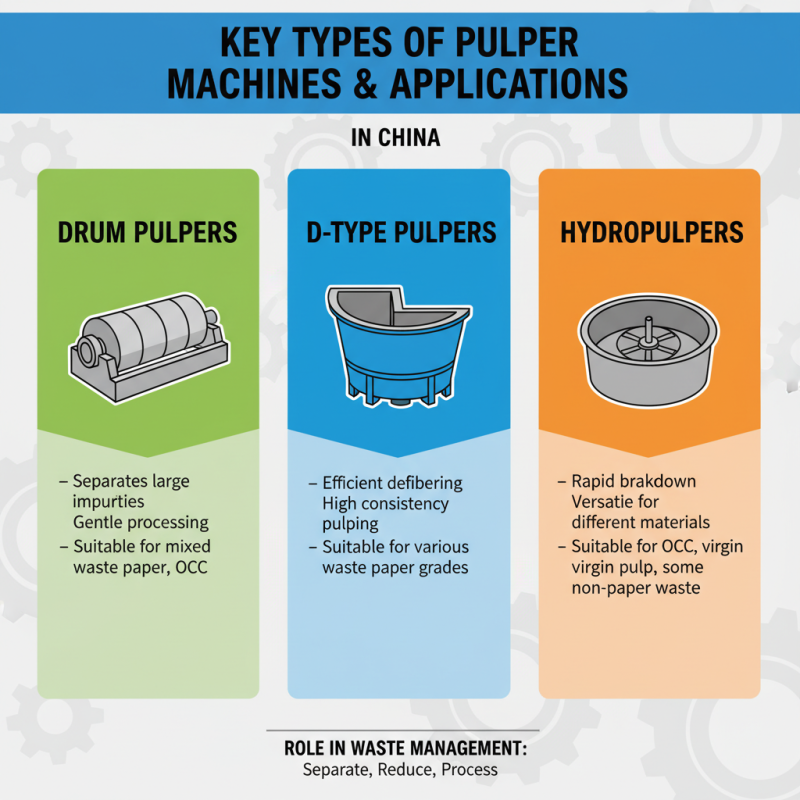
In China, pulper machines play a crucial role in waste management. They help to separate, reduce, and process various types of waste materials. The most common types of pulper machines include drum pulpers, D-type pulpers, and hydropulpers. Each type has unique advantages for specific applications.
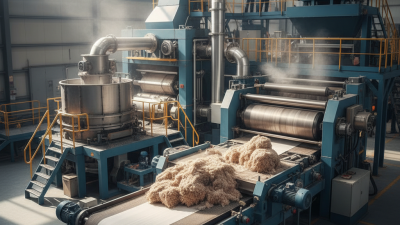
Drum pulpers are often used for recycled paper processing. They efficiently break down materials and enhance fiber recovery. D-type pulpers offer flexibility in handling different waste streams. They can process various materials quickly, making them ideal for large-scale operations. Hydropulpers, on the other hand, focus on wet pulping and are suitable for handling high-moisture content waste.
**Tip:** Choose the right pulper machine based on your specific waste type. Evaluate your processing volume and budget to make an informed decision.
Another consideration is the machine's energy efficiency. Look for pulpers that minimize power consumption while maximizing output. Energy-efficient machines lead to lower operational costs and reduced environmental impact.
**Tip:** Regular maintenance is key to ensuring optimal performance. Schedule routine check-ups and replace worn parts promptly to avoid costly downtime.
Market Trends and Demand for Pulper Machines in China
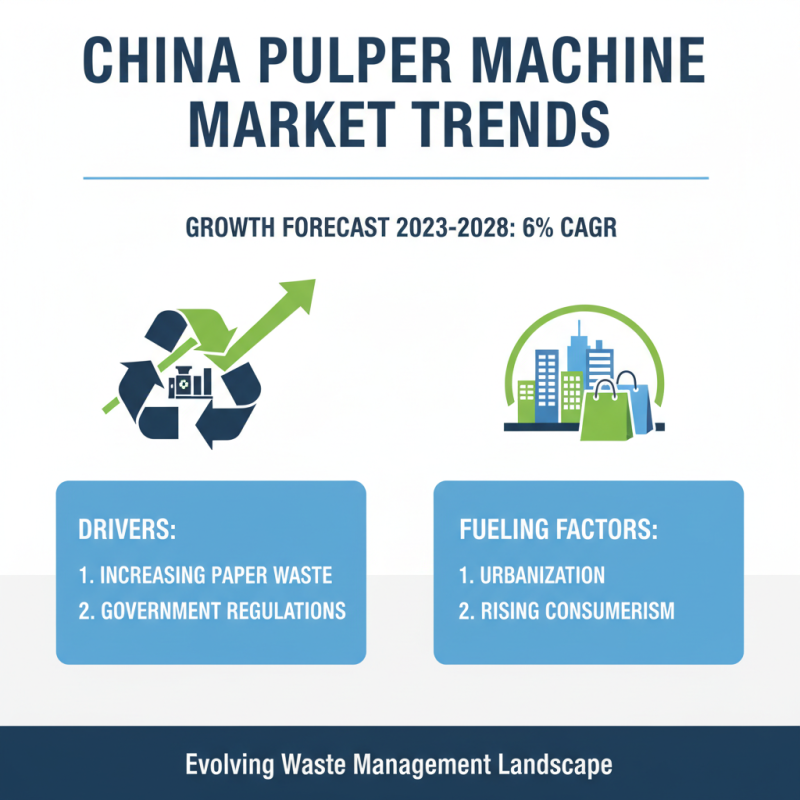
China's waste management landscape is evolving rapidly. The demand for pulper machines is growing, driven by increasing paper waste and government regulations. According to recent industry reports, the pulper machine market in China is projected to grow at a compound annual growth rate of 6% from 2023 to 2028. This growth is primarily fueled by urbanization and rising consumerism, which contribute to substantial paper consumption.
Recent statistics reveal that China generates over 200 million tons of paper waste annually. This alarming figure highlights the urgent need for efficient waste management solutions. Pulper machines play a crucial role in recycling waste paper back into usable pulp. A well-functioning pulper can reduce waste volume by up to 85%, showcasing its efficiency. However, the market still faces challenges, such as high energy consumption and initial capital costs for installation.
The technical advancements in the pulping process are noteworthy. Innovations like closed-loop systems and energy-efficient technologies are gradually emerging. Yet, many operators struggle to implement these solutions. The balancing act between cost and efficiency remains a critical concern. As businesses seek to enhance their environmental footprint, the right pulper machine will be instrumental in pushing China towards sustainable waste management practices.
Technical Specifications for Efficient Waste Processing
When considering pulper machines for waste management in China, efficiency is key. These machines help process organic and recyclable materials. Their design should support high capacity and energy-saving operations. Features like durable stainless steel construction can enhance longevity. Machines with adjustable speed settings can accommodate different waste types effectively.
Assessing technical specifications is crucial for selection. A machine should have a high throughput rate, capable of handling large volumes. Noise levels must also meet local regulations to avoid disturbances. Filters and screens that prevent blockages are essential. This ensures continuous operation without frequent maintenance.
Many pulper machines come with additional functionalities. Shredding, grinding, and separating components can increase versatility. However, some machines may struggle with mixed waste types. It’s important to analyze the specific requirements of local waste management systems. Regular training for operators ensures optimal machine performance. Understanding the limitations of equipment is as crucial as knowing its strengths.
Cost-Benefit Analysis of Investing in Pulper Machines
Investing in pulper machines can significantly enhance waste management efficiency in China. According to a report from the China National Resources Recycling Association, the recycling rate of paper waste in urban areas is around 50%. Implementing modern pulper technology can potentially increase this rate to over 70%. The initial investment in these machines may seem high; however, the long-term benefits often outweigh the costs.
Pulper machines reduce the volume of waste significantly, leading to lower transportation and disposal costs. Data from industry studies indicate that companies can save up to 30% on waste management expenses after adopting pulping solutions. Additionally, businesses can benefit from producing reusable pulp, further reducing raw material costs.
Tip: Consider energy-efficient models. They can offer savings on electricity bills while promoting sustainability.
Many companies underestimate the maintenance involved with pulper machines. Regular servicing is crucial to ensure optimal performance and avoid costly breakdowns. Suppliers often recommend hosting training sessions for staff to ensure proper operation. These measures can lead to more efficient workflow and less downtime, enhancing overall productivity.
Tip: Always assess your waste types. Different pulper machines handle specific materials better than others.
The Best Pulper Machine Options for Efficient Waste Management in China
| Machine Type |
Processing Capacity (tons/day) |
Power Consumption (kW) |
Initial Investment (USD) |
Annual Maintenance Cost (USD) |
ROI (%) |
| High-Capacity Pulper |
50 |
100 |
250,000 |
10,000 |
20 |
| Medium Variety Pulper |
30 |
70 |
150,000 |
8,000 |
25 |
| Compact Pulper |
15 |
50 |
100,000 |
5,000 |
30 |
| Industrial Pulper |
100 |
150 |
400,000 |
15,000 |
15 |