Top Paper Pulp Machine Features and Benefits Why Choose Them?
The Paper Pulp Machine plays a vital role in the paper production process. Its design significantly influences the efficiency and quality of the final products. Many manufacturers select these machines based on their unique features and benefits. Understanding these factors can help businesses make informed decisions.
With advancements in technology, modern Paper Pulp Machines offer enhanced productivity and consistency. They streamline the production process while minimizing waste. These machines can vary greatly in capability and functionality. Evaluating their specifications is crucial for any paper manufacturing enterprise.
Investing in a quality Paper Pulp Machine requires careful consideration. There must be an alignment between the machine's features and the company's specific needs. Despite the clear benefits, not every machine will meet expectations. Therefore, it's important to reflect on previous experiences and outcomes to avoid future missteps.
Key Features of Modern Paper Pulp Machines
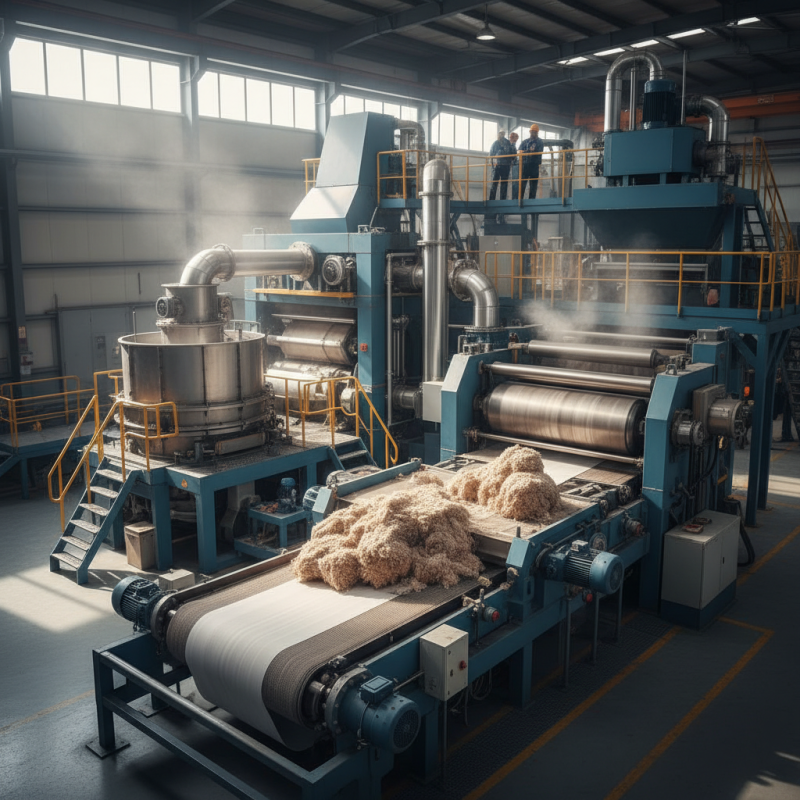
Modern paper pulp machines boast several key features that enhance efficiency and sustainability in the pulp and paper industry. One significant feature is the advanced deinking technology, which effectively removes ink from recycled paper. According to industry reports, this technology can improve pulp quality by over 70%, making it a staple for manufacturers focused on producing high-grade paper products.
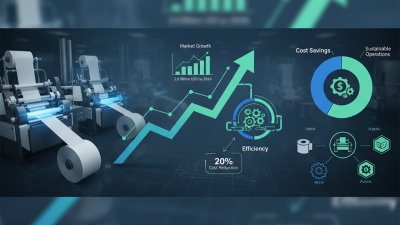
Another important feature is the integration of automation systems. These systems allow real-time monitoring and adjustments, enhancing the operational efficiency of pulp production lines. Data indicates that automating processes can lead to a 30% reduction in operational costs. Moreover, modern machines often support eco-friendly practices through energy-efficient designs, aligning with growing environmental standards.
Tip: Regular maintenance is crucial for maximizing the performance of your pulp machine. Schedule check-ups to prevent unplanned downtimes.
Despite these advancements, it’s essential to recognize that not all machines are performing as expected. Some users report issues such as high maintenance costs and the complexity of operations. It might be beneficial to analyze long-term returns before investing. Emphasizing efficiency while ensuring reliability remains a challenge within the industry.
Top Paper Pulp Machine Features and Benefits
| Feature |
Description |
Benefits |
| High Efficiency |
Designed to maximize output with minimal energy consumption. |
Reduces operational costs and improves production rates. |
| Automation |
Incorporates automatic controls for monitoring and adjusting the process. |
Enhances consistency and reduces manual labor requirements. |
| Sustainable Practices |
Utilizes eco-friendly materials and processes that minimize waste. |
Meets environmental regulations and promotes a green manufacturing image. |
| Compact Design |
Space-efficient layout designed for easy integration into existing facilities. |
Saves floor space and allows for better workflow management. |
| Low Maintenance |
Built with durable components that require less frequent repairs. |
Decreases downtime and maintenance costs, ensuring more uptime. |
Benefits of Using Advanced Paper Pulp Machines
Advanced paper pulp machines bring numerous benefits to the manufacturing process. These machines enhance efficiency, reduce energy consumption, and ensure superior pulp quality. They utilize innovative technology to streamline production, leading to faster turnaround times. The automatic features also minimize human error, improving consistency in product quality.
Tips: Regular maintenance is essential. Schedule routine checks to keep machines running smoothly. This can prevent costly breakdowns. Understanding machine capabilities helps optimize production. Operators should be well-trained for better efficiency.
Moreover, using advanced machines can significantly lower environmental impact. They often consume less water and energy compared to older models, aligning with sustainability goals in production. However, the initial investment can be high. Companies need to weigh costs versus benefits carefully to ensure long-term gains. Efficiency gains may take time to realize, requiring patience and strategic planning.
Environmental Impact of Paper Pulp Manufacturing Equipment
The environmental impact of paper pulp manufacturing equipment is significant. Modern machines aim to reduce waste and save energy. These advancements are crucial as the industry grapples with sustainability challenges.
Paper pulp production generates considerable emissions and waste. Outdated machines often contribute to higher levels of pollution. By investing in newer technology, manufacturers can lower their carbon footprint. Innovations such as closed-loop systems minimize water pollution and energy consumption.
However, transitioning to eco-friendly equipment is not without challenges. The initial investment can be hefty. Companies must weigh the long-term benefits against upfront costs. There’s a continuous need for education about sustainable practices. A commitment to improvement is essential for a greener future in paper production.
Cost-Effectiveness of Investing in Quality Pulp Machines
Investing in quality pulp machines can yield significant cost savings for paper manufacturers. According to a report from Smithers Pira, production efficiency can rise by 30% with advanced pulp machinery. This increase comes from streamlined processes and reduced downtime. A good machine minimizes waste. In turn, this leads to lower raw material costs. The right equipment can also significantly reduce energy consumption, translating to lower utility bills.
Quality pulp machines often offer better reliability and longevity. Many manufacturers report that these machines last up to 15 years with proper maintenance. This durability means less frequent replacements. It helps keep production lines running smoothly. The initial investment may be higher, but the return on investment is clear. A study indicated that companies could recoup their costs within three to five years through increased efficiency and reduced overhead.
Companies must also think about maintenance costs. A sophisticated machine may require skilled operators. Training costs can add up. Yet, the payoffs in productivity and quality are undeniable. Some firms overlook these factors. They find themselves bottlenecked by equipment that can’t keep pace with demand. In contrast, those who prioritize quality equipment often find they stay competitive in a challenging market.
Choosing the Right Paper Pulp Machine for Your Business Needs
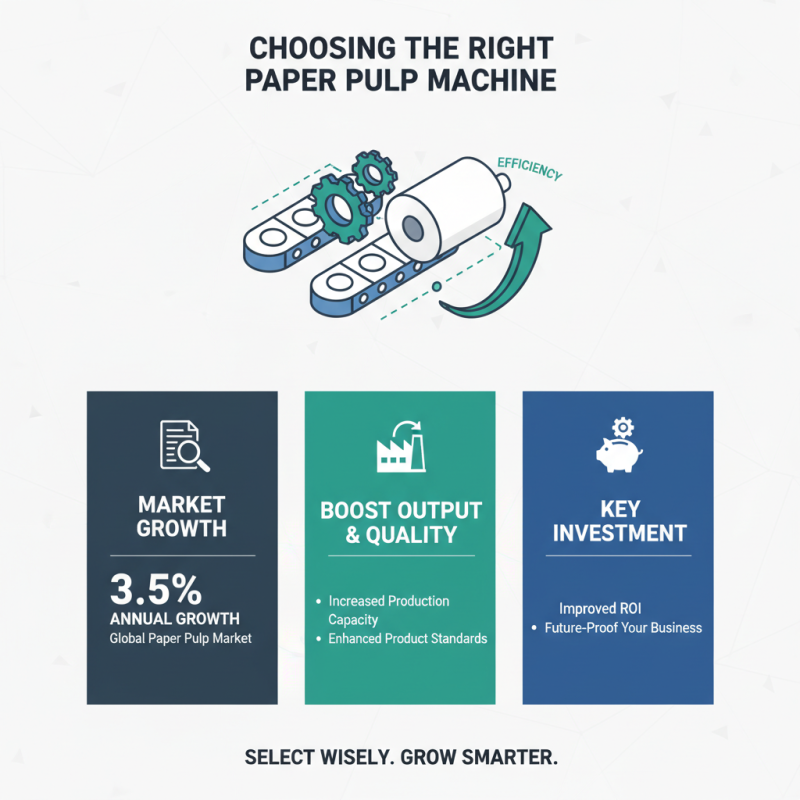
Choosing the right paper pulp machine is crucial for any manufacturing business aiming to boost efficiency. Industry reports indicate that the global paper pulp market is projected to grow by 3.5% annually, underscoring the need for advanced machinery. A suitable machine can not only improve output but also enhance product quality, making it a key investment.
Consider the specific needs of your production line. Different machines cater to varying capacities and pulp types. For instance, if your focus is on producing high-quality recycled paper, invest in a machine that provides superior pulping capabilities. It’s essential to evaluate energy efficiency as well. High-performance machines often consume less energy, leading to lower operational costs in the long run.
Tips for choosing a machine include assessing maintenance requirements and supplier support. A machine might seem excellent on paper, but costly maintenance can affect your bottom line. Always inquire about user reviews and case studies. Gathering insights from other users can provide valuable information regarding reliability and performance over time. Reflect on whether the features align with your production goals and if they add value to your business operations.