Top Benefits of Using Carbon Paper Machine for Your Printing Needs
The printing industry has seen significant evolution over the years, with advancements in technology paving the way for more efficient and environmentally friendly practices. Among these advancements, the Carbon Paper Machine stands out as a vital tool for businesses aiming to streamline their printing processes. According to a recent industry report by Smithers Pira, the global demand for carbonless paper products has been growing at a rate of 3.5% annually, indicating a robust market where the traditional carbon paper still holds relevance.
Utilizing a Carbon Paper Machine can enhance productivity and reduce waste, which is increasingly important as companies seek to improve their sustainability initiatives. Research suggests that switching to modern carbon paper solutions can lead to a 20% reduction in paper waste, underscoring its value for businesses committed to minimizing their environmental footprint. Additionally, the ability to produce multiple copies simultaneously with high clarity not only boosts operational efficiency but also maintains the quality that customers expect in printed materials. As the printing landscape continues to adapt, integrating advanced tools like the Carbon Paper Machine is essential for businesses looking to remain competitive while meeting the demands of eco-conscious consumers.
Benefits of Carbon Paper Machines in Modern Printing Applications
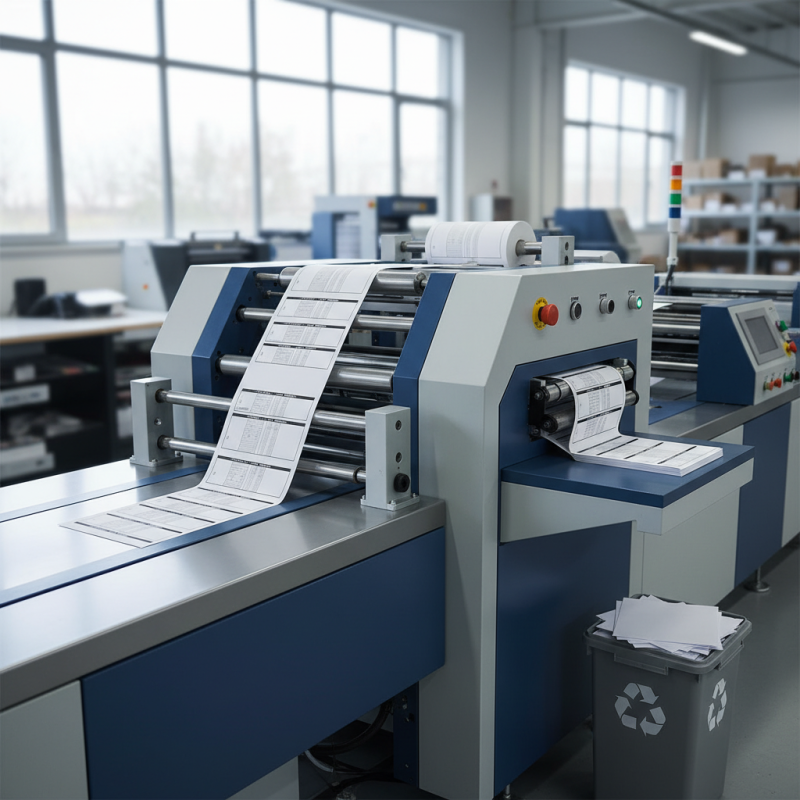
In modern printing applications, carbon paper machines offer a unique blend of efficiency and versatility. One of the key benefits is the ability to create multiple copies of a document simultaneously, which can significantly streamline workflow processes in offices, schools, and other settings. This is particularly advantageous for businesses that require physical documentation, such as invoices or contracts, allowing them to save time and resources.
Additionally, carbon paper machines are known for their cost-effectiveness. Unlike digital printing methods that often require expensive equipment and consumables, carbon paper can be an economical choice for businesses looking to minimize operational costs. The longevity and reusability of carbon paper also mean less waste, contributing to a more sustainable printing practice.
Tips: When using carbon paper machines, ensure that you select high-quality carbon paper for optimal results. Always test your setup with a sample to adjust for the best pressure and alignment, as this can affect the clarity and accuracy of your prints. Regular maintenance of the machine is also vital; keeping it clean and in good condition will help avoid any printing errors and prolong its lifespan.
Top Benefits of Using Carbon Paper Machine for Your Printing Needs
The following chart illustrates the key benefits of using carbon paper machines in modern printing applications. Each bar represents a specific advantage based on industry feedback and analysis.
Cost Efficiency: How Carbon Paper Machines Reduce Printing Expenses
The use of carbon paper machines in printing processes has gained traction due to their cost efficiency, which significantly lowers operational expenses for businesses. A recent industry analysis indicates that companies utilizing carbon paper for duplication can reduce their printing costs by up to 40% compared to traditional printing methods. This reduction comes from several factors, including the elimination of ink and toner costs, as carbon paper allows for multiple copies to be made in one pass, saving both resources and time.
Moreover, the longevity of carbon paper machines contributes to saving strategies in printing operations. According to studies, organizations that adopt carbon paper solutions report a decrease in material waste by approximately 25%. This not only leads to reduced expenditure on printing supplies but also enhances sustainability efforts, aligning with increasing environmental regulations and corporate responsibility standards. As businesses look for innovative ways to cut costs and improve efficiency, the adoption of carbon paper machines stands out as a practical and economically viable solution.
Top Benefits of Using Carbon Paper Machine for Your Printing Needs - Cost Efficiency: How Carbon Paper Machines Reduce Printing Expenses
| Benefit |
Description |
Cost Reduction (%) |
Time Efficiency (Hours) |
| Lower Material Costs |
Using carbon paper machines can significantly reduce the cost of raw materials in printing. |
30% |
2 |
| Increased Productivity |
Machines can produce more copies in less time compared to traditional methods. |
25% |
3 |
| Less Waste Generation |
Carbon paper machines produce less waste compared to conventional printing processes. |
15% |
1 |
| Lower Energy Consumption |
These machines are designed to consume less energy, contributing to reduced operational costs. |
20% |
4 |
| Maintenance Savings |
Carbon paper machines require less frequent maintenance, which translates to lower upkeep costs. |
10% |
1.5 |
Enhanced Print Quality: Achieving Clarity with Carbon Paper Technology
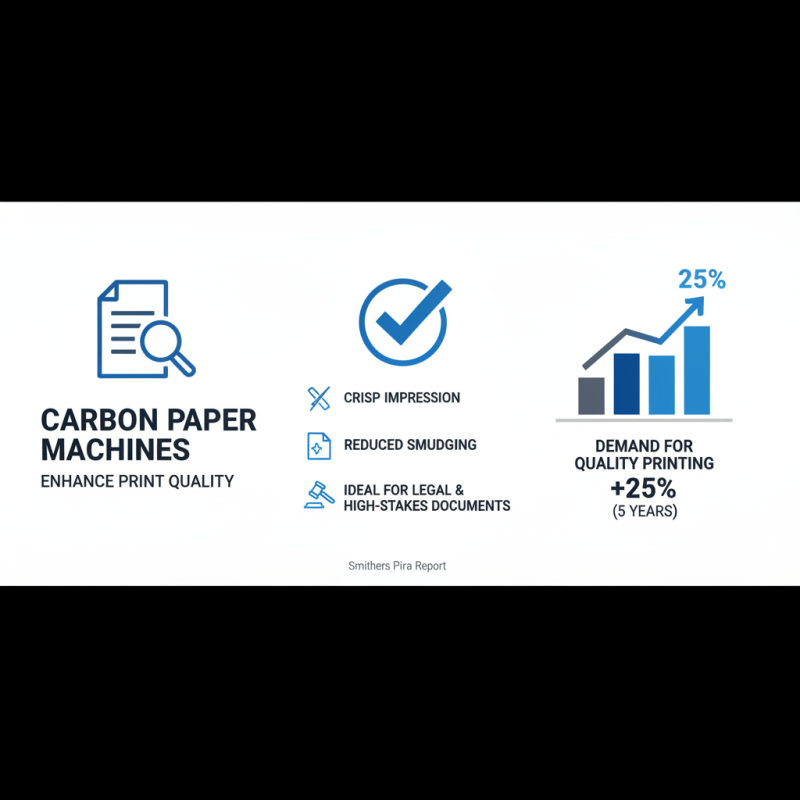
The utilization of carbon paper machines can significantly enhance print quality, leading to remarkably clear and precise reproductions. According to a report by Smithers Pira, the demand for quality printing solutions has surged by 25% over the past five years, emphasizing the need for effective carbon paper technology. These machines allow for a crisp impression that maintains fidelity to the original document, reducing the likelihood of smudging or blurriness that can often plague traditional printing methods. This is particularly beneficial in sectors like legal documentation and high-stakes environments where clarity is non-negotiable.
To maximize the capabilities of carbon paper machines, consider a few key tips. Firstly, ensure the alignment of the paper and carbon sheets is perfect before initiating the printing process. Any misalignment can lead to errors that compromise print quality. Additionally, maintaining the right pressure during printing can make a significant difference; too much pressure may distort the output, while too little may lead to faint impressions. Lastly, selecting high-quality carbon paper specifically designed for your machine can further enhance results and extend the longevity of the equipment.
With the evolving landscape of printing technologies, carbon paper continues to hold its ground as an efficient alternative, especially in environments where clarity and durability of prints are paramount. As noted in the latest printing industry insights, advancements in carbon paper manufacturing are projected to continue, ensuring that users benefit from sustained excellence in print quality and operational efficiency.
Environmental Impact: Sustainability of Carbon Paper in the Printing Industry
The use of carbon paper in the printing industry offers a sustainable approach that aligns well with current environmental concerns. Unlike many modern printing methods that rely heavily on chemicals and energy-intensive processes, carbon paper provides a simple, reusable solution for creating multiple copies without the need for additional resources. This not only reduces waste generated by disposable printing products but also minimizes the carbon footprint associated with manufacturing and operating complex digital printing machines.
Moreover, carbon paper is biodegradable, making it an eco-friendly alternative that supports sustainability. As businesses and consumers alike seek to decrease their environmental impact, incorporating carbon paper into their processes allows them to uphold their commitment to greener practices. By choosing carbon paper, companies can significantly lower the reliance on electronic devices and their associated energy consumption, promoting a more sustainable model within the printing industry that encourages resource conservation and responsible production.
Market Trends: Growth Statistics and Adoption Rates of Carbon Paper Solutions
The market for carbon paper solutions has seen a notable resurgence in recent years, driven by a growing appreciation for traditional printing methods among various industries. According to recent data, the adoption rates of carbon paper machines are on the rise, particularly in sectors such as
education, legal documentation, and
small business operations. This trend is primarily attributed to the cost-effectiveness and efficiency of carbon paper in producing multiple copies simultaneously without the need for electronic devices.
Furthermore, as sustainability becomes a key focus in printing practices, many organizations are turning to carbon paper to reduce their carbon footprints. The production process of carbon paper typically involves fewer resources compared to digital printing options, making it an attractive choice for eco-conscious businesses. Growth statistics indicate that the demand for carbon paper solutions is expected to maintain an upward trajectory, reflecting a shift back to more manual printing processes in a technology-driven world.
As industries recognize the value of carbon paper machines, this solution appears poised to carve out a significant niche in the printing market.