Best Slitting Equipment for Efficient Material Processing and Cost Savings
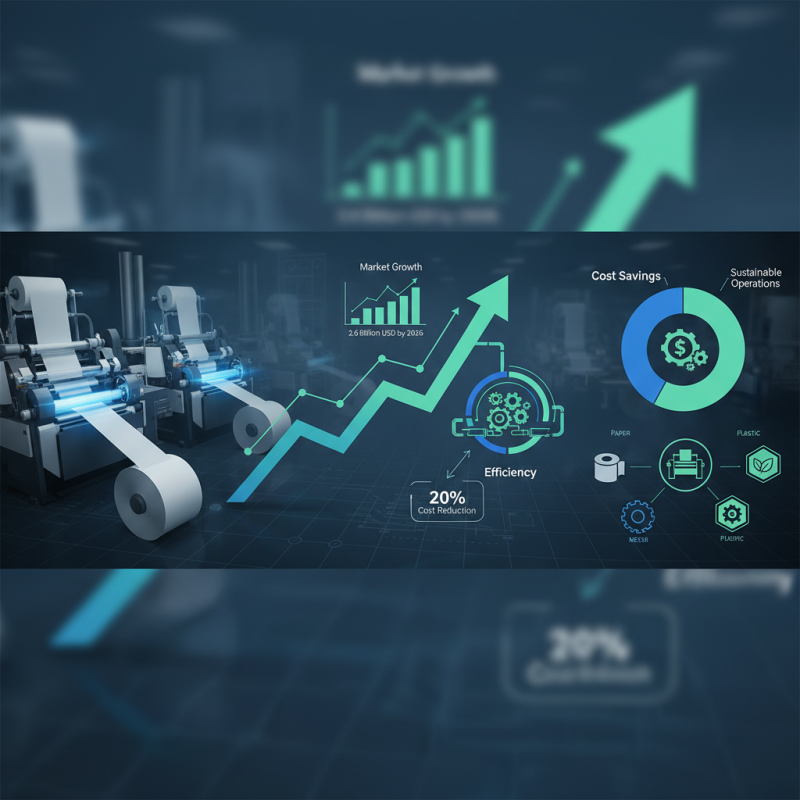
In today’s fast-paced manufacturing landscape, optimizing material processing is crucial for enhancing productivity and reducing operational costs. The slitting process plays a vital role in various industries, particularly in converting operations that require precise cuts of materials like paper, plastic, and metals. Recent industry reports indicate that the global slitting equipment market is expected to experience significant growth, driven by increased demand for customized products and efficient production techniques. According to a report from MarketsandMarkets, the slitting and rewinding machine market alone is projected to reach USD 2.6 billion by 2026, reflecting a compound annual growth rate (CAGR) of 5.5% from 2021 to 2026.
To achieve optimal results, selecting the right slitting equipment is imperative for manufacturers looking to streamline their operations. Advanced slitting technologies not only enhance cutting precision but also contribute to overall cost savings by minimizing material waste and reducing downtime during production. Furthermore, integrating automated systems in slitting processes has been shown to significantly improve efficiency, with studies highlighting a potential reduction in operational costs by up to 20% when adopting state-of-the-art slitting machinery. As industry demands continue to evolve, investing in cutting-edge slitting equipment will be essential for businesses aiming to maintain a competitive edge and ensure sustainable operations.
Understanding the Importance of Slitting Equipment in Material Processing
When it comes to material processing, slitting equipment plays a pivotal role in ensuring efficiency and maximizing cost savings. The importance of this equipment lies in its ability to cut large rolls of materials into smaller, more manageable sizes without compromising on quality. This precision cutting process is crucial for industries such as packaging, textiles, and manufacturing, where consistency and accuracy can significantly impact overall production efficiency.
Tips for selecting the right slitting equipment include evaluating the specific materials you’ll be working with and the desired end product dimensions. Consider the slitting method that best suits your needs—whether it’s rotary slitting, razor slitting, or shear slitting—and how it affects your workflow. Additionally, investing in equipment with adjustable settings can help accommodate various material types and sizes, allowing your operation to be more flexible and responsive to market demands.
Furthermore, regular maintenance of slitting equipment is essential to ensure optimal performance. Keeping blades sharp and adjusting tension settings according to material specifications can help in achieving clean cuts and reducing waste. By implementing these best practices, companies can enhance their material processing efficiency and ultimately achieve greater cost savings in their operations.
Slitting Equipment Efficiency and Cost Savings
This chart illustrates the percentage of cost savings achieved through different types of slitting equipment. High-speed and laser slitting methods offer the greatest cost reductions, enhancing material processing efficiency.
Types of Slitting Equipment: A Comparative Overview
In the realm of material processing, slitting equipment plays a crucial role in maximizing efficiency and reducing operational costs. Various types of slitting machines are available, each designed to cater to specific materials and production needs. A comparative overview of these machines reveals distinct features and advantages that can significantly impact productivity. For instance, rotary slitting machines are widely acclaimed for their speed and precision, making them suitable for high-volume production runs. According to a report by MarketsandMarkets, the global slitting machine market is projected to reach USD 3.5 billion by 2026, suggesting an increasing demand for efficient slitting solutions.
Another popular type is shear slitting equipment, which utilizes a blade to cut through thicker materials, offering versatility across different applications. Studies indicate that shear slitting can yield higher quality cuts on tougher materials compared to rotary methods, leading to reduced waste and lower overall costs. Furthermore, advancements in automation are transforming the landscape of slitting technology, enabling real-time monitoring and adjustments that enhance operational efficiency. As per a recent industry survey, facilities utilizing advanced slitting technologies reported a 20% decrease in production time and a significant improvement in material yield, underscoring the importance of selecting the right slitting equipment for cost-effective material processing.
Evaluating the specific needs of production lines and understanding the advantages of each type of slitting equipment are vital steps for manufacturers aiming to optimize their operations. With the continuous evolution of slitting technology, businesses are urged to stay informed about advancements that can further boost efficiency and profitability.
Factors to Consider When Selecting Slitting Equipment
When selecting slitting equipment, several critical factors come into play that can significantly influence efficiency and cost savings in material processing. First and foremost, the material type to be processed is crucial. Different materials, such as paper, metal, or plastic, may require specialized slitting equipment designed to handle specific properties and thicknesses. Evaluating the material's characteristics will help determine the appropriate blade type, tension control, and feed mechanisms needed for optimal performance.
Another important factor is the desired production speed and volume. Higher speeds may lead to increased productivity, but they can also necessitate more advanced control systems to ensure precision. It is essential to assess the balance between speed and quality, as faster processing can result in higher scrap rates if not managed properly. Additionally, considering maintenance requirements and ease of operation is vital; equipment that is user-friendly and requires minimal downtime for maintenance will lead to long-term cost savings and higher efficiency in production processes.
Benefits of Efficient Slitting in Cost Savings and Production Quality
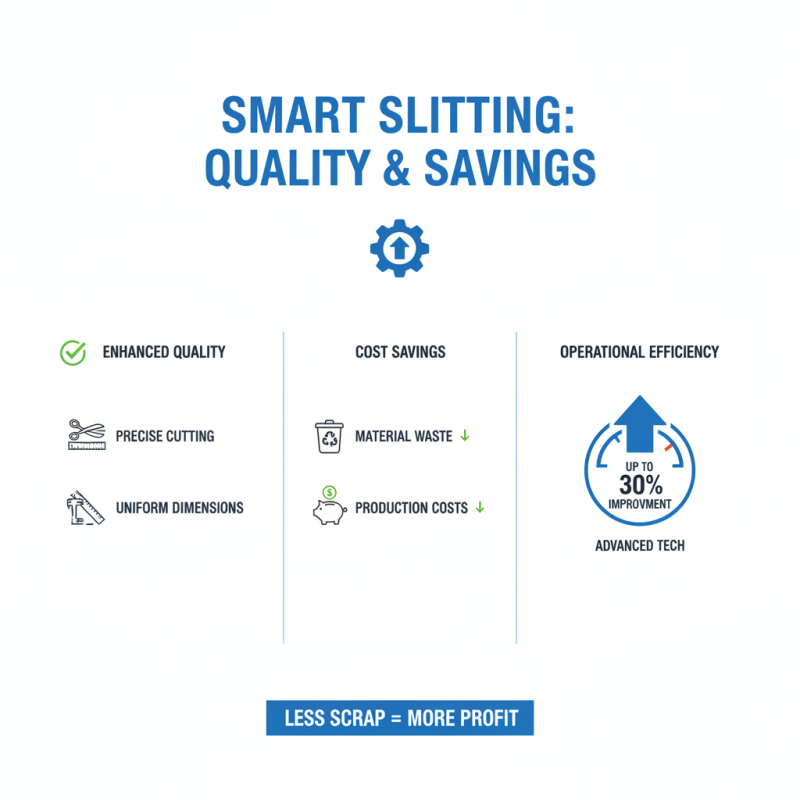
Efficient slitting processes play a crucial role in enhancing production quality and achieving significant cost savings in material processing industries. According to a recent industry report, organizations that adopt advanced slitting technologies can improve their operational efficiency by up to 30%. This efficiency boost is achieved through precise cutting techniques that minimize material waste and ensure uniform product dimensions. Reducing scrap not only conserves raw materials but also directly impacts the bottom line by lowering production costs.
Furthermore, high-quality slitting equipment leads to better end-product quality. A study published by the Manufacturing Technology Association indicates that improved slitting processes can enhance product integrity and consistency, ultimately resulting in higher customer satisfaction and retention rates. Companies utilizing these advanced solutions reported a 25% increase in customer satisfaction scores, directly correlated with improved product quality. Therefore, investing in efficient slitting technologies is not just about immediate cost savings; it also builds a strong reputation in the market, positioning companies for future growth.
Maintenance Tips for Enhancing the Longevity of Slitting Machines
Maintaining slitting machines is crucial for ensuring their longevity and optimal performance. Regular maintenance routines should include frequent inspections of key components such as blades, rollers, and electrical systems. Operators should be trained to identify signs of wear and tear, enabling them to address issues before they escalate. Keeping the equipment clean is also essential; accumulated debris can lead to operational inefficiencies and increase the risk of damage. Implementing a comprehensive cleaning schedule that focuses on removing dust and material residues will help sustain machine performance.
Furthermore, lubrication plays a vital role in the maintenance of slitting machines. Proper lubrication reduces friction between moving parts, thereby prolonging their life and improving efficiency. It is important to use the appropriate lubricants as recommended by the machine's manual, ensuring that all moving components are well-maintained. Additionally, adjusting the machine settings periodically to align with changing material specifications can help prevent unnecessary strain and enhance productivity. Through diligent maintenance practices, operators can extend the lifespan of slitting machines while achieving significant cost savings in material processing.
Best Slitting Equipment for Efficient Material Processing and Cost Savings - Maintenance Tips for Enhancing the Longevity of Slitting Machines
| Equipment Type |
Material Processed |
Cutting Width |
Operational Speed (m/min) |
Maintenance Frequency |
Average Cost ($) |
| Rotary Slitting Machine |
Paper, Plastic |
1-10 mm |
50 |
Monthly |
5,000 |
| Shear Slitting Machine |
Metal, Film |
10-100 mm |
30 |
Biannually |
10,000 |
| Score Slitting Machine |
Paper, Cardboard |
5-50 mm |
40 |
Quarterly |
7,500 |
| Laser Slitting Machine |
Plastic, Fabric |
1-20 mm |
70 |
Monthly |
15,000 |