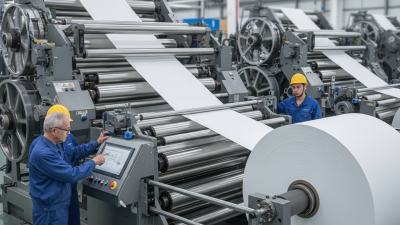
Why Choose a Paper Pulp Machine for Your Business Needs?
In the rapidly evolving landscape of manufacturing, selecting the right equipment is crucial for success. A Paper Pulp Machine stands out as a valuable asset for businesses. It transforms raw materials into pulp effectively. This process is not only efficient but also environmentally friendly. Companies are increasingly focusing on sustainability. The demand for recycled products is rising.
Investing in a Paper Pulp Machine can enhance production capabilities. It offers versatility by handling various materials. Businesses can create different paper products, catering to niche markets. This adaptability helps companies stay competitive. However, one must evaluate the initial costs and operational expenses. It’s essential to balance budget with long-term benefits.
Understanding the technology behind the Paper Pulp Machine is vital. Knowledge of its operation leads to better decision-making. Investing in training for staff can maximize efficiency. A well-informed team can troubleshoot issues effectively. Ultimately, a Paper Pulp Machine can propel businesses into a sustainable future. But the journey requires careful planning and reflection on current needs.

Benefits of Using a Paper Pulp Machine in Modern Industry
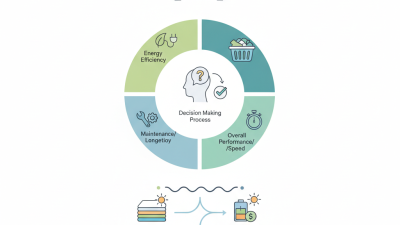
In the modern industrial landscape, paper pulp machines offer significant advantages for businesses. These machines streamline the production process by converting raw materials into pulp efficiently. According to a recent industry report, using advanced pulp machines can increase production efficiency by over 30%. This efficiency translates to lower operational costs and a reduced carbon footprint.
Utilizing a paper pulp machine also ensures better quality control. High-quality pulp leads to improved paper products, meeting the growing consumer demand for sustainable materials. A study from the Sustainable Forestry Initiative indicates that 60% of consumers prefer products made from eco-friendly materials. Therefore, investing in pulp machinery aligns your business with market trends.
Tip: Always assess the machine's energy consumption. High-efficiency machines may have higher upfront costs, but they usually pay off in energy savings over time.
Moreover, while these machines provide efficiency, they require careful monitoring. Regular maintenance helps prevent breakdowns and costly downtime. Overlooking maintenance can lead to decreased productivity and product quality.
Tip: Develop a routine maintenance schedule to optimize performance. This ensures consistent output, allowing you to meet customer demands effectively.
Benefits of Using a Paper Pulp Machine
Key Features to Consider When Selecting a Paper Pulp Machine
When selecting a paper pulp machine, several key features come into play. Understanding the process is crucial. A reliable machine should efficiently convert raw materials into pulp. Look for energy efficiency and production capacity. A high-capacity machine can save time and enhance productivity. These factors can significantly impact your business operations.
Another critical feature is ease of maintenance. Machines that require frequent repairs can disrupt production. Regular maintenance leads to cost savings in the long run. Additionally, user-friendly interfaces are essential. Operators need to easily monitor and control the machine. This minimizes errors and improves safety.
Pulp quality is equally important. High-quality pulp can meet customer standards. Machines that allow for precise adjustments can help achieve this. Consider the machine's technological advancements, too. Automation features can enhance efficiency, but they also require proper training. Balancing technology with user capability is vital. A careful evaluation of these features will lead to better decision-making.
Comparative Analysis: Paper Pulp Machines vs. Traditional Paper Production
When considering paper production, a paper pulp machine offers unique advantages over traditional methods. Traditional production involves numerous steps, which can be time-consuming and resource-intensive. Paper pulp machines streamline the process, converting raw materials into pulp more efficiently. They can reduce waste and energy consumption, making them a more sustainable choice for many businesses.
However, there are challenges to consider. The initial investment in a paper pulp machine can be significant. Additionally, the technology may require specialized training to operate effectively. Not every produce line may benefit equally from this transition. It’s crucial to evaluate production needs and potential ROI before making a decision.
In essence, businesses must weigh efficiency against cost and training hurdles. The advantages of a paper pulp machine can be compelling, but it’s not a one-size-fits-all solution. A thorough analysis of your specific context will determine if the shift is worth it.
Cost Efficiency of Paper Pulp Machines for Growing Businesses
Investing in a paper pulp machine can significantly enhance cost efficiency for growing businesses. These machines streamline the production process, reducing labor costs. With automated features, they often require less manual oversight, freeing up human resources for more strategic roles. This shift not only cuts expenses but also minimizes the risk of operational errors.
Moreover, choosing the right machine can lead to greater raw material utilization. Paper pulp machines can process various waste materials, converting them into valuable products. This capability decreases waste disposal costs while turning by-products into revenue-generating opportunities. Adopting such technology could allow for higher profit margins. The initial investment may seem daunting, but many businesses find the long-term savings justify the cost.
However, some businesses may struggle to adapt to new technologies. Employees may require training, which can temporarily disrupt operations. Resistance to change can also affect productivity. It’s crucial for management to consider these factors while adopting a paper pulp machine. Addressing these challenges head-on can help in reaping the full benefits of increased efficiency and reduced costs.
Sustainability and Environmental Impact of Paper Pulp Production
The paper pulp industry plays a significant role in sustainability. In 2020, the global paper pulp production reached 400 million metric tons, according to industry reports. This figure highlights the continuous demand for sustainable practices in this sector. Using recycled materials can reduce the environmental footprint. Approximately 70% of paper products can be made from recycled pulp. This recycling process conserves water and energy.
However, the environmental impact of pulp production also presents challenges. Traditional methods result in deforestation and habitat loss. In response, many manufacturers are adopting eco-friendly technologies. Innovations in pulping techniques can decrease emissions and lower energy consumption. For instance, optimized processes can cut energy use by up to 30% according to recent research.
Despite progress, the industry faces scrutiny. Some plants still rely heavily on fossil fuels. This inconsistency hampers efforts toward a circular economy. Stakeholders must continue improving resource management. As businesses look towards the future, sustainable practices in paper pulp production remain crucial. Embracing eco-friendly solutions can reshape the industry and support environmental goals.
Why Choose a Paper Pulp Machine for Your Business Needs? - Sustainability and Environmental Impact of Paper Pulp Production
| Dimension |
Description |
Impact |
| Energy Efficiency |
Utilizes less energy compared to traditional methods |
Reduced carbon footprint and operational costs |
| Water Usage |
Advanced filtration and recycling processes |
Minimal impact on local water resources |
| Waste By-products |
Production of biodegradable and recyclable waste |
Supports circular economy initiatives |
| Sourcing of Raw Materials |
Preference for sustainable, renewable resources |
Enhances biodiversity and forest regeneration |
| Manufacturing Process |
Integration of eco-friendly technologies |
Lower environmental impact during production |
| End Product |
High-quality, environmentally friendly paper products |
Promotes sustainable consumption among consumers |