How to Choose the Right Slitter Rewinder for Your Business Needs?
Selecting the right Slitter Rewinder can significantly impact production efficiency. Industry expert John Smith emphasizes, “Choosing the right equipment means maximizing productivity.” This statement resonates deeply among manufacturers looking to optimize their processes.
A Slitter Rewinder is vital for converting operations. Businesses need to consider several factors. Width, speed, and material compatibility are key. Each detail can affect the final output. A mismatch can lead to increased waste and downtime.
Understanding your specific needs often requires careful assessment. Popular features might not suit everyone. Personalizing equipment choices can be challenging. However, it is crucial for success in a competitive landscape. The journey to the ideal Slitter Rewinder demands both reflection and diligence.
Understanding Different Types of Slitter Rewinders Available in the Market
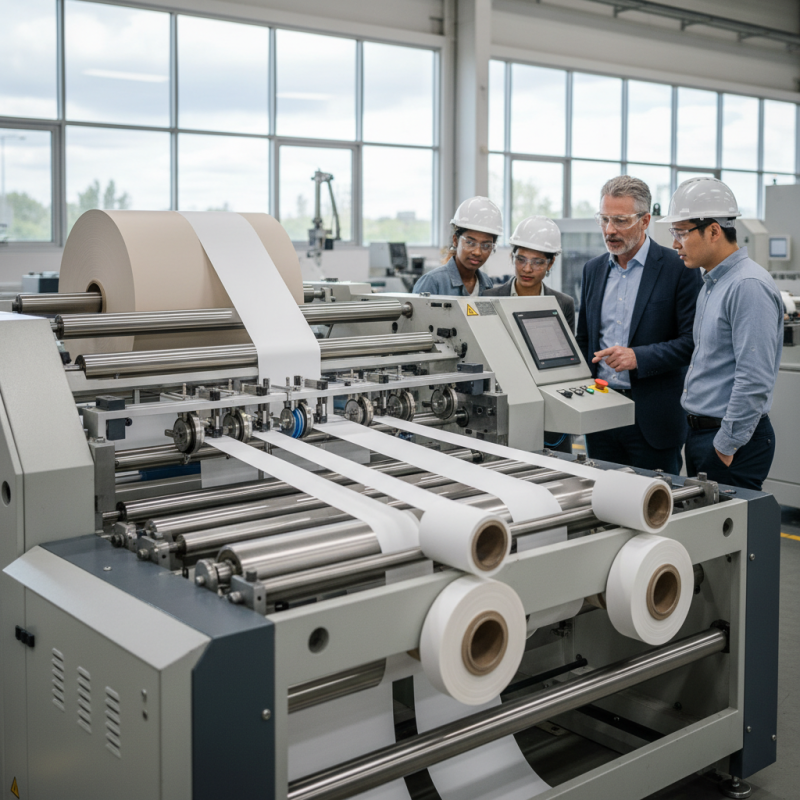
When choosing a slitter rewinder, understanding the different types available is crucial. Slitter rewinders vary in design and functionality, each serving specific needs. For instance, there are machine types like razor blade slitters, commonly used for thin films. These machines are known for precision and minimal waste. Recent industry reports indicate that up to 70% of companies prefer these for flexible packaging materials.
Another common type is the shear slitter. This option is ideal for thicker substrates, such as paper and cardboard. Shear slitters provide better control over the cut quality, making them popular in the printing industry. Industry data suggests that investment in shear slitters has risen by about 15% over the past few years, highlighting their growing importance.
However, not every machine will fit every operation. Some businesses may overlook factors like production speed or material compatibility. A poorly chosen slitter rewinder can lead to inefficiencies and increased costs. It's vital to assess your production volume and material types before making a decision. Often, companies must rethink their initial choices to better align equipment with their long-term goals.
Key Factors to Consider When Selecting a Slitter Rewinder
When selecting a slitter rewinder, several key factors should be considered. The type of material you work with is crucial. Different substrates, from paper to film, require specific cutting techniques. In a recent industry report,
70% of manufacturers reported that mismatched equipment led to increased waste and downtime. Efficient machinery minimizes these issues.
Speed is another essential element. A higher-speed slitter rewinder can enhance productivity. However, extreme speeds may compromise quality. This trade-off requires careful assessment. Not every business needs the fastest machine. Sometimes, slower machines yield better results. Flexibility is vital too. Your slitter rewinder should adapt to various tasks. Versatility can save significant costs by eliminating the need for multiple machines.
Consider the machine's maintenance requirements. Many businesses underestimate these aspects. Regular maintenance often prevents unexpected breakdowns. Studies suggest that
60% of production interruptions stem from neglecting upkeep. Inadequate maintenance can lead to costly repairs and inefficient operations. Reflecting on these points can lead to a better decision, aligning equipment choices with business needs.
Evaluating Production Volume and Material Compatibility
When selecting a slitter rewinder, evaluating production volume is essential. Many businesses underestimate their needs. According to industry reports, production volume can impact machine efficiency by up to 30%. If your output is high, consider machines that can handle larger volumes. A lack of capacity can lead to bottlenecks, reflecting poorly on delivery timelines.
Material compatibility is equally critical. Different materials react uniquely during slitting and rewinding. For instance, thin films require precision settings to avoid tears. Reports indicate a 15% increase in waste due to improper material handling. Analyze your materials deeply. Testing samples before purchasing can save costs later.
It's important to think about flexibility. Production demands may change. Investing in a machine that accommodates various substrates can prove beneficial. However, keep in mind the potential limitations in speed or efficiency when switching between materials. Striking a balance between performance and adaptability is a challenge many face. Your business deserves a solution that fits like a glove.
Assessing Maintenance Requirements and Support Services
When selecting a slitter rewinder, maintenance requirements and support services are vital. According to recent industry reports, up to 25% of operational downtime comes from inadequate maintenance. Regular checks are essential. This prevents small issues from becoming expensive repairs. Comprehensive service plans can save businesses both time and money.
Look for suppliers that offer training and support. A well-trained team can handle minor issues independently. This reduces reliance on external technicians. A lack of knowledge can lead to misuse. Consider the availability of spare parts too. Slow deliveries can prolong downtime.
Moreover, think about the usability of the machine. Complicated systems require skill. Simple interfaces can enhance productivity. Users can learn faster and adapt easily. This can lead to fewer mistakes. Keep in mind that even the best machinery needs care. Evaluating long-term costs is crucial. Investing in support services can lead to better performance.
How to Choose the Right Slitter Rewinder for Your Business Needs?
| Feature |
Option 1 |
Option 2 |
Option 3 |
| Maximum Slitting Speed |
300 m/min |
500 m/min |
700 m/min |
| Material Compatibility |
Paper, Film |
Foil, Non-Woven |
Composite Materials |
| User Interface |
Basic Control Panel |
Touchscreen Dashboard |
Advanced Automation with IoT |
| Maintenance Frequency |
Monthly |
Quarterly |
Semi-Annually |
| Support Services |
Email Support |
Phone and Email Support |
24/7 On-Site Support |
Cost Considerations and Budgeting for a Slitter Rewinder
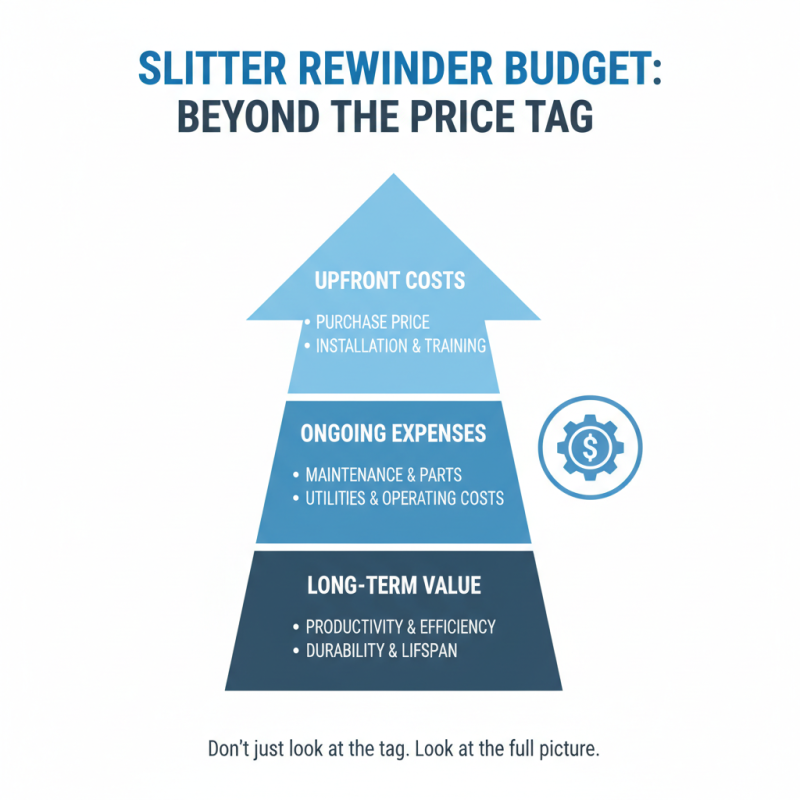
When budgeting for a slitter rewinder, consider both upfront costs and long-term expenses. The initial purchase price is just the start. Installation, training, and maintenance also add to your expenses. It’s easy to overlook these factors when you’re focused on the machine’s price tag.
Think about your production scale. A high-capacity machine may seem costly initially, but it could lead to lower cost-per-unit over time. Consider the potential savings from increased efficiency. Will the slitter rewinder meet your production needs for years to come? If not, you might need to spend again soon.
Maintenance costs are another critical aspect. Regular upkeep is necessary to avoid unexpected breakdowns. Neglecting maintenance can lead to costly repairs. Budget for skilled technicians or service contracts to keep your operations running smoothly. Reflect on your choices. Are you truly ending up with the best value?