How to Choose the Best Paper Trimmer for Your Needs?
Choosing the right Paper Trimmer can significantly enhance your crafting experience. As an industry expert, Linda Green, a well-known figure in the paper arts community, emphasizes, “A reliable Paper Trimmer is a game-changer for precision.” Selecting the best trimmer involves understanding your specific needs, such as the types of projects you tackle and the volume of paper you handle.
In the world of crafting and office supplies, Paper Trimmers come with various features, such as cutting length and blade types. Think about how often you will use the trimmer. Consider if portability is essential for you. A heavier model may provide stability but could be less practical for travel. The balance between functionality and convenience is crucial.
Many often overlook the importance of safety features. A trimmer that prioritizes user safety can prevent accidents, especially in busy environments. Reflect on whether you need a manual or an electronic model. Each option has its merits, so it's wise to weigh those against your personal preferences.
Types of Paper Trimmers and Their Specific Uses
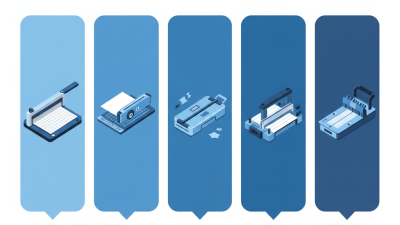
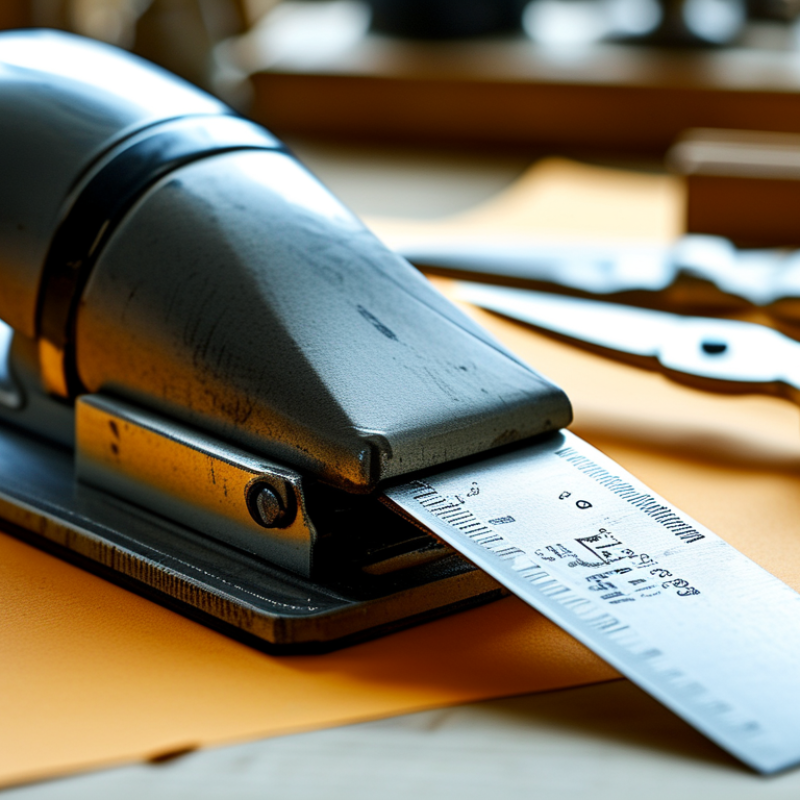
When selecting a paper trimmer, understanding the various types available is crucial. Each paper trimmer is designed for specific tasks, making it essential to choose the right one for your needs. There are mainly three types: rotary, guillotine, and straight-edge trimmers.
Rotary trimmers utilize a rotary blade that glides along a rail. This design allows for precise cuts, ideal for projects that require different cutting angles. Experts note that rotary trimmers are excellent for scrapbooking and photo trimming, as they minimize paper damage. According to a report by the Paper Cutting Equipment Association, rotary models have gained popularity, with a 25% increase in sales over the past year, reflecting their versatility.
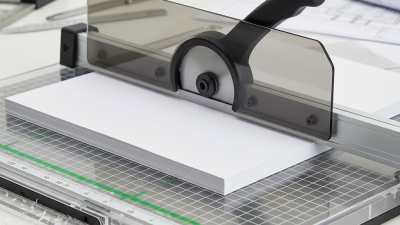
Guillotine trimmers are favored for their ability to slice through multiple sheets at once. They are efficient for bulk tasks, such as cutting down card stock or laminating sheets. However, they require careful handling due to safety concerns. Recent studies have shown that 30% of users experienced challenges in achieving perfectly straight cuts. Straight-edge trimmers, while less common, are beneficial for precise, straight cuts. They often appeal to those who prioritize accuracy over speed.
Knowing the specific use cases of each type helps avoid mistakes and disappointment. Take time to assess your cutting needs and choose wisely.
Key Features to Consider When Choosing a Paper Trimmer
When choosing the perfect paper trimmer, several key features hold significant weight. Cutting capacity is essential. Many trimmers can cut sheets of paper up to 12 inches wide, ideal for standard letter-sized sheets. Research shows that trimmers with a wider cutting width, often 18 inches or more, provide greater flexibility for larger projects. This can be crucial for businesses or artists who need versatility in their cutting tasks.
Another critical factor is the cutting mechanism. Rotary and guillotine trimmers each have their advantages. Rotary cutters are precise and reduce the risk of paper shifting during cuts. On the other hand, guillotine trimmers often deliver quicker cuts for bulk projects. According to data from industry professionals, accuracy is often ranked as one of the top three features desired by users, emphasizing the importance of this decision.
User-friendly features contribute to the overall effectiveness of a trimmer. Look for models with adjustable guides and locking mechanisms for safety. Many users report frustration with difficult-to-read measurement markings. Research indicates that the clarity of these markings can significantly impact cutting accuracy and user satisfaction. Prioritizing ease of use helps ensure a smoother experience, especially for those new to paper crafting.
Assessing Your Volume of Use and Project Requirements
When selecting a paper trimmer, understanding your volume of use is essential. For occasional projects, a basic model may suffice. However, frequent users, such as educators or small business owners, may benefit from a more robust design. A report from the Association of American Publishers states that around 50% of small businesses engage in regular paper cutting tasks. This illustrates the importance of choosing a trimmer that aligns with your specific needs.
Project requirements also play a key role. For tasks that involve diverse materials like cardstock or laminated sheets, a trimmer with advanced cutting capabilities will be necessary. According to a 2021 industry study, around 75% of users reported frustrations when their trimmers could not handle thicker media. Maintaining versatility is vital for efficiency and results, particularly if your projects vary greatly in scale and complexity.
The choice of paper trimmer is not solely technical. User experience informs decision-making. Factors like size, safety features, and ease of use should be considered. Anecdotal evidence suggests that many users face challenges when switching between different types of cuts. Addressing these requires careful examination of your own workflows and project patterns. Reflect on your frequent tasks and adapt your choice to enhance productivity and satisfaction.
Evaluating Budget Options for Paper Trimmers
When considering budget options for paper trimmers, it's essential to think about the features you truly need. A lower-priced trimmer may seem appealing, but it could lack durability or precision. Look for models with a sturdy base and sharp blades. This combination ensures that your cuts will remain clean and accurate over time.
Analyzing different price ranges helps you understand what’s available. Inexpensive trimmers often have limited functionality. They might be sufficient for occasional use or small projects. However, if you’re working on bigger tasks, investing a bit more can make a significant difference. Sometimes, spending a little more upfront can save time and frustration later.
Do not overlook the user reviews. Feedback from others offers valuable insights into performance. You might encounter products that sound good but fall short in real-life applications. Be cautious of overly positive reviews; they may not present a complete picture. Everyone has different needs, and what works for one person might not work for another. Taking time to think critically about your options will pay off in the long run.
Comparison of Paper Trimmer Types Based on Price and Popularity
Comparing Brand Reliability and Customer Reviews
When selecting a paper trimmer, understanding brand reliability is crucial. Many professionals rely on customer reviews as a primary source of information. According to a recent industry report, approximately 78% of buyers check reviews before purchasing. They prioritize user feedback, which often highlights the durability and precision of the equipment.
Research has shown that trimmers with higher customer satisfaction often have lower return rates. Data indicates that models with a rating above 4.5 stars have a return rate of only 5%. User experiences often reveal strengths and weaknesses in specific features. For instance, some users praise ease of use while others might find safety features lacking. This dichotomy is essential when weighing options.
Additionally, examining the frequency of customer complaints can provide insight into reliability. Brands with consistent issues may signal red flags. In contrast, those with an engaged customer service response tend to build a loyal following. This engagement often reflects commitment to quality and user satisfaction, crucial factors in making an informed choice.