How to Choose the Right Kraft Paper Machine for Your Production Needs?
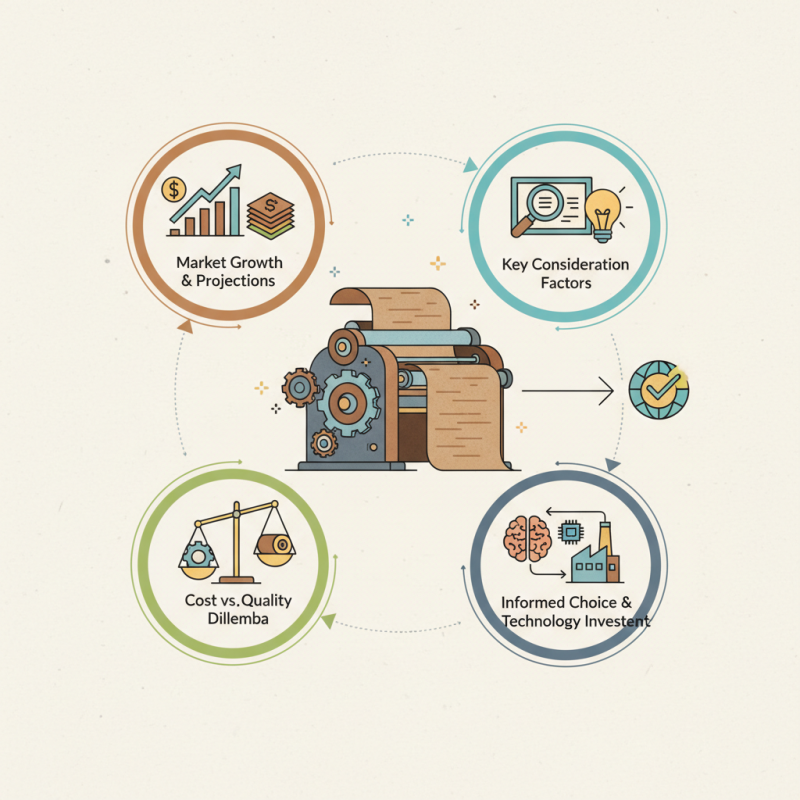
Choosing the right Kraft Paper Machine is crucial for manufacturers. In recent years, the kraft paper market has experienced significant growth. According to a report by IBISWorld, the kraft paper industry is projected to reach $20 billion by 2025. This growth highlights the importance of selecting the appropriate machinery for production needs.
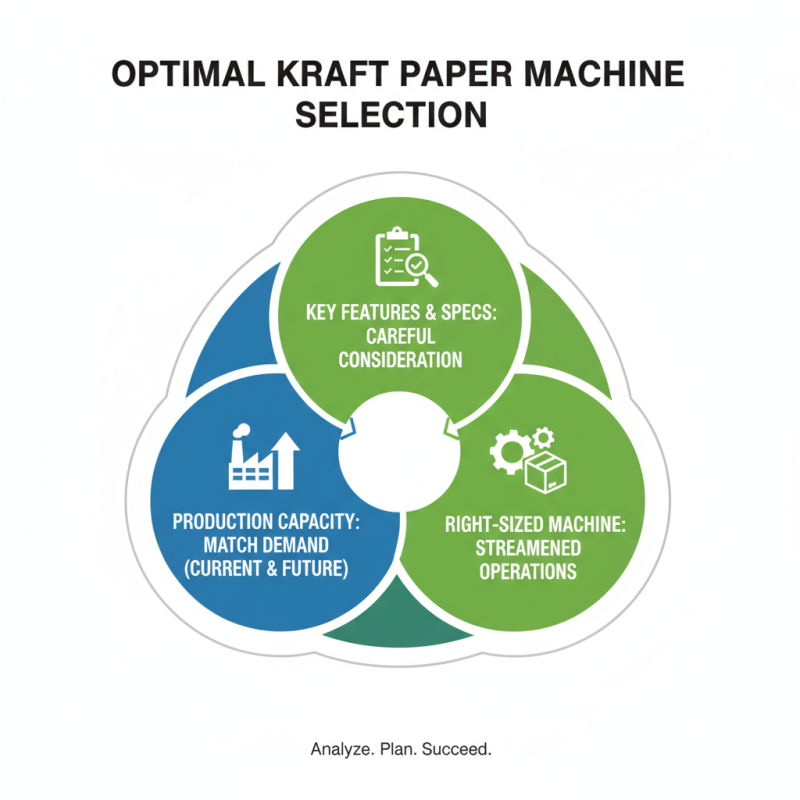
Dr. Emily Chen, a recognized expert in paper manufacturing technology, states, "Investing in the right Kraft Paper Machine can make or break a company’s efficiency and output." This highlights the need for careful consideration. Factors like production capacity, quality, and energy efficiency are vital. Manufacturers face a dilemma in balancing cost and quality.
Making an informed choice requires understanding specifications and market trends. It's easy to overlook important details in this complex decision-making process. Investing in advanced technology could lead to better product quality. However, misalignment with production goals may result in wasted resources. Thus, assessing all angles is essential for success.
Understanding the Different Types of Kraft Paper Machines Available
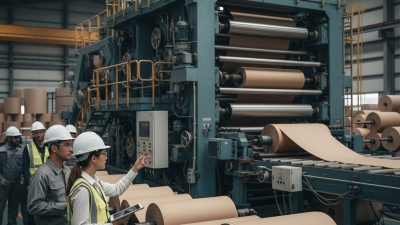
When selecting a kraft paper machine, understanding the different types available is crucial. There are several types, each serving specific production needs. The conventional flat kraft paper machine is ideal for general applications, producing standard grades of kraft paper. This machine offers versatility and is easy to operate. A multi-layer machine, on the other hand, can create high-strength paper. It combines various layers to enhance performance, catering to businesses with specialized demands.
Consider your production volume. If you have high output needs, a high-capacity machine might be fitting. Or, if you produce smaller quantities, a more compact option could suffice. Focus on efficiency and output quality when assessing your choices. Prioritizing durability in the machine is essential as well.
**Tip:** Assess your current and future production needs before making a decision. Think about flexibility in your production process too.
One must also consider energy consumption. Efficient machines can significantly reduce operational costs. Reliable suppliers often provide energy-efficient options that align with environmental standards. Prioritize machines that come with strong warranties. This contributes to long-term reliability and decreases unexpected repair costs.
**Tip:** Always read user reviews to gauge machine performance in real-world conditions.
Production Capacity of Different Types of Kraft Paper Machines
Evaluating Your Production Capacity and Demand Requirements
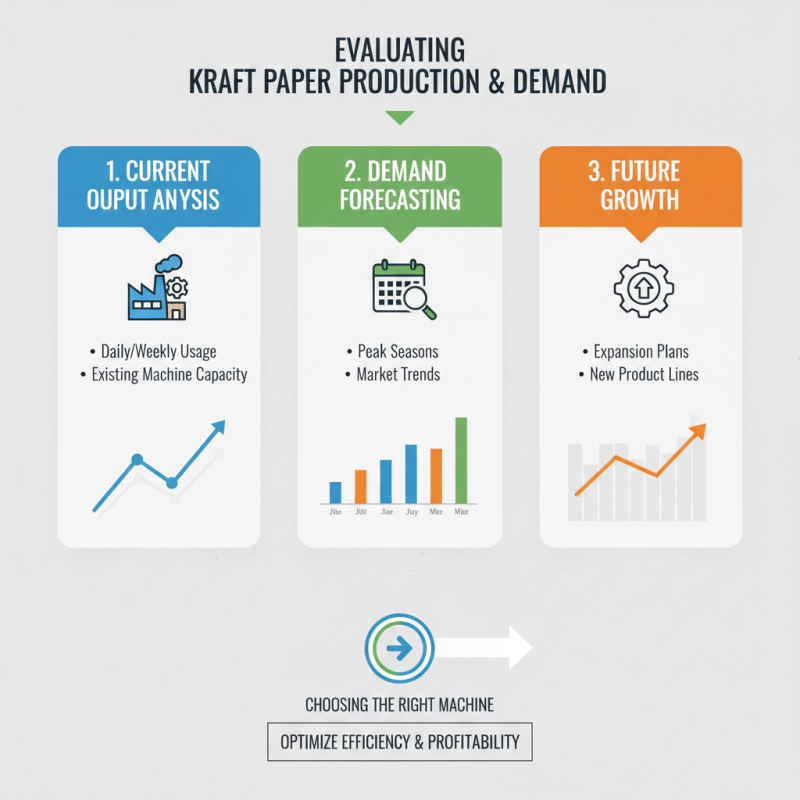
When choosing the right Kraft paper machine, evaluating your production capacity and demand is crucial. Start by analyzing your current output. Consider how much Kraft paper you use daily or weekly. Identify peak seasons for demand. Will your production needs change over time?
Tips: Calculate your average monthly demand accurately. Factor in potential growth. It’s also wise to have a buffer for unexpected increases.
Next, assess the machine's efficiency. A machine that produces more output might save costs over time. However, ensure it suits your specific needs. More speed isn't always better if quality suffers. Sometimes, a slower machine with better precision is the way to go.
Tips: Research various machine specifications. Pay attention to production rates and energy consumption. Ask for performance data from multiple users.
Lastly, don't forget maintenance requirements. Machines can break down, affecting output. Assess the support and parts availability locally. Reflect on your team's skill level in operating and fixing the equipment. Finding the right balance between capability and reliability can streamline your operations.
Considerations for Cost, Maintenance, and Energy Efficiency
When selecting a Kraft paper machine, cost is a critical factor.
Initial investment costs can vary widely. Cheaper machines may not offer high-quality output or durability.
Consider your budget carefully. Look for a balance between price and performance.
Long-term savings can outweigh upfront costs.
Maintenance is another key consideration.
Regular maintenance can prevent costly repairs. Some machines may require more frequent servicing.
Assess the ease of access to components. Simple maintenance schedules can save time and money.
Investing in a machine with lower maintenance needs could lead to greater efficiency in the long run.
Energy efficiency is vital in today’s production environments.
A machine that consumes less energy can significantly lower operational costs.
Look for energy ratings and technologies that promote lower consumption.
Evaluate how energy-efficient designs impact your overall production.
A well-chosen machine can boost profitability while minimizing environmental impact.
Finding Reliable Manufacturers and Suppliers for Your Kraft Paper Machine
When searching for a kraft paper machine, reliable manufacturers and suppliers are crucial. Start by evaluating potential partners based on industry experience. Companies with a strong track record often offer superior technology and customer support. Look for manufacturers that have been in the industry for several years. Experience often correlates with reliability and quality.
Attend industry trade shows or forums to meet suppliers in person. Interacting face-to-face allows you to gauge their expertise and commitment. Ask for references and don’t hesitate to contact them. Established suppliers usually have a portfolio of satisfied clients. This can provide insights into their work quality and service level.
Online research is also helpful. Review manufacturer ratings, testimonials, and case studies. However, be cautious about online claims; they might not always tell the full story. Balance your research with direct communication. It’s important to ask about warranties, after-sales service, and machine specifications. Thoroughly vetting potential suppliers can help prevent costly mistakes down the line.
How to Choose the Right Kraft Paper Machine for Your Production Needs?
| Machine Type |
Production Capacity (Tons/Day) |
Energy Consumption (kWh/Ton) |
Paper Quality |
Price Range (USD) |
| Kraft Paper Machine A |
30 |
200 |
High Strength |
$150,000 - $200,000 |
| Kraft Paper Machine B |
25 |
180 |
Medium Strength |
$100,000 - $150,000 |
| Kraft Paper Machine C |
20 |
220 |
High Quality |
$120,000 - $170,000 |
| Kraft Paper Machine D |
35 |
210 |
Premium Quality |
$180,000 - $250,000 |