What is a Copy Paper Machine and How Does it Work?
The Copy Paper Machine plays a crucial role in the paper industry. This machine produces a high volume of copy paper used in offices and schools worldwide. In 2022, the global demand for copy paper reached over 40 million tons. The efficiency of Copy Paper Machines is essential to meet this need.
These machines work through a series of processes. They transform wood pulp into the final paper product. However, many machines struggle with energy consumption. Reports show that about 30% of operational costs come from energy use alone. This calls for improvements in technology and sustainable practices.
While the market for copy paper is stable, challenges remain. Environmental concerns are rising. Many consumers prefer eco-friendly paper options. Therefore, manufacturers must adapt. The industry must reflect on how to innovate the Copy Paper Machine for a sustainable future. Balancing quality, cost, and ecological impact is essential for success.
What is a Copy Paper Machine?
A copy paper machine is a sophisticated device designed for producing paper sheets suitable for various printing and copying needs. These machines operate through a complex series of processes, which begin with converting wood pulp into usable paper. According to the International Paper Association, approximately 420 million tons of paper are produced globally each year. This highlights a significant volume that reflects the importance of efficient paper manufacturing systems.
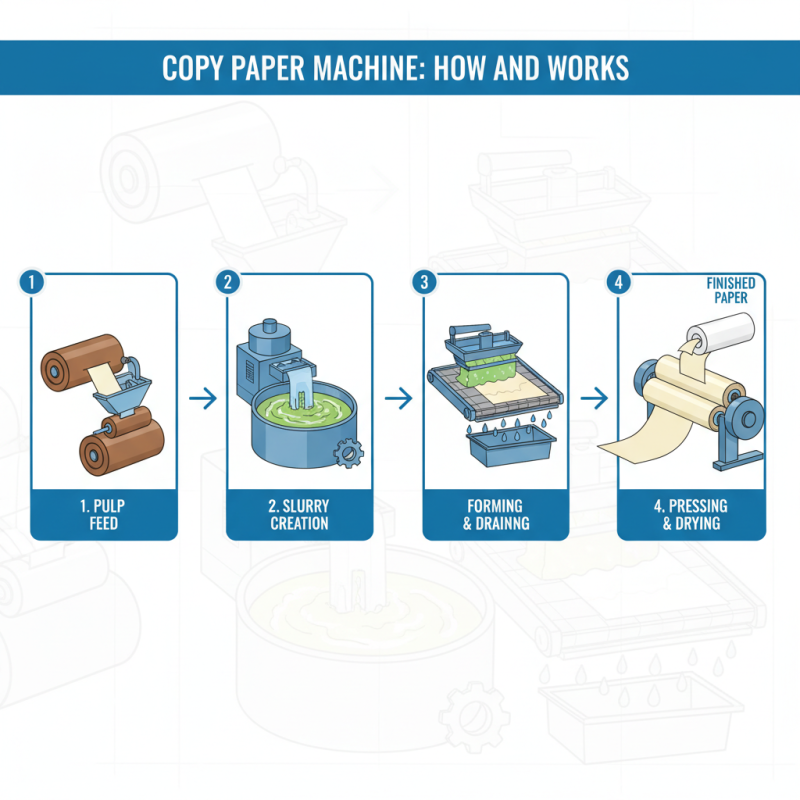
The process involves several key stages. First, raw materials are pulped and mixed with water. This slurry is then spread onto a flat surface to form a uniform layer. The water is removed, and the sheets are dried under heat and pressure. Notably, around 60% of the energy consumed in this process is used for drying the paper, showcasing room for improvement in energy efficiency and sustainability. Wrinkles and inconsistencies can often occur during production, which indicates a need for careful calibration and monitoring of machinery settings.
In addition to the technical aspects, the environmental impact of copy paper machines cannot be ignored. The production process can contribute to significant carbon emissions. Some reports suggest that the production of one ton of paper can create up to 1.5 tons of carbon dioxide. This raises questions about the balance between paper demand and sustainable practices. Being aware of the potential pitfalls helps manufacturers strive for innovation and improvements.
Key Components of a Copy Paper Machine
A copy paper machine is an intricate system that transforms raw materials into paper sheets. Understanding its key components is essential to appreciate the manufacturing process. One crucial element is the pulper, which processes wood chips or recycled paper. It breaks down fibers and prepares them for forming sheets.
The machine's forming section is where the
magic happens. Here, a slurry of fibers is spread onto a moving mesh. Water drains away, leaving behind a sheet of wet paper that is initially fragile and damp. The next step involves pressing the sheet to remove excess water. This section often has multiple rollers applying pressure to ensure
uniform thickness.
Drying comes next. Hot air blows through the sheets, removing remaining moisture. At this stage,
quality control becomes vital. Imperfections can arise in thickness or texture. Operators must constantly monitor these factors to ensure that the final product meets standards. It's a reminder that even a well-oiled machine can produce flaws that require reflection and improvement.
The Manufacturing Process of Copy Paper
The manufacturing process of copy paper begins with high-quality wood pulp. This pulp is produced from both virgin and recycled fibers. According to industry data, over 80% of copy paper is made from recycled materials. This helps reduce waste and save trees.
Once the pulp is ready, it undergoes refining. This process involves beating the pulp to enhance fiber interaction. After refining, the pulp is mixed with water to create a slurry. The slurry is then poured onto a conveyor belt. Here, excess water is drained, and the sheet begins to form. This step is crucial for achieving the right thickness and texture.
When the paper sheet is formed, it is pressed and dried. It travels through heated rollers to remove moisture. Interestingly, many facilities still face challenges with uneven drying. This results in slight variations in the final product. Maintaining consistent quality is a constant work in progress.
Tips: Monitor the quality of raw materials closely. Small changes in fiber type can affect the final product. Regular maintenance of machinery is essential. It can prevent unexpected downtimes and improve efficiency. Always be open to feedback for continuous improvement.
Annual Production Capacity of Copy Paper Machines (in tons)
How the Copy Paper Machine Operates
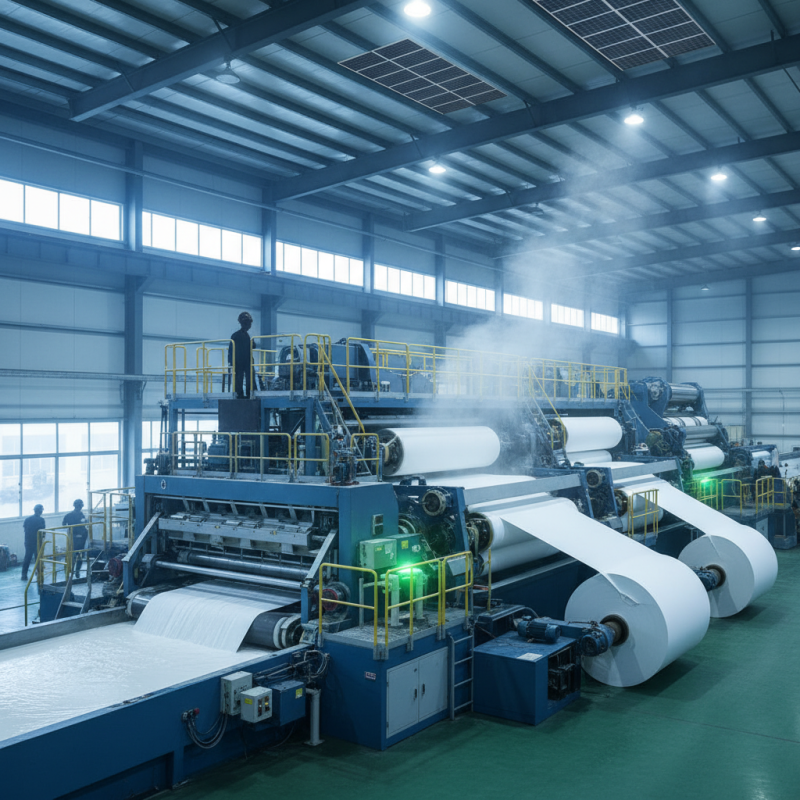
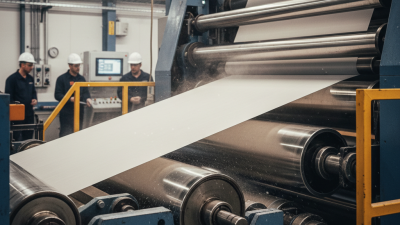
Understanding how a copy paper machine operates reveals the intricate processes involved in paper production. The machine begins with large rolls of pulp, which are fed into a hydraulic system. This system converts pulp into a slurry, ensuring a consistent texture. The slurry then moves to a forming section where it’s spread evenly on a moving wire mesh. Water drains away, leaving behind a thin layer that will become paper.
As the layer moves along the machine, it passes through several drying sections. Hot air removes remaining moisture. This step requires careful control; excessive heat can damage the paper. Operators often monitor temperature levels closely, which can be challenging. Once dried, the paper is pressed and rolled into large sheets. Operators check for flaws during this stage. Small defects can lead to significant issues later.
Finally, the paper is cut and packaged for distribution. Despite automation, human oversight is crucial. Errors can occur during the cutting process. Operators need to ensure precision. This machine operates like a well-oiled system, yet imperfections are part of the journey. Each stage presents opportunities for improvement. The challenge lies in balancing efficiency and quality.
Common Applications and Uses of Copy Paper
Copy paper is essential in many environments. Offices, schools, and printing shops are just a few places where it is commonly used. The process of copying and printing requires quality paper that can withstand heat and pressure. This ensures that text and images appear clean and clear.
In offices, copy paper is used for reports, memos, and presentations. It serves as a blank canvas for creativity and communication. Schools rely on it for assignments, worksheets, and projects. Students often find themselves printing multiple pages for research papers. Sometimes, they forget to check their margins or font sizes, leading to wasted paper.
Printing shops utilize copy paper for mass production runs. They create flyers, brochures, and booklets for various clients. However, the demand can lead to excess waste if not managed properly. A balance must be struck between quality and quantity. Using leftover paper for drafts or notes can help reduce waste.
What is a Copy Paper Machine and How Does it Work? - Common Applications and Uses of Copy Paper
| Feature |
Description |
| Machine Type |
Roll Paper Machine |
| Production Capacity |
300-600 meters per minute |
| Paper Weight |
70 to 90 gsm |
| Common Applications |
Office printing, schools, home use, and business documents |
| Uses in Industry |
Publishing, advertising, governmental documentation |
| Eco-Friendly Options |
Recycled paper and sustainable sourcing practices |
| Market Trends |
Increasing demand for digital copies, yet steady use in traditional business settings |