Top 10 Paper Machine Types You Should Know About?
When exploring the world of paper production, understanding various Paper Machine types is essential. Each type has unique characteristics and applications. In this article, we will dive into the top ten Paper Machine types that you should know about. Knowing the differences can guide manufacturers in choosing the right machine for their needs.
The Paper Machine plays a crucial role in the manufacturing process. From pulping to drying, it transforms raw materials into usable paper. Different types cater to different paper grades, thicknesses, and finishes. It’s intriguing how the choice of a specific Paper Machine impacts productivity. However, selecting the right machine can also be daunting. There are many factors to consider, including cost and efficiency.
Many manufacturers face challenges in understanding which Paper Machine suits their production line best. These decisions can lead to costly mistakes. It's important to reflect on the long-term implications of these choices. The journey into the different types of Paper Machines can reveal much about the paper industry itself. Let’s explore these essential machines together.
Overview of Paper Machine Types
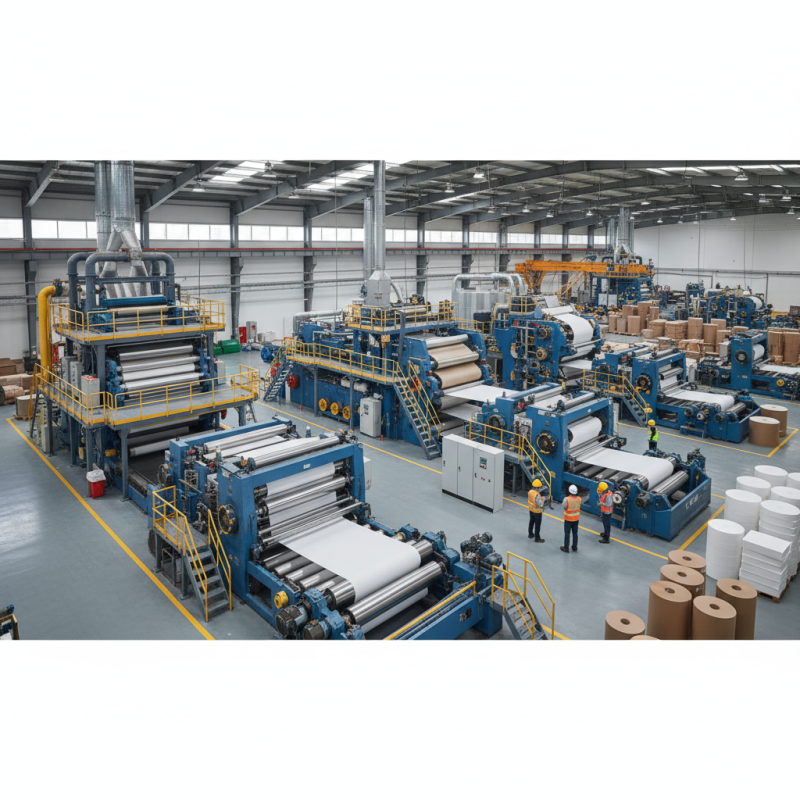
When exploring the world of paper manufacturing, understanding the different types of paper machines is crucial. A recent industry report highlights that there are over ten distinct paper machine types, each serving unique purposes. From conventional to specialized machines, their designs greatly influence the quality and efficiency of production.
For instance, the Fourdrinier machine remains the most common type. It accounts for about 60% of all paper production globally. This machine allows for the continuous formation of paper sheets. Meanwhile, the Twin-Wire machine is gaining popularity because of its capacity to produce lightweight paper. It offers a remarkable efficiency, but it requires substantial investment, which can be a hurdle for smaller manufacturers.
Moreover, as sustainability becomes a pressing concern, machines like the deinking paper machine are increasingly relevant. They recycle used paper and help reduce waste. However, these machines often struggle with quality control, leading to inconsistent end products. The industry still grapples with finding the right balance between innovation and reliability. Understanding these nuances in machine types helps manufacturers navigate challenges effectively.
Top 10 Paper Machine Types
Key Features of Fourdrinier Paper Machines
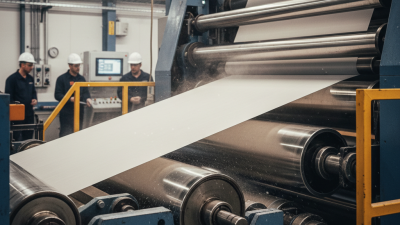
Fourdrinier paper machines are essential in modern papermaking. They have unique features that distinguish them from other types. The flat wire section allows slurry to spread evenly, forming a uniform sheet. At the wet end, a fourdrinier wire transports the pulp. This wire is crucial for determining paper quality.
These machines utilize gravity and suction to remove water efficiently. The forming section is crucial for sheet formation. Here, the pulp mat gradually becomes a continuous sheet. The press section then removes additional moisture, increasing dryness before drying.
Despite their utility, Fourdrinier machines can face challenges. Maintenance issues may arise unexpectedly. Operators must remain vigilant to ensure smooth operation. Additionally, variations in pulp composition can affect the final product. Inconsistent quality may lead to production waste. Addressing these imperfections is part of the process.
Understanding the Designs of Cylinder Machines
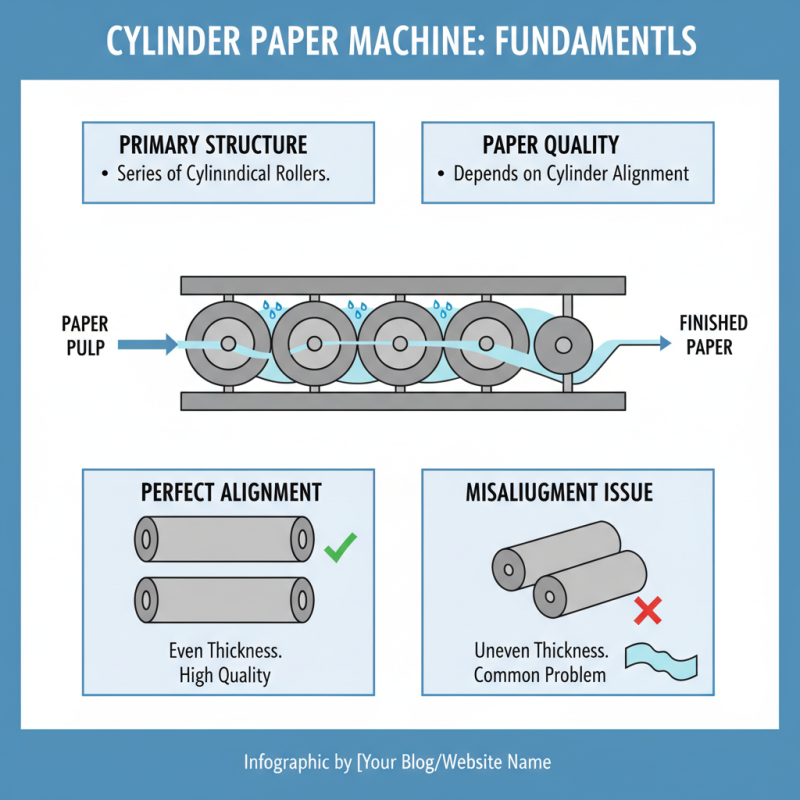
In understanding the designs of cylinder machines, one must appreciate their fundamental structure. These machines primarily consist of a series of cylindrical rollers. The consistency and quality of the paper often depend on how well these cylinders are aligned. Misalignment is a common issue. Even slight deviations can lead to uneven paper thickness.
Each cylinder may serve a specific function, such as pressing or drying. A crucial detail is the material used for these rollers. Some are made of steel while others may be covered with rubber. The choice greatly impacts the texture and finish of the paper. Users often overlook this point, yet it can dictate the end product’s quality.
Design variations exist among different cylinder machines. Certain models may have wider cylinders, accommodating larger sheets. Some may have advanced technology to control temperature and pressure. However, such advancements do not always guarantee better results. It’s essential for manufacturers to assess their needs and processes. There is always room for improvement and adaptation in paper production methods.
The Role of Gap Machines in Paper Production
Gap machines play a crucial role in the paper manufacturing process. They help to control the dimensions and consistency of the paper sheet. This is essential in achieving high-quality products. According to a report by Smithers Pira, around 30% of paper production errors can be traced back to inconsistencies during the wet end process. This highlights the importance of gap machines.
These machines adjust the size of the gap between the forming wire and the nip roll. This gap influences the dewatering process. A narrow gap can lead to better sheet formation but might cause issues like high friction. Conversely, a wider gap can improve flow but risks poor sheet consistency. Finding the ideal balance can be challenging. Manufacturers often struggle with these adjustments. Data from the Paper and Forest Products Technical Association shows that optimizing gap settings can increase efficiency by 15%.
When implemented correctly, gap machines can minimize waste and improve product quality. However, mismanagement can result in increased energy consumption and reduced output. Continuous monitoring and tweaking are necessary. Operators must be trained to understand the implications of gap settings. Investing in advanced technologies is crucial for staying competitive. In an industry where margins are tight, every detail counts.
Innovations in Specialty Paper Machines
Innovations in specialty paper machines are transforming the industry. With the global demand for products like tissue, craft, and coated papers rising, manufacturers are investing in advanced technology. According to a recent report by Smithers Pira, the specialty paper market is projected to grow by 3.5% annually, reaching $25 billion by 2025. This growth is driven by the unique features these machines can provide.
New designs allow for greater customization and efficiency. For instance, shorter production cycles and better energy efficiency are crucial. Many machines now use digital controls, enhancing precision. However, there are challenges. Not all manufacturers adopt these innovations swiftly, leading to uneven production capabilities. Some lag behind in adopting sustainable practices, which is increasingly essential to meet consumer and regulatory demands.
Moreover, the integration of automation raises questions. While it improves output, it also demands a skilled workforce. Training programs need to evolve alongside machines. There’s a need for balance between cutting-edge technology and human expertise. Continuous improvement is vital, as the industry cannot afford complacency.