How to Choose the Best Slitter Rewinder for Your Needs?
In the world of manufacturing, having the right equipment is crucial. This is especially true when it comes to the selection of a Slitter Rewinder. According to industry expert John H. Miller, "A well-chosen Slitter Rewinder can significantly increase production efficiency and reduce waste." His insights underline the importance of making the right decision in this area.
Selecting a Slitter Rewinder requires careful consideration of various factors. The machine’s specifications should align with your production needs. For instance, factors such as web width, material compatibility, and cutting precision need thorough evaluation. Understanding these details can empower businesses to avoid costly mistakes.
Moreover, it’s essential to reflect on the complexities involved in the decision-making process. Not all Slitter Rewinders are created equal. Some might offer features that sound impressive but may not suit your actual requirements. Taking the time to analyze and consult with experts can provide different perspectives that enhance your understanding. The goal is to ensure that your choice aligns with both your immediate needs and long-term production goals.
Understanding Slitter Rewinders: Basic Concepts and Functions
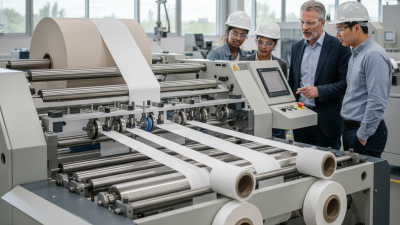
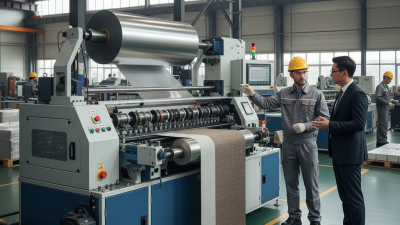
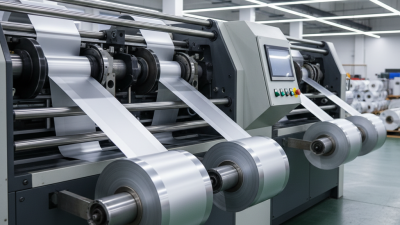
Understanding slitter rewinders is essential for industries dealing with flexible materials. These machines cut large rolls of material into narrower widths and then rewind them. They are primarily used in packaging, labels, and textiles. According to recent industry reports, the global slitter rewinder market is expected to grow significantly, driven by advances in automation and efficiency. This growth highlights the importance of selecting the right equipment to optimize production processes.
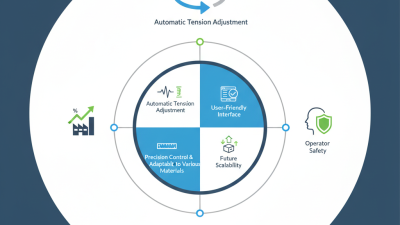
When choosing a slitter rewinder, consider the material types you will use. Different slitter rewinders handle various substrates, from paper to film. Quality machines offer precision cutting and consistent tension control, which can drastically impact the end product. Reports indicate that improper tension can lead to web breakage and waste. Therefore, evaluating your production needs and materials is crucial.
It is also vital to assess the machine's features. Look for automation capabilities, user-friendly interfaces, and maintenance requirements. Some machines may require more frequent upkeep than others, impacting downtime. Investing in a reliable model may lead to savings in the long run. Finding a balance between cost and functionality can be a challenge. Always engage with industry experts or seek peer recommendations before making a decision.
How to Choose the Best Slitter Rewinder for Your Needs?
| Feature |
Description |
Importance Level |
| Width Capacity |
The maximum width of material the slitter can handle. |
High |
| Roll Diameter |
The maximum diameter of the rolls that can be used. |
Medium |
| Speed |
The operational speed of the slitter rewinder in meters per minute. |
High |
| Ease of Use |
User-friendly interface and controls to operate the machine. |
Medium |
| Material Compatibility |
Types of materials (like films, papers, and foils) that can be processed. |
High |
| Precision |
Accuracy in slitting with minimal tolerance errors. |
High |
| Price |
Overall cost of the slitter rewinder, including maintenance. |
Medium |
Types of Slitter Rewinders: Which One Suits Your Material?
When selecting a slitter rewinder, understanding the different types available is crucial. Each type is designed for specific materials and applications. For instance, a shear slitter is ideal for precision cuts on thicker materials. It utilizes a pair of circular blades to achieve clean edges. This type is suitable for films and non-woven products, where accuracy is essential.
On the other hand, a score slitter may serve well for thinner materials. It employs a knife that scores the surface before separating the material. This can be effective for paper and lighter films. Choosing the wrong type could lead to material waste or compromised quality. Reflecting on your material’s thickness and desired precision will guide you toward the best option.
Each slitter rewinder type has its strengths and weaknesses. Understanding them requires experience in the industry. Not every machine will fit every application. For example, opting for a shear slitter when working with delicate materials could lead to tears. Take time to analyze your specific needs before making a decision. Balancing efficiency and material compatibility is vital for optimal results. Be mindful to weigh both the costs and benefits of each type.
Key Features to Evaluate When Choosing a Slitter Rewinder
When selecting a slitter rewinder, it is essential to evaluate key features that directly impact efficiency and performance.
First, consider the machine's speed. A faster rewinder can significantly enhance productivity. Look for models that offer
adjustable speeds. This flexibility allows you to adapt to different materials or production runs.
Another crucial feature is the core diameter adjustment. Some projects may require larger cores, while others need smaller ones.
A rewinder that accommodates various sizes can save time and reduce the need for extra equipment. Also, pay attention to the
slitting accuracy. An accurate slitter minimizes waste and ensures better quality control.
Maintaining equipment can be a hassle. Choose a rewinder with straightforward maintenance requirements. Easy access to components
facilitates quick repairs and reduces downtime. This can be particularly beneficial for high-volume production environments.
Think about materials too. Different slitter rewinders cater to different types. Ensure the model you're considering is suitable
for the substrates you plan to work with. Sometimes, the best machine may not be the one with all the bells and whistles.
Reflect on your specific needs and consult experts when in doubt.
Assessing Your Production Needs: Speed, Size, and Capacity Requirements
Choosing the right slitter rewinder involves careful assessment of your production needs. Speed is a critical factor; determine the volume of material you need to process daily. A machine that runs at higher speeds is essential for larger operations, but it can come with high downtime. Evaluate if your production can really benefit from that speed.
Size considerations cannot be overlooked. Ensure the slitter rewinder can handle the dimensions of your materials. Too small machines may lead to inefficiencies. On the other hand, larger machines may take up unnecessary floor space. Ask yourself: will you frequently change the size of materials?
Capacity requirements matter too. Understand how much material you need to produce in a given time frame. If your production fluctuates, consider machines with adjustable capacities. This adds flexibility but can complicate operations. Reflect on your current and future needs.
Think about maintenance issues as well. Advanced machines might require specialized training, increasing costs. Simpler machines are easier to operate but may not keep pace with your demands. Balancing ease of use with performance is vital for avoiding operational hiccups.
Budget Considerations: Balancing Cost with Performance and Quality
When selecting a slitter rewinder, budget considerations play a crucial role. Many businesses often equate cost with quality, but this isn't always accurate. A cheaper machine might save money upfront but could lead to higher maintenance costs later. It's important to weigh the initial expense against the long-term performance and reliability of the equipment.
Investing in a machine with quality features can prevent breakdowns that disrupt production. Look for models that offer durability and efficiency. Sometimes, the most expensive options don’t guarantee the best performance. It’s common to find machines that excel in specific tasks while remaining budget-friendly. Understanding your specific needs is essential before making a decision.
Technical specifications can be overwhelming. Parameters like speed, precision, and ease of operation should be prioritized according to your production requirements. Gathering feedback from industry professionals can provide valuable insights. Even minor adjustments in your selection process can significantly impact your operation’s bottom line. Balancing cost with performance is not just about numbers; it's about getting it right for your unique situation.