Top 10 Slitting Equipment Options for Efficient Material Processing?
In today’s fast-paced industrial landscape, the choice of slitting equipment plays a crucial role in material processing efficiency. According to a recent report by Smithers Pira, the global market for slitting technology is expected to reach $1.5 billion by 2025. This growth reflects the increasing demand for precision in various sectors, including automotive, packaging, and electronics.
Selecting the right slitting equipment can significantly impact production efficiency. Inefficient machinery can lead to material wastage and increased operational costs. For instance, improper alignment in slitting setups can result in excessive scrap and downtime. While many options exist, understanding their capabilities and limitations is essential for making informed decisions.
Moreover, advanced slitting equipment, such as those equipped with automated controls, enhances consistency and reduces human error. However, the initial investment may deter smaller businesses. It is vital to weigh the long-term benefits against upfront costs. This examination will guide manufacturers in choosing effective slitting solutions tailored to their unique processing needs.
Understanding Slitting Equipment and Its Importance in Material Processing
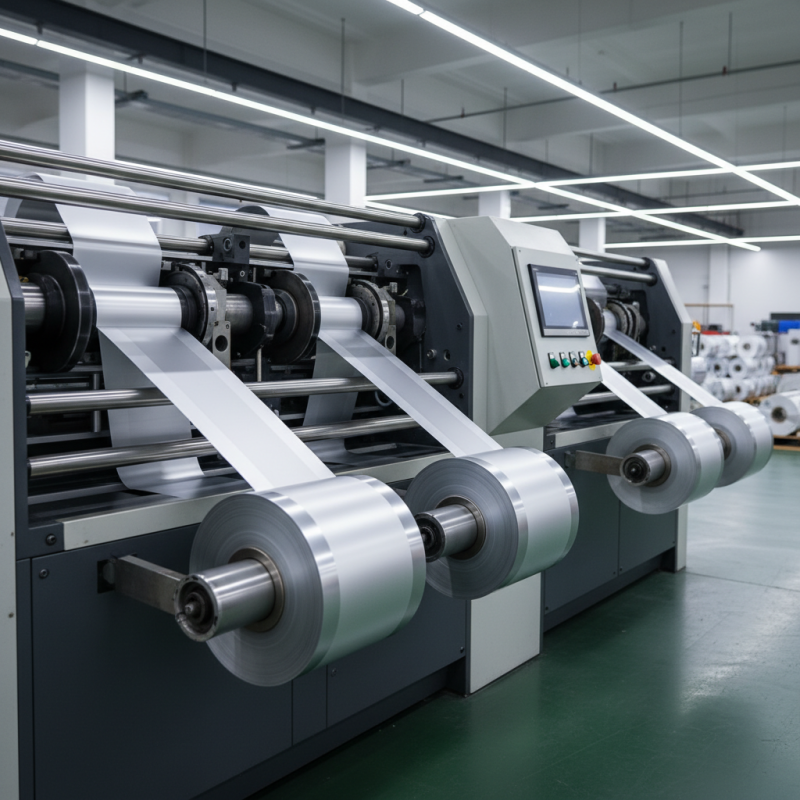
Slitting equipment plays a crucial role in material processing. It accurately cuts materials into specific widths and sizes. This process is vital for industries like packaging, textiles, and manufacturing. Understanding slitting equipment helps businesses improve efficiency and productivity. Equipment selection can significantly affect production quality and speed.
When choosing slitting equipment, consider the type of material. Different materials require different blade types. For instance, thicker materials may need a heavier-duty slitter. Regular maintenance is also critical for optimal performance. Worn blades can lead to uneven cuts, which can compromise product quality.
Tips: Always check the blade sharpness before starting a run. Dull blades create more friction and increase wear on machines. Regularly calibrate the equipment to ensure accuracy. An under-calibrated machine can lead to costly material waste, impacting the bottom line. Additionally, train operators properly to avoid mishandling, which can result in safety hazards.
Top 10 Slitting Equipment Options for Efficient Material Processing
| Equipment Type |
Max Material Width (mm) |
Cutting Speed (m/min) |
Material Thickness Range (mm) |
Power Requirement (kW) |
Key Features |
| Rotary Slitter |
1000 |
150 |
0.1 - 5 |
10 |
High precision cuts, quick blade changes |
| Shear Slitter |
800 |
120 |
0.2 - 6 |
15 |
Versatile cutting options, robust design |
| Band Knife Slitter |
600 |
80 |
0.1 - 4 |
5 |
Flexible cuts for various materials |
| Flat Bed Slitter |
1000 |
100 |
0.5 - 10 |
20 |
Large surface area for stability |
| Slitting and Rewinding Machine |
1200 |
200 |
0.1 - 3 |
25 |
Automatic tension control, high productivity |
| Edge Trim Cutter |
700 |
60 |
0.3 - 4 |
4 |
Compact and efficient for edge finishes |
| Pneumatic Slitter |
800 |
90 |
0.1 - 5 |
7.5 |
Low maintenance, lightweight design |
| Laser Slitter |
1500 |
300 |
0.05 - 2 |
30 |
Precise cuts, minimal material waste |
| Hydraulic Slitter |
900 |
110 |
0.1 - 6 |
20 |
Heavy-duty performance, adjustable pressure |
| High-Speed Slitter |
1200 |
250 |
0.1 - 2 |
40 |
Maximized throughput, quick setup |
Key Features to Consider When Selecting Slitting Equipment
When selecting slitting equipment, several key features demand attention. First, consider the blade type and material. High-quality blades provide cleaner cuts and longer durability. Some blades wear easily, affecting performance. Regular maintenance is pivotal to prevent this issue and ensure precision in every cut.
Next, evaluate the equipment's speed and efficiency. The right machine should match your production needs. Too slow may lead to delays, while excessive speed can result in defects. Additionally, the ability to adjust settings for different materials is crucial. Not all materials respond well to the same technique, and flexibility is vital.
Lastly, focus on safety features. Equipment should have protective guards and emergency stops. Operators must feel secure while working, as accidents can happen. An effective slitting machine should also be user-friendly. Complicated controls can lead to operational mistakes. Ensure thorough training is available for staff. The right choice promotes not only efficiency but also a safe work environment.
Top Types of Slitting Equipment for Various Material Applications
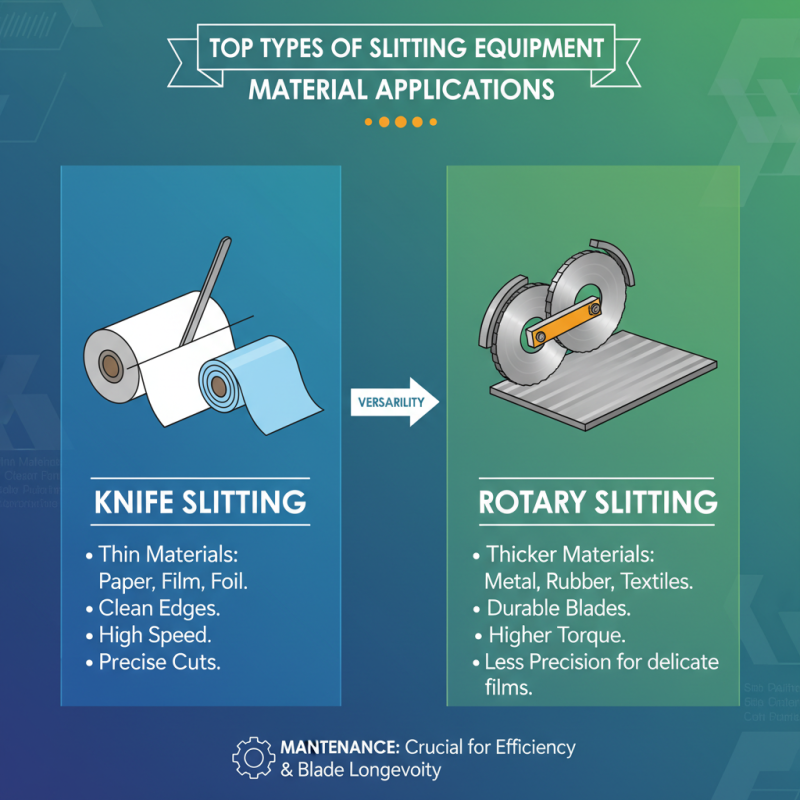
Slitting equipment is essential for various material applications. Different types of slitting machines suit different materials. For instance, paper and film require precise cutting to maintain quality. Knife slitting is popular for thin materials, offering clean cuts and high speed. Rotary slitter blades are effective for thicker materials, but they can wear out quickly. Regular maintenance is key to efficiency.
Next, the choice of equipment depends on the material type. Metal slitting requires robust machinery able to handle tougher demands. High-speed slitting machines excel in this area, but they come with higher operational costs. Understanding the material properties helps in selecting the right equipment. For example, elasticity and thickness influence the slitter choice. Experimentation may lead to better outcomes, but it requires time and resources.
Moreover, the setup process is crucial. Even the best machine can underperform if not calibrated properly. Operators must be trained to handle the equipment efficiently. Mistakes in setup can lead to waste and affect product quality. Each application has unique challenges that require thoughtful consideration. Balancing speed, cost, and quality remains a constant pursuit in material processing.
Comparative Analysis of Leading Slitting Machines in the Market
When assessing the best slitting machines, one should focus on efficiency and technological advancements. A reliable machine should have precise cutting capabilities. It needs to prevent material waste. Many options exist, each with unique features. Key factors to consider include speed, accuracy, and adaptability to various materials.
Tips: Frequent maintenance enhances performance. Inspect blades regularly to ensure sharpness. This simple action prevents defects and errors during the slitting process.
The analysis of these machines reveals varying degrees of efficacy. Some machines excel with thicker materials, while others are better suited for films and foils. It's essential to weigh these differences when making a decision. User reviews can provide insight into real-world performance. Always question whether a machine truly meets your production needs.
Tips: Create a checklist for necessary features. This can streamline your selection process. Don't overlook the importance of after-sales support as well. Good support can minimize downtime and maintain productivity.
Top 10 Slitting Equipment Options for Efficient Material Processing
Best Practices for Maintaining and Operating Slitting Equipment Effectively
Operating slitting equipment requires a keen understanding of best practices. Regular maintenance is vital for optimal performance. Check blades frequently. Dull blades cause uneven slits and waste material. Schedule routine inspections to spot wear and tear early. This proactive approach saves time and reduces costs.
Training personnel is equally important. Well-trained operators can spot issues quickly. Encourage them to follow safety protocols. Ignoring safety can lead to accidents and machine damage. Use visual guides to reinforce correct usage. These small details can make a big difference in ensuring smooth operations.
Documentation also plays a key role. Maintain a detailed log of maintenance activities. This helps in tracking performance trends over time. Analyze this data to identify recurring issues. Doing so can enhance reliability and efficiency. Reflect on past experiences and continuously improve. Adapt to changes and evolving demands in material processing.