How to Choose the Best Transfer Paper Machine for Your Needs?
Choosing the right Transfer Paper Machine can significantly impact your creative projects. With many options available, it’s crucial to find a machine that suits your unique needs. Understanding the specifications and features of different models is essential for making an informed decision.
The market is filled with various transfer paper machines, each claiming superior quality. However, the best choice depends on factors like fabric type, print quality, and ease of use. Many users often overlook these details, leading to unsatisfactory results. A reliable machine can enhance your productivity and creativity, making it worth the research.
Consider your primary purpose for the transfer paper machine. Are you focused on personal projects or large-scale production? This distinction affects your choice. Engaging with experienced users can provide insights. A well-informed selection can lead to better outcomes and minimize frustrations down the line.
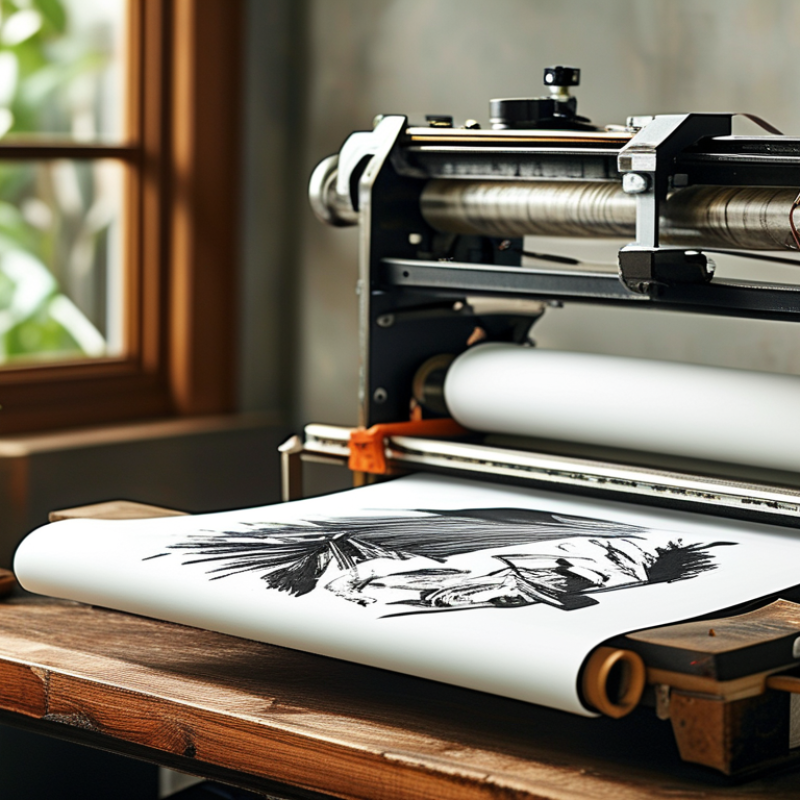
Understanding the Different Types of Transfer Paper Machines
When selecting a transfer paper machine, it's essential to understand the different types available. The most common types include inkjet transfer paper machines and heat transfer vinyl (HTV) machines. Inkjet machines are versatile and ideal for detailed designs. They work best with inkjet printers and provide a wide range of color options. Users often mention that they appreciate the ability to print photographs directly onto fabric using these machines.
Heat transfer vinyl machines, on the other hand, are suitable for those focused on creating more solid, vinyl-based designs. This category is popular among crafters and small businesses. They typically allow users to cut vinyl sheets into various shapes and sizes, making them ideal for custom apparel. However, some users find the learning curve steep when getting started with these machines. Adjusting settings can be challenging, and results may vary.
Both types present their own unique challenges. Inkjet machines may face issues with ink compatibility and paper jamming. Similarly, HTV machines require precise temperature settings for optimal results. It’s crucial to read user reviews and guidelines to mitigate these concerns. Ultimately, choosing the right machine involves weighing the pros and cons of each type, and considering personal needs and expertise.
Types of Transfer Paper Machines and Their Popularity
Key Features to Consider When Choosing a Transfer Paper Machine
Choosing the right transfer paper machine is crucial for achieving high-quality results. When evaluating machines, consider the size. If you run a small business, a compact model may suffice. Larger projects require bigger machines for efficiency and flexibility.
Temperature control is another key feature. Machines with precise temperature settings ensure even transfers. Inconsistent heat can lead to poor print quality or damage to your materials. Don't overlook pressure settings. Proper pressure is essential for a successful transfer. A machine that allows adjustments is beneficial for various projects.
Tip: Always read user reviews to gauge reliability. Feedback from other users can highlight strengths and weaknesses. Testing different machines might also reveal what works best for your unique needs. Look for models that have an easy setup. Some machines can be complicated, leading to frustration.
Pay attention to materials compatibility. A versatile machine can handle various paper types. This flexibility allows you to explore different designs and applications. However, not all machines fit every type of project. Research your specific needs to avoid future complications.
How to Choose the Best Transfer Paper Machine for Your Needs? - Key Features to Consider When Choosing a Transfer Paper Machine
| Feature |
Description |
Importance |
| Print Quality |
Resolution, color accuracy, and overall quality of prints. |
High |
| Speed |
Time taken to complete a transfer job, affecting productivity. |
Medium |
| Size of Transfer Paper |
Available sizes of paper that the machine can accommodate. |
High |
| Ease of Use |
User-friendly interface and set-up process. |
Medium |
| Durability |
Build quality and longevity of the machine. |
High |
| Cost |
Initial investment cost vs. long-term operational costs. |
High |
| Customer Support |
Availability and quality of technical support services. |
Medium |
| Compatibility |
Works well with various fabrics and materials. |
High |
| Safety Features |
Features to ensure safe operation and prevent hazards. |
Medium |
Evaluating the Cost vs. Benefits of Transfer Paper Machines
When evaluating the cost vs. benefits of transfer paper machines, it is essential to consider various factors. The initial investment can range from a few hundred to several thousand dollars. According to a recent industry report, businesses that invest in high-quality machines often see a return on investment within the first year. However, lower-priced options may lead to hidden costs, such as poor-quality prints or frequent maintenance. Understanding these financial dynamics is crucial.
Efficiency plays a significant role in the long-term value of a transfer paper machine. High-efficiency models can reduce the time spent on jobs and improve productivity. Research indicates that companies using more efficient machines can increase output by nearly 30%. This boost can offset the higher upfront costs. However, it's vital to weigh these benefits against potential downsides, like the learning curve for advanced features or the need for specialized training.
Quality should also be a primary consideration. A machine that produces vibrant, long-lasting prints can elevate a business's brand credibility. While cheaper models might seem attractive, they often deliver inconsistent results. Investing in a reliable machine can enhance customer satisfaction, but it requires careful thought and alignment with business goals. Ultimately, the choice should reflect a balance between cost and long-term benefits.
Comparing Popular Brands and Models in the Market
When choosing a transfer paper machine, understanding popular brands and models is essential. Many machines vary in features, and knowing what to look for can save time and money. Some machines focus on speed, while others excel in quality. Evaluating your priorities helps narrow down the options.
Many users highlight the importance of printing size and paper compatibility. A machine that handles multiple sizes is often more versatile. However, some models may struggle with specific paper types. Testing a few samples before purchasing can help address these concerns. Additionally, user reviews provide insights but should be approached critically, as experiences can differ widely.
Price is another key factor. Some machines offer more features at a higher cost, while budget models may lack durability. Researching warranty options can offer peace of mind. Balancing features and your budget requires careful thought. Remember, a machine that seems perfect may not meet your unique needs. Always consider future needs too, as your projects may evolve.
Tips for Maintenance and Longevity of Your Transfer Paper Machine
Maintaining your transfer paper machine is crucial for its longevity. Regular cleaning is essential. Dust and debris can clog the components, affecting performance. Use a soft, dry cloth to wipe the exterior and a gentle brush for the insides. These simple actions can prevent larger issues down the line.
Temperature is another key factor. High heat can warp the materials, while low temperatures may not fully activate the transfer. Monitor the machine's environment. Ensure the room isn't too humid, as moisture can also harm equipment. Also, consider using a surge protector. Power spikes can damage your machine's electronic components.
Don’t forget about the transfer paper. Always store it flat and in a cool, dry place. Over time, old paper can lose its effectiveness. This is something many users overlook. Regularly check the paper for signs of damage. Investing a little time in maintenance can greatly enhance your machine's performance and extend its life.