How to Choose the Top Paper Tearing Machine in 2026?
Choosing the top Paper Tearing Machine in 2026 requires more than comparing speed, price, or motor power. The right machine must match paper thickness, sheet size, daily workload, and workplace safety requirements. A quiet unit that produces clean, repeatable tears may outperform a faster machine that creates dust, uneven edges, or frequent jams.
Industry data supports this practical approach. CEPI’s 2023 monitoring report recorded an 82% paper recycling rate in Europe, showing the continuing importance of efficient fiber recovery. Smithers’ packaging forecasts also identify paper-based formats and sustainability as major market drivers through 2028. These trends increase demand for machines that process waste paper reliably while reducing material loss. The market is moving quickly.
Machine builders commonly highlight output rates, but published figures can be difficult to compare. Testing conditions often differ. A claimed capacity may assume dry, uniform paper and continuous feeding. Real production includes mixed stock, folded sheets, humidity, and operator pauses. Buyers should request sample testing, noise data, blade replacement intervals, and energy consumption records.
A strong Paper Tearing Machine should offer guarded cutting areas, accessible maintenance points, stable feeding, and adjustable tearing control. It should also support traceable inspection records and documented operator training. These details reflect experience, not just brochure language. Still, no machine wins every application. A compact workshop may value flexibility, while a recycling facility may prioritize throughput and uptime. The best choice comes from measured trials, credible supplier references, and a clear evaluation of total operating cost. Be willing to reconsider the first specification.
Understanding Paper Tearing Machines and Their Main Functions
How to Choose the Top Paper Tearing Machine in 2026?
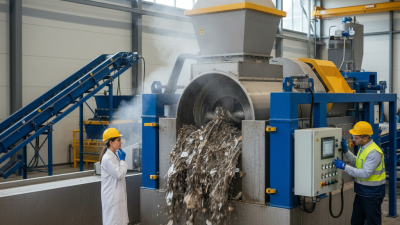
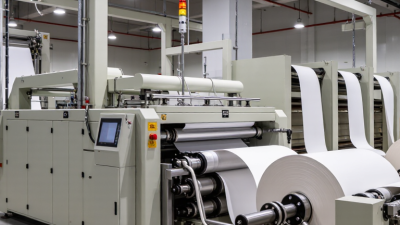
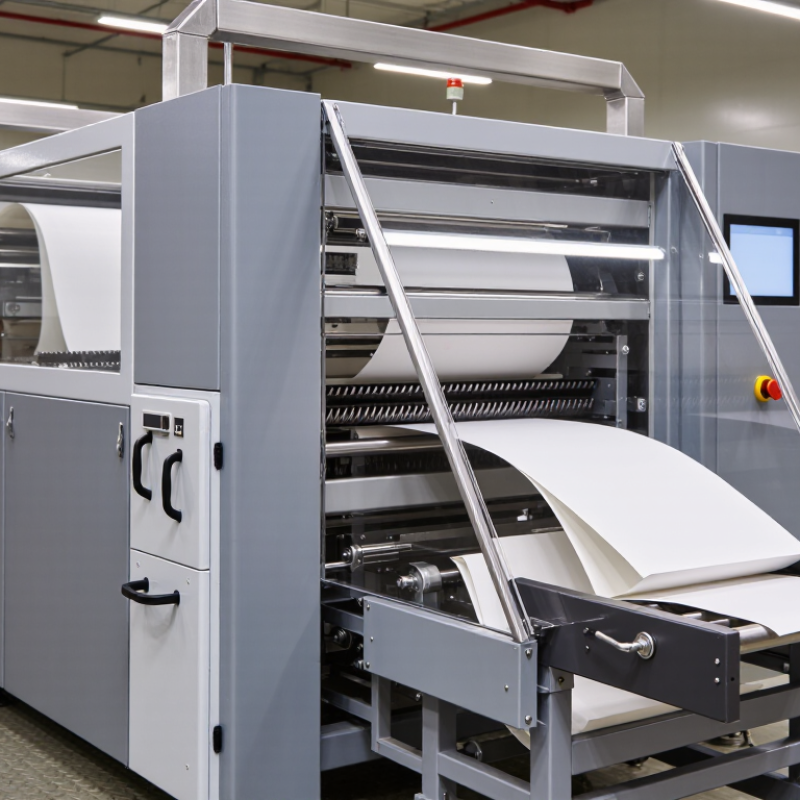
A paper tearing machine separates paper into controlled strips, pieces, or fibers. It is more specialized than an ordinary shredder. Many models use rotating blades, feeding rollers, and adjustable cutting settings. These parts determine the final texture and production speed. In recycling, packaging, and craft work, consistent tearing can reduce manual labor and material waste. A reliable machine should process the expected paper thickness without frequent jams. It should also offer stable feeding and accessible maintenance points. Small details matter.
The main functions include tearing, feeding, size adjustment, dust control, and overload protection. Some machines handle thin office paper, while others process cardboard or layered sheets. Do not judge capacity by speed alone. A fast machine may create uneven pieces or overheat during long sessions. Check motor power, blade durability, noise levels, and cleaning requirements. I have found that real operating conditions often differ from catalog claims. Testing samples is wiser than trusting impressive numbers. The “top” choice depends on material, workload, available space, and operator experience.
Tips:
Measure your daily paper volume before comparing machines. Ask for a sample test using your actual materials. Leave room around the machine for cleaning and safe access. Inspect replacement-part availability and service guidance. A simple control panel is usually better for busy work areas. Keep settings moderate at first. Then adjust them carefully.
Identifying the Right Machine Type for Your Paper Processing Needs
How to Choose the Top Paper Tearing Machine in 2026?
Identifying the Right Machine Type for Your Paper Processing Needs
Choosing a paper tearing machine starts with the material, not the catalogue. FAO forestry statistics place global paper and paperboard production above 400 million tonnes annually. That scale hides major differences in feedstock. Clean office paper needs a different cutting action than wet corrugated waste or tightly compressed bales. A rotary tearing machine suits continuous processing and mixed paper streams. A guillotine-style unit offers cleaner sizing for controlled batches. Hammer-based systems may handle bulky material, but they can create more dust and uneven fragments. The right answer depends on your output target.
Check four details before comparing models: feedstock moisture, required particle size, hourly throughput, and available floor space. AF&PA reported a 60.8% U.S. paper recovery rate in 2023, showing how much recovered material enters processing systems. Recovered paper also contains tape, staples, coatings, and occasional plastic contamination. Ask for a test using your own material. A quoted capacity may reflect ideal, dry stock. Real production can be lower. Sometimes, a slower machine is better. It may reduce blockages, heat, dust, and maintenance interruptions. Review the motor load, blade access, emergency controls, noise level, and spare-part availability. Do not ignore operator feedback. The machine that looks strongest on paper may be awkward beside a loading dock.
How to Choose the Top Paper Tearing Machine in 2026?
Identifying the right machine type depends on required throughput, feedstock size, output consistency, and the level of size reduction needed. The chart shows representative planning benchmarks for common paper-processing machine types; actual capacity varies with paper grade, moisture, feed size, and operating conditions.
Throughput is shown in metric tonnes per hour. Use lower-capacity machines for office paper and controlled batches, while rotary shear and hammer mill systems are better suited to continuous recycling and high-volume processing.
Comparing Key Features, Capacity, Speed, and Tearing Precision
Choosing a top paper tearing machine in 2026 requires more than checking its price. Start with the material you process daily. Office paper, packaging sheets, and laminated stock need different tearing systems. Examine the feed opening, motor rating, duty cycle, and safety sensors. A wide intake saves time with large sheets. A stronger motor handles thicker material, but it may consume more power. Ask for measured performance data, not attractive marketing claims.
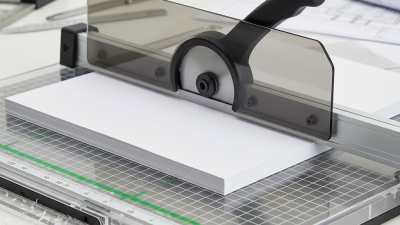
Capacity affects workflow. Check the rated sheets per cycle and the collection container size. A machine that holds 300 sheets may still require frequent loading. Speed matters, but faster operation is not always better. Excessive speed can create uneven edges, jams, or heat buildup. Tearing precision depends on blade design, adjustable settings, and consistent paper feeding. Request a sample test using your actual paper. Small differences become obvious beside a ruler. I would also inspect noise levels and cleaning access. These details are easy to overlook.
Tips: Leave a safety margin below the maximum capacity. Record the average load, cycle time, and jam frequency during testing. Do not trust one demonstration. Test several paper weights and sizes. Check whether replacement parts and technical support are clearly documented. A precise machine can still disappoint if operators find its controls confusing. Consider training time, too. Real workplace use is messier than showroom testing.
Evaluating Safety, Maintenance, Energy Use, and Operating Costs
How to Choose the Top Paper Tearing Machine in 2026?
A reliable paper tearing machine must protect operators before it improves productivity. OSHA’s Machine Guarding eTool estimates that machinery causes about 18,000 amputations and 36,000 serious injuries each year in the United States. Choose enclosed tearing zones, emergency stops, interlocked access panels, and simple lockout points. Ask for documented test results, not attractive promises. I would inspect the feed opening personally. A small gap can become a serious weakness.
Maintenance controls long-term operating costs. Look for tool-free access, visible lubrication points, replaceable blades, and sensors that report overloads. NFPA 70B recommends a documented electrical maintenance program, which supports safer inspections and fewer unexpected failures. Energy use also deserves careful testing. Do not judge efficiency from motor wattage alone. Measure energy per tonne of processed paper, including standby consumption and restart cycles. The U.S. Department of Energy’s Industrial Assessment Centers database shows that many motor-efficiency projects achieve payback close to two years. Actual savings depend on load patterns, however.
Tips: Compare three operating scenarios: light use, normal use, and peak batches. Record kWh, labour minutes, blade changes, and stoppage time for each. Request a 30-day trial if possible. A cheaper machine may consume more power, require frequent cleaning, and create costly dust-control work. Review spare-part availability and technician response times before signing. The overlooked cost is often downtime. When calculations feel too neat, check them again.
Selecting the Best Paper Tearing Machine for Long-Term Performance
How to Choose the Top Paper Tearing Machine in 2026?
Selecting the best paper tearing machine requires more than comparing motor power. Long-term performance depends on duty cycle, blade durability, feed consistency, dust control, and service access. The FAO Forestry Production and Trade report recorded global paper and paperboard production at about 423 million tonnes in 2023. That scale increases pressure on processing equipment. A machine designed for occasional office waste may struggle in a busy recycling line.
Look closely at the working details. Hardened cutting components, overload protection, adjustable feeding, and sealed bearings can reduce unplanned stoppages. The machine should also support safe cleaning and quick access to wear parts. The U.S. Environmental Protection Agency reported that paper and paperboard represented 67.4 million tons of municipal solid waste in 2018. This figure shows why reliable paper processing remains important, although newer waste data should also be reviewed. Bigger is not always better. A higher motor rating can increase energy use without improving output. I would test the machine with damp sheets, mixed paper thicknesses, and repeated full-load cycles. That practical trial may reveal weaknesses hidden by specification sheets. Check noise, heat, dust, and jam recovery. Small faults become expensive when operators repeat them daily. ISO 12100-based risk assessment and clear maintenance records should support the purchasing decision.
How to Choose the Top Paper Tearing Machine in 2026? - Selecting the Best Paper Tearing Machine for Long-Term Performance
| Machine Category |
Recommended Use |
Rated Throughput |
Feed Opening |
Typical Tear Size |
Installed Power |
Continuous Duty |
Estimated Noise |
Maintenance Interval |
Best Long-Term Advantage |
| Compact Office Tearer |
Small offices, schools, and low-volume document recycling |
80–150 kg/h |
300 × 180 mm |
10–30 mm |
4–7.5 kW |
Up to 4 h/day |
70–78 dB(A) |
Every 250 operating hours |
Low purchase and energy cost |
| Standard Recycling Tearer |
Commercial recycling centers and print shops |
250–500 kg/h |
600 × 300 mm |
15–50 mm |
11–22 kW |
6–8 h/day |
78–85 dB(A) |
Every 200 operating hours |
Balanced capacity and operating cost |
| Heavy-Duty Industrial Tearer |
High-volume paper recycling and material recovery facilities |
600–1,200 kg/h |
900 × 450 mm |
20–70 mm |
30–55 kW |
Up to 16 h/day |
82–90 dB(A) |
Every 100–150 operating hours |
High throughput and robust construction |
| Low-Speed High-Torque Tearer |
Mixed paper, cardboard, and occasional light contaminants |
400–900 kg/h |
800 × 400 mm |
25–80 mm |
22–45 kW |
8–16 h/day |
75–85 dB(A) |
Every 150–200 operating hours |
Lower shock load and improved jam resistance |
| Automated Conveyor Tearer |
Integrated sorting, baling, and continuous recycling lines |
800–1,500 kg/h |
1,000 × 500 mm |
20–60 mm |
37–75 kW |
16–24 h/day |
82–92 dB(A) |
Daily inspection; service every 100 hours |
Reduced labor and stable line integration |
Selection Note:
Actual throughput depends on paper moisture, sheet density, bale preparation, feed consistency, tear-size settings, and contamination levels. Confirm motor sizing, safety guarding, spare-part availability, electrical requirements, and measured noise levels before purchase.