Leave Your Message
AI Helps Write

China Top Writing Paper Machine Manufacturers

China’s writing paper sector is changing faster than many factory brochures suggest. The China Paper Association reported that China produced about 144 million tonnes of paper and paperboard in 2023. Yet writing paper is not simply a volume business. It requires stable formation, controlled moisture, smooth surfaces, and reliable reel winding.

The Smithers report, The Future of Global Paper and Board to 2028, indicates continuing pressure on graphic paper demand. Digital communication remains a major challenge. Still, schools, offices, publishers, packaging inserts, and premium stationery preserve important market spaces. A modern Writing Paper Machine must therefore balance speed, energy use, fiber efficiency, and product flexibility. The machine should not only run fast.

Martin A. Hubbe, a respected paper-science researcher, has stated, “Papermaking is a science, but it is also an art.” That observation is useful when comparing China’s top manufacturers. Their real differences often appear in approach-flow design, headbox precision, drying-section control, automation, and after-sales service. A bright sheet may hide unstable formation. A high-speed line may consume too much steam. Details decide.

This guide examines leading Chinese manufacturers through practical criteria, including machine configuration, annual capacity, technology integration, export experience, and maintenance support. It also considers less visible risks, such as spare-parts delays and operator training gaps. Some rankings remain debatable. That is normal. Buyer priorities differ between a compact mill and an integrated paper group. The strongest supplier is not always the largest one; it is the manufacturer that can match equipment performance with the mill’s fiber mix, workforce, budget, and long-term product plan.
China Top Writing Paper Machine Manufacturers

China’s Writing Paper Machine Manufacturing Landscape

China Top Writing Paper Machine Manufacturers

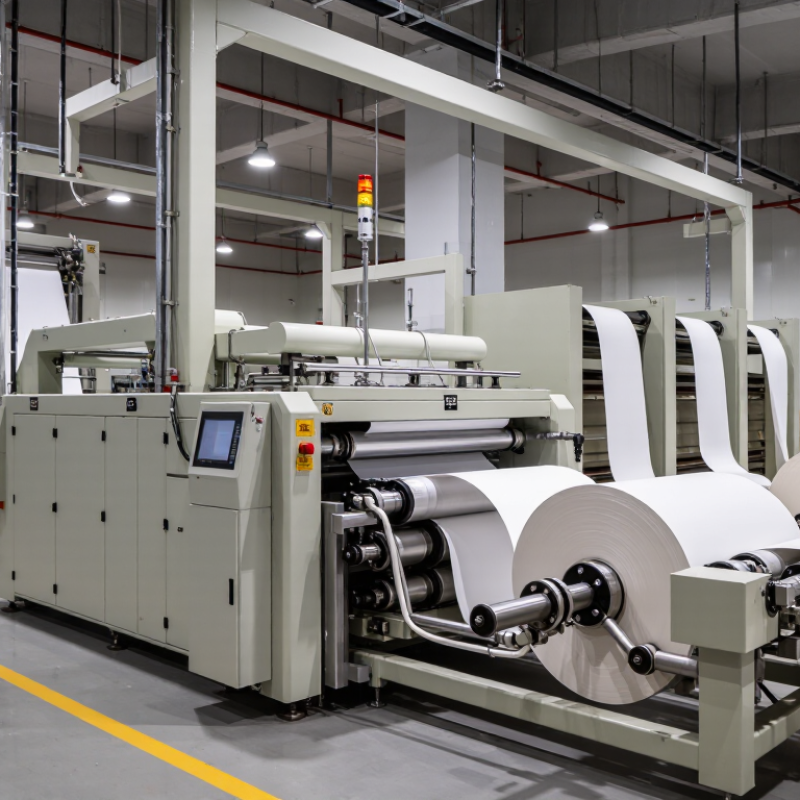
China’s writing paper machine manufacturing landscape has developed around practical engineering and flexible production. Manufacturers commonly serve mills producing copy paper, notebook stock, school paper, and lightweight office grades. Their equipment often combines forming sections, press systems, drying cylinders, sizing units, and reel handling. In factory assessments, buyers should observe machine alignment, vibration levels, steam control, and operator access. These details reveal more than a polished showroom presentation.

Production needs differ widely. A small mill may value compact design and easier maintenance. A large mill may require high-speed operation, automated moisture control, and stable basis-weight performance. Experienced suppliers usually provide technical drawings, trial data, installation guidance, and spare-part planning. Still, paperwork can look stronger than actual performance. A careful buyer should request recent operating references and inspect finished paper samples under normal conditions. Numbers need context.

Tips: Compare total ownership cost, not only the purchase price. Check energy use, component availability, training, and response time. Ask how the machine handles grade changes and wet-end instability. Record questions during factory visits. Small notes prevent expensive misunderstandings. China’s manufacturing landscape offers broad choices, but quality consistency depends on engineering discipline, process support, and honest communication. A machine may appear advanced, yet weak commissioning can reduce its value. That point deserves more attention.
Core Technologies in Modern Writing Paper Machines

China Top Writing Paper Machine Manufacturers

Core Technologies in Modern Writing Paper Machines

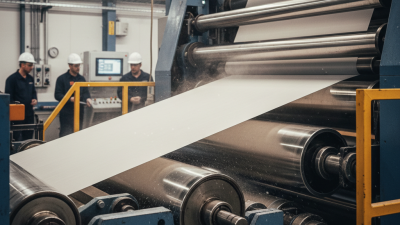
Modern writing paper machines depend on stable stock preparation, precise forming, and controlled drying. The process begins with refined fiber, clean water, and carefully measured additives. A high-performance headbox distributes the pulp suspension across the forming fabric. Uniform flow matters. Small pressure changes can create uneven basis weight or visible sheet marks.

Vacuum elements remove water while the web gains strength. Press sections then reduce moisture with controlled nip pressure and absorbent felts. Excessive pressure may improve dryness but damage bulk and surface feel. This balance requires practical testing, not only calculations. Steam-heated dryer cylinders provide efficient moisture removal, while ventilation systems manage humidity around the machine. Energy recovery can lower operating costs when the airflow design is properly matched.

Calenders smooth the paper and help control thickness, gloss, and printability. Surface sizing improves strength and writing performance, especially for demanding office applications. Modern systems use sensors to monitor moisture, grammage, tension, and defects in real time. Automated controls respond quickly, yet skilled operators remain important during grade changes and unstable raw-material conditions. No machine is perfect. A design that looks efficient on paper may perform poorly with inconsistent fiber or limited maintenance. Reliable manufacturers therefore combine mechanical strength, process expertise, safety controls, and accessible service support. Some improvements seem minor, such as better doctor-blade adjustment, but they can prevent repeated quality losses.

China Top Writing Paper Machine Manufacturers – Core Technologies in Modern Writing Paper Machines

The chart presents representative operating ranges commonly used in modern writing-paper production. Machine speed reflects typical forming and finishing-line capability, while basis weight indicates the paper grades commonly produced. Actual values vary with furnish, moisture control, coating requirements, web width, and product specifications.

Leading Chinese Manufacturers and Their Product Profiles

Chinese writing paper manufacturers serve several distinct market segments, from everyday copy paper to coated sheets for books, labels, and commercial printing. Large mills often produce woodfree paper in different brightness levels, basis weights, and moisture ranges. Some facilities also make recycled writing paper, using de-inked fiber and controlled additives for stable formation.

Product profiles reveal more than a catalog title. A buyer should check GSM tolerance, smoothness, opacity, caliper, and reel or sheet dimensions. For office paper, reliable feeding and low dust are practical priorities. For publishing paper, bulk, ink absorption, and folding performance deserve closer attention. Specialty producers may offer colored paper, adhesive-compatible grades, or papers designed for digital printing. Details matter.

Factory experience changes the evaluation process. A serious supplier should provide recent test reports, production samples, packaging specifications, and clear quality procedures. Independent laboratory checks can confirm moisture, tensile strength, and surface properties before shipment. Not every manufacturer performs equally across all grades. That gap matters. Some mills have advanced coating lines but limited experience with export packaging. Others offer competitive recycled grades, yet their shade consistency may need improvement. I would compare trial orders, communication speed, and corrective actions, rather than relying on equipment lists alone. A dependable manufacturer explains limitations openly and adjusts the product profile to the buyer’s actual printing conditions.

How to Evaluate Chinese Writing Paper Machine Suppliers

China Top Writing Paper Machine Manufacturers

Evaluating Chinese writing paper machine suppliers requires more than comparing prices. A reliable supplier should explain forming, pressing, drying, and sizing processes clearly. Ask for production data from machines using similar paper grades and raw materials. Real figures matter.

Request a factory audit, equipment photographs, and recent customer references. Inspect welding quality, electrical cabinets, spare parts storage, and testing instruments. Confirm whether key components have stable service support in your region. Review machine speed, paper width, basis-weight range, energy use, and expected output. A supplier should provide documented acceptance standards, installation plans, training, and response times. I have found that vague promises often become expensive delays. Still, even strong suppliers may underestimate shipping issues or commissioning time. Build reasonable allowances into the schedule.

Tips: Compare at least three technical proposals. Use the same specification sheet. Ask for a live machine test. Check paper samples under normal lighting. Clarify warranty exclusions. Keep every promise in writing. A low quote can hide weak after-sales support, limited customization, or difficult spare-part sourcing. Experienced suppliers welcome detailed questions and explain limitations without changing the subject. That behavior is useful evidence of professionalism, although it is not absolute proof. Verify independently through audits, references, and signed technical documents.

China Top Writing Paper Machine Manufacturers - How to Evaluate Chinese Writing Paper Machine Suppliers

Evaluation Dimension Recommended Benchmark for Writing Paper Machines Evidence to Request Suggested Weight Scoring Guidance
Paper Grade Compatibility Designed for common writing and printing paper grades, typically about 35–120 g/m², subject to the proposed forming and drying configuration. Technical proposal, approved furnish range, sample production records, and finished-paper specifications. 15% 5 = covers the full target range with documented results; 3 = partial compatibility; 1 = major process limitations.
Basis-Weight Control Stable cross-direction and machine-direction basis-weight control, with an automatic approach system and calibrated measurement equipment. CD profile charts, measurement-system specifications, calibration records, and acceptance-test tolerances. 10% 5 = measured profile data and clear tolerance limits; 3 = controls described but not demonstrated; 1 = manual or incomplete control.
Machine Speed and Production Capacity For many modern writing-paper projects, a proposed operating range may be approximately 800–1,500 m/min, depending on paper grade, trim width, furnish, and drying capacity. Guaranteed operating speed, net production calculation, speed-reduction assumptions, and performance-test protocol. 12% 5 = capacity is supported by comparable references and a guaranteed test; 3 = theoretical capacity only; 1 = unclear output basis.
Web Width and Layout Trim width should match the intended converting format; a common writing-paper project may require approximately 1,880–5,600 mm, depending on the product mix. General arrangement drawing, trim-width calculation, machine-room requirements, and future expansion allowance. 8% 5 = optimized for the buyer’s product mix; 3 = acceptable with compromises; 1 = significant layout mismatch.
Energy and Water Efficiency The proposal should quantify electricity, steam, compressed air, and fresh-water consumption per tonne rather than provide only general efficiency claims. Utility balance, heat-recovery plan, vacuum-system data, water-loop diagram, and guaranteed consumption figures. 12% 5 = itemized guarantees with test conditions; 3 = estimates with limited assumptions; 1 = no measurable data.
Automation and Process Control A complete system should include distributed control, drive synchronization, recipe management, alarm history, trend recording, and production data access. Control-system architecture, input/output list, cybersecurity provisions, software scope, and operator-interface demonstration. 10% 5 = integrated and documented control platform; 3 = functional but fragmented; 1 = substantial manual operation.
Quality Assurance and Compliance The supplier should operate documented quality procedures and provide applicable conformity, material, pressure, electrical, and safety documentation for the destination market. Quality certificates, inspection plans, welding records where applicable, factory-acceptance checklist, and export documentation. 10% 5 = independently verifiable documentation; 3 = internal documents only; 1 = incomplete traceability.
Reference Projects and Verification References should use comparable paper grades, machine scale, operating speed, and local utility conditions; recent installations are more relevant than generic project counts. Anonymized project profiles, production data, customer interviews, commissioning records, and site-visit options. 10% 5 = several independently verified comparable projects; 3 = limited or weakly comparable references; 1 = unverifiable claims.
Installation, Commissioning, and Training The contract should define supervision, commissioning milestones, operator training, performance testing, documentation, and responsibility for interface work. Project schedule, staffing plan, commissioning method statement, training syllabus, and acceptance criteria. 6% 5 = detailed resources and measurable milestones; 3 = general support promise; 1 = buyer must manage most activities.
After-Sales Service and Spare Parts A credible service plan should identify response channels, critical spare-parts availability, remote support, preventive maintenance, and escalation procedures. Service-level agreement, spare-parts list, recommended inventory, support coverage, and maintenance manuals. 5% 5 = defined response and parts plan; 3 = standard warranty support; 1 = unclear long-term service capability.
Commercial and Contractual Transparency The quotation should separate equipment scope, exclusions, utilities, civil works, installation, taxes, packaging, transport, payment terms, and performance guarantees. Itemized quotation, contract draft, delivery schedule, liquidated-damages terms, warranty terms, and change-order procedure. 2% 5 = fully itemized and balanced contract; 3 = minor gaps; 1 = substantial hidden-cost or responsibility risks.
Total Evaluation Weight 100% Use a 1–5 score for each dimension and multiply by the assigned weight.

Note: The technical ranges shown are practical screening benchmarks, not guaranteed specifications. Final requirements should be confirmed through a project-specific technical proposal, documented reference data, and a signed performance-acceptance test.

Export Markets and Industry Trends for Chinese Machines

Chinese writing paper machine manufacturers have expanded their export reach across Southeast Asia, Africa, the Middle East, and Latin America. These markets often seek flexible equipment for notebooks, copy paper, school materials, and lightweight packaging grades. Buyers usually compare production speed, paper width, energy use, and local service support. Port access also matters when transporting large drying sections and electrical cabinets.

A strong machine supplier should provide clear technical drawings, tested components, and practical commissioning guidance. Experienced buyers inspect forming systems, press sections, steam control, and moisture profiles before signing contracts. Recycled fiber is becoming more important, especially where recovered paper is locally available. Machines with adjustable speeds can handle changing pulp quality and seasonal demand. Small details matter, such as spare rolls, sensor compatibility, and access for maintenance teams.

Export projects still face uncertain shipping costs, currency pressure, and limited engineering skills in some regions. Remote support helps, but it cannot replace a trained technician beside the machine. That weakness deserves attention. Some purchasing decisions focus too heavily on the quoted price and overlook water treatment, boiler efficiency, and replacement parts. A cheaper machine may become expensive after repeated stoppages. Energy-saving drying systems and improved automation are gaining interest, although their payback period differs by country. Local paper demand, electricity reliability, and operator experience should guide the final specification.