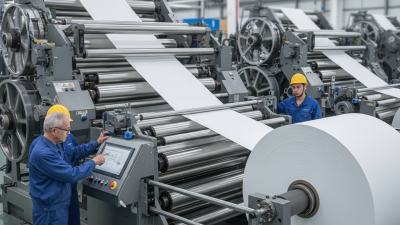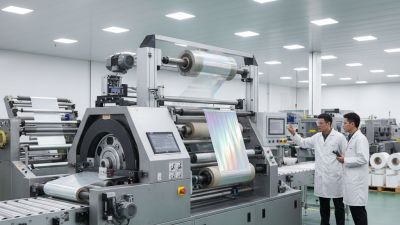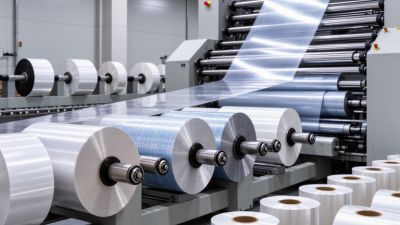
Choosing the right Rewinder Machine affects product quality, operating costs, and production reliability. It is not simply a choice between speed and price. A converter must examine material type, roll width, core size, tension control, slitting accuracy, and changeover time. Film, paper, foil, and laminated webs can behave very differently under pressure. A machine that handles plastic film well may struggle with delicate paper.
Industry reports provide useful context. Smithers’ “The Future of Global Flexible Packaging to 2029” identifies continued growth in flexible packaging, supported by demand for lightweight and resource-efficient formats. This trend increases pressure on converters to reduce trim waste and maintain consistent roll quality. PMMI research also highlights automation, labor availability, and operational efficiency as major packaging priorities. These findings suggest that automatic knife positioning, recipe storage, web inspection, and stable tension systems deserve serious attention.
Look closely at the details.
Ask manufacturers for application tests using your actual substrate, not a similar sample. Measure finished roll hardness, edge alignment, dust levels, and splice performance. Review maximum speed carefully. Rated speed may not equal stable production speed. That distinction can be expensive. A reliable Rewinder Machine should also offer accessible maintenance points, documented safety systems, responsive technical support, and available replacement parts. Energy consumption matters, but it should be compared with output and waste reduction.
There is no universally best machine. Some purchasing decisions still rely too heavily on brochures and impressive numbers. That approach needs reconsideration. The better choice combines verified trial results, lifecycle cost analysis, operator experience, and realistic production targets.
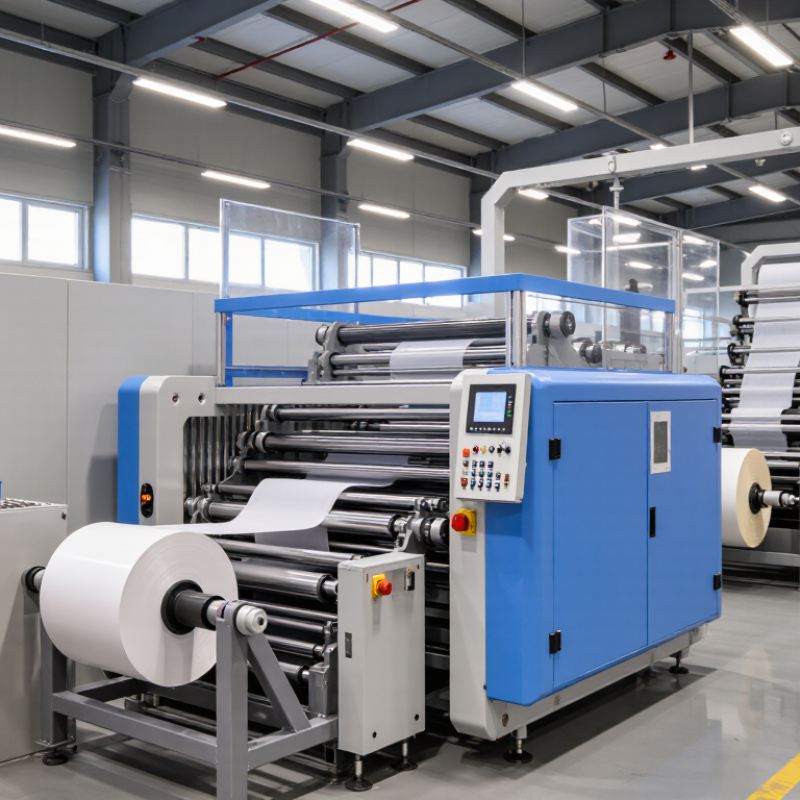
A rewinder machine converts large master rolls into smaller, usable rolls. It unwinds the web, guides it through tension controls, slits it when required, and rewinds it onto new cores. The process looks simple. It is not. Uneven tension can create wrinkles, telescoping edges, or loose layers that fail during printing and packaging.
The best rewinder depends on the material, not only the advertised speed. Smithers reported that the global flexible packaging market may reach about US$300.5 billion by 2028, increasing demand for stable, high-quality roll processing. For thin films, a precise tension system and clean slitting knives matter most. Paper and laminated structures may require stronger shafts and wider torque control. Check web width, roll diameter, core size, material thickness, and target output before comparing models.
PMMI’s 2024 industry data placed North American packaging machinery shipments at roughly US$10.2 billion in 2023. This suggests automation remains valuable, but higher automation can increase maintenance complexity. A rewinder with automatic splicing, defect detection, and recipe controls can reduce waste and operator variation. Yet the fastest machine is not automatically the best choice. In factory trials, small details matter: roll hardness, noise, changeover time, and access to knives. Some specifications look impressive on paper. They may disappoint on the production floor.
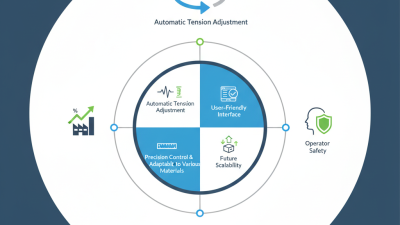
Choosing a rewinder starts with the materials it must control, not its maximum speed. A practical machine should process BOPP, PET, PE, CPP, paper, foil, laminates, and label stock without unstable tension. Each material behaves differently. Thin PE stretches. Foil creases. Paper absorbs moisture. A machine that handles everything may handle nothing elegantly.
Smithers’ flexible packaging outlook places the global market near US$300 billion, with continued growth driven by lightweight films and recyclable structures. That trend makes accurate tension control increasingly important. The OECD reports that only 9% of global plastic waste was recycled in 2019. Therefore, the rewinder should support downgauged films and mono-material webs without wrinkles, telescoping, or crushed cores. Ask whether it supports center, surface, or center-surface winding. Check maximum roll diameter, web width, core sizes, slit widths, and automatic knife positioning. These details decide daily productivity.
Rewinding is rarely just rewinding. Some plants need duplex winding, differential shafts, edge guiding, static control, or gentle handling for coated paper. In converting trials, operators should test the actual film, adhesive laminate, and ink surface. Laboratory samples can mislead. I have seen impressive speed figures fail when a 12-micron film trapped air near the roll edge. That result deserves scrutiny. Also examine splice handling, roll hardness control, dust removal, and changeover time. A slower machine may produce better saleable rolls. That is sometimes the wiser choice.
Match the rewinder to the material thickness, web behavior, and required converting task. The chart shows representative commercial thickness ranges that a suitable machine may need to process.
Selection guidance: Thin films and aluminum foil require accurate tension control and low-inertia unwinding. Stretchable PE needs stable web handling and closed-loop tension control. Paper generally requires strong edge guiding, dust-resistant components, and reliable roll-pressure control. For slitting and rewinding, also verify the required finished-roll width, diameter, line speed, splice method, and material surface sensitivity.
Check the working width, maximum parent-roll diameter, finished-roll diameter, and material thickness. These figures must match your daily production, not an ideal sample. Tension control is critical. Look for load cells, responsive drives, and stable web-guiding sensors. Poor tension can create telescoping rolls, wrinkles, or loose edges. The problem often appears only after storage.
Test the machine with your actual substrate. Paper, plastic film, foil, and laminated materials behave differently. Ask for winding samples at several speeds and roll diameters. Inspect hardness from the core to the outer layer. Also review knife adjustment, shaft design, dust removal, noise levels, and operator access. Safety guarding and emergency stops should be easy to verify, not hidden in technical language. A touchscreen is useful, but simple controls matter during a fault. The fastest option may not be the most reliable. That comparison deserves another look.
A rewinder’s quality depends on control, not only rated speed. Smithers’ report, The Future of Global Flexible Packaging to 2028, projects the market to exceed US$300 billion by 2028. That growth increases pressure for stable rolls, lower waste, and repeatable output. Web tension is critical. A practical machine should maintain tension within a narrow, adjustable range across the full roll diameter. Excessive tension creates telescoping, wrinkles, and crushed cores. Low tension causes loose edges and air pockets.
Speed is only one specification. Check acceleration, deceleration, shaft design, and tension response time. A 600-metre-per-minute rewinder may perform worse than a slower machine if control changes are abrupt. Differential shafts help manage width and thickness variation between rolls. Automatic diameter measurement can also reduce operator errors. According to PMMI’s 2024 State of the Industry report, labor availability continues to encourage automation in packaging operations. Yet automation without reliable sensors can multiply mistakes.
Inspect the slitting system closely. Razor, shear, and score-cut methods create different edge conditions. Ask for actual trial data using your film, paper, or laminate. Measure roll hardness, winding density, edge quality, splice visibility, and waste percentage. AIMCAL web-handling guidance repeatedly stresses tension uniformity and alignment during converting. I would not trust a brochure alone. Even a technically impressive machine can disappoint when the core tolerance is poor, the material changes, or the operator receives weak training. Small details matter.
How to Choose the Best Rewinder Machine?
How to Evaluate Safety, Maintenance, Cost, and Supplier Support?
Choosing a rewinder machine requires more than comparing speed and price. Safety evaluation should begin with guarding, emergency stops, interlocks, and tension-control stability. Ask the supplier to demonstrate safe access during roll loading and knife adjustment. Check whether operators can read controls clearly while standing beside the machine. An emergency stop should stop motion quickly and predictably. Do not accept vague answers.
During a factory trial, observe web alignment, vibration, dust buildup, and finished-roll edges. Record actual changeover time, not the figure printed in a brochure. Maintenance access matters every day. Inspect bearing points, sensors, blades, and pneumatic parts. Confirm that routine cleaning needs simple tools and limited downtime. A machine that runs fast but takes hours to service may cost more than expected. Cheap equipment can be expensive.
Calculate total ownership cost, including electricity, consumables, spare parts, training, labor, and lost production. Supplier support should include clear warranty terms, technical documentation, installation guidance, and realistic response times. Ask how quickly common replacement parts can arrive. Request references from users with similar materials and roll sizes. Written answers are useful. However, they cannot replace a live test.
One weakness may remain.
Your material may behave differently during seasonal humidity or higher production loads. Leave room for uncertainty, and test those conditions before signing. A reliable supplier should discuss limitations openly, rather than promising perfect results.
| Evaluation Dimension | Entry-Level Slitter Rewinder | Standard Automatic Rewinder | High-Speed Automatic Rewinder | Premium Integrated Rewinder |
|---|---|---|---|---|
| Recommended Application Typical production fit | Small converting plants, short production runs, and general-purpose film or paper work. | Regular industrial production with mixed materials and moderate changeover frequency. | High-volume production where speed, uptime, and repeatable roll quality are priorities. | Continuous production lines requiring advanced automation, data collection, and high utilization. |
| Typical Web Width Machine configuration range | 600–1,300 mm | 1,000–1,600 mm | 1,300–2,200 mm | 1,600–3,200 mm |
| Typical Production Speed Material and roll specification dependent | 150–300 m/min | 250–500 m/min | 400–800 m/min | 600–1,000 m/min |
| Safety Protection Guarding, emergency stops, interlocks, and risk controls |
3/5 Basic guarding and emergency-stop circuits; verify access-door interlocks and guarding around nip points. |
4/5 Generally includes guarded winding zones, emergency stops, safety relays, and controlled acceleration. |
5/5 Comprehensive guarding, monitored access points, overspeed protection, and documented risk assessment. |
5/5 Integrated safety architecture with zone control, safety PLC functions, diagnostics, and validated safeguards. |
| Roll Quality and Tension Control Web stability, hardness consistency, and defect reduction |
3/5 Suitable for less demanding products; manual adjustments may be needed during material changes. |
4/5 Closed-loop tension control and automatic taper settings are commonly available. |
5/5 High-response tension control supports demanding films, laminates, and narrow tolerance roll hardness. |
5/5 Advanced recipe control, automatic compensation, and process monitoring support highly consistent rolls. |
| Changeover Efficiency Time required between jobs or slit patterns |
2/5 Manual knife positioning and shaft handling can extend setup time. |
4/5 Assisted shaft changes, preset recipes, and semi-automatic knife positioning are commonly offered. |
5/5 Automatic positioning, quick-change components, and recipe-based setup reduce non-production time. |
5/5 Automated setup, shaft handling, job recall, and line integration support frequent product changes. |
| Routine Maintenance Accessibility, lubrication, wear parts, and service intervals |
4/5 Simple mechanical design is easy to understand, but more manual adjustment and inspection may be required. |
4/5 Good balance between accessible components, automated controls, and manageable wear-part replacement. |
4/5 Predictive diagnostics reduce troubleshooting, although drives, sensors, and controls require trained technicians. |
3/5 Strong diagnostics and remote monitoring are available, but integrated systems may require specialized service. |
| Operator Training Requirement Expected learning curve |
4/5 Easier to learn, but operators must understand manual tension, knife, and roll-handling adjustments. |
4/5 Moderate training required for recipes, tension settings, safety procedures, and quality checks. |
3/5 More advanced HMI functions, process parameters, and troubleshooting skills are necessary. |
3/5 Requires structured training for automation, data systems, safety diagnostics, and preventive maintenance. |
| Indicative Purchase Cost Typical new-equipment range; configuration dependent | US$80,000–180,000 | US$180,000–400,000 | US$400,000–850,000 | US$850,000–1,800,000+ |
| Indicative Installation and Commissioning Excludes building modifications and local taxes | Typically 5–10% of equipment price. | Typically 7–12% of equipment price. | Typically 10–15% of equipment price. | Typically 12–20% of equipment price because of integration, testing, and training. |
| Energy Efficiency Drive efficiency, standby consumption, and compressed-air demand |
3/5 Lower initial complexity, but older drive designs and manual operation may increase waste or idle time. |
4/5 Efficient variable-frequency or servo drives and controlled acceleration are commonly included. |
5/5 Regenerative drive options, optimized motors, and reduced setup waste can lower energy per finished roll. |
5/5 Energy monitoring, optimized line coordination, and automatic standby modes support low operating cost. |
| Spare Parts Availability Lead time and serviceability |
4/5 Standard mechanical parts are often easy to source; proprietary electrical parts should be checked carefully. |
4/5 A documented spare-parts list and recommended critical inventory are normally expected. |
4/5 Better diagnostics, but specialized drives, sensors, and automation components may have longer lead times. |
5/5 Strong suppliers provide lifecycle support, remote diagnostics, local inventory, and obsolescence planning. |
| Supplier Technical Support Response time, documentation, training, and remote assistance |
3/5 Support quality varies widely; require manuals, wiring diagrams, commissioning scope, and response commitments. |
4/5 Suitable for most plants when commissioning, operator training, and warranty terms are clearly defined. |
4/5 Dedicated technical support is important because high-speed troubleshooting directly affects production losses. |
5/5 Best suited to suppliers offering service-level agreements, remote access, application engineering, and upgrades. |
| Estimated Total Cost of Ownership Relative five-year operating burden |
4/5 Low capital cost, but labor, setup time, material waste, and lower throughput can reduce long-term savings. |
5/5 Often the best balance between purchase price, productivity, serviceability, and automation. |
5/5 Justified when utilization is high and improved output or reduced waste offsets the larger investment. |
4/5 Can deliver the lowest unit cost at high volume, but payback depends strongly on utilization and integration. |
| Overall Suitability Score Weighted assessment across safety, maintenance, cost, productivity, and support | 3.2 / 5 — Best for low-volume and budget-sensitive production | 4.3 / 5 — Best overall balance for most converters | 4.5 / 5 — Best for high-volume, quality-sensitive production | 4.4 / 5 — Best for large-scale integrated operations |