Top Features to Look for in Rewinder Machines for Your Business?
In today's competitive manufacturing landscape, selecting the right Rewinder Machine is crucial for business efficiency. Recent reports show that the global rewinding and slitting machine market is expected to grow at a CAGR of 4.5% from 2021 to 2028. This growth highlights the need for businesses to invest in high-quality machinery that meets their operational demands.
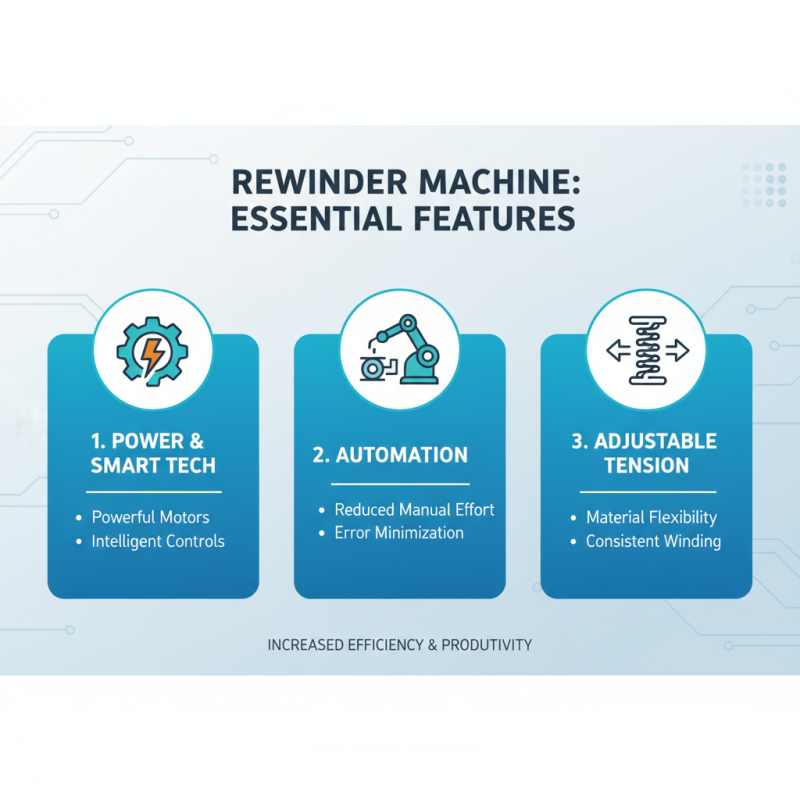
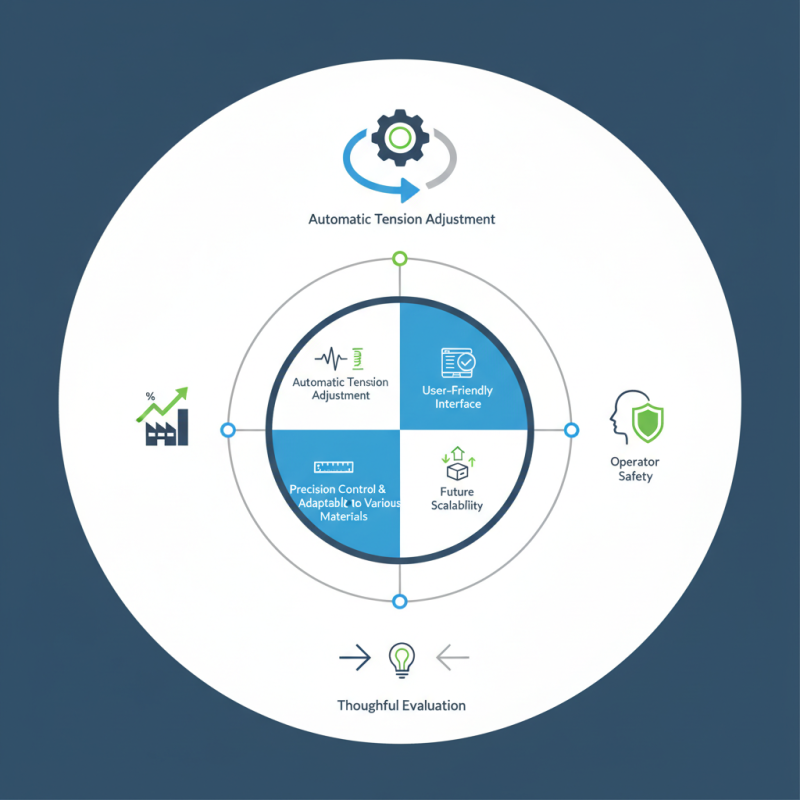
Industry expert Dr. Emily Carter, a leading authority on film converting technologies, emphasizes, "Efficiency in production hinges on the capabilities of your Rewinder Machine." Her insights reflect the importance of evaluating features that enhance performance, reduce waste, and improve operator safety. Businesses must look for machines that offer precision control and adaptability to various materials.
However, not all rewinder machines are created equal. Some may lack essential features that impact productivity, such as automatic tension adjustment or user-friendly interfaces. Therefore, companies should assess their unique needs carefully and seek models that not only meet current requirements but also allow for future scalability. Emphasizing thoughtful evaluation will lead to more informed investment choices in this crucial area of manufacturing.
Key Specifications of Rewinder Machines to Consider
When selecting a rewinder machine for your business, key specifications significantly influence performance. Consider the maximum roll size the machine can handle. A device with a wider capacity allows greater flexibility in production. It's also essential to evaluate the speed of the rewinding process. Faster machines can boost productivity but might not always ensure the best quality.
Another critical factor is the precision of the rewinding. This plays a vital role in how well the material aligns. Inaccurate rewinding can lead to waste and inefficiencies. Additionally, look for features like automatic tension control. This feature helps maintain consistent tension, which is crucial for quality output. Sometimes, machines may not perform as expected, leading to frustrations.
Don't overlook the ease of maintenance. Machines that require frequent servicing can disrupt operations. A user-friendly design encourages timely maintenance. Also, consider the availability of technical support from the manufacturer. This support can be invaluable when troubleshooting. Carefully weighing these specifications will guide you toward a rewinder machine that meets your business needs.
Types of Rewinder Machines and Their Applications
When selecting rewinder machines for your business, understanding their types and applications is crucial. There are several kinds of rewinder machines available, each designed for specific tasks. For example, a slitter rewinder is ideal for converting large rolls into smaller sizes. This can be quite useful in the packaging industry. A multi-functional rewinder can perform various tasks, including slitting, rewinding, and even printing. This versatility is beneficial for businesses that need flexibility.
Tips: Always assess the scale of your operations. Choose a rewinder that aligns with your production goals. A machine too advanced may be unnecessary, while a basic model might hinder efficiency.
In addition to type, consider the applications of rewinder machines. For instance, label and ticket printing industries can benefit from special rewinder features that ensure precision. Some machines come with automatic tension control, which helps maintain material integrity. This feature reduces waste caused by misalignment.
Tips: Regular maintenance is essential for optimal performance. Ensure your machines are regularly serviced to avoid unexpected downtimes. Investing in operator training can lead to better utilization of the equipment.
Top Features to Look for in Rewinder Machines for Your Business
| Feature |
Description |
Type |
Applications |
| Automation |
Ability to automate processes to increase efficiency and reduce labor costs. |
Fully Automatic |
High-volume production lines. |
| Speed |
Fast rewind speeds to maximize output. |
High-Speed |
Packaging and printing industries. |
| Customizable Sizes |
Supports a range of roll sizes to accommodate different materials. |
Universal Rewinder |
Variety of manufacturing sectors. |
| User-Friendly Interface |
Easily navigable controls for quick operation. |
Digital Control |
Small to medium businesses. |
| Durability |
Built to withstand heavy-duty usage over time. |
Industrial Rewinder |
Heavy manufacturing operations. |
| Versatile Functionality |
Can handle different materials like paper, film, and foil. |
Multi-functional Rewinder |
Flexible production environments. |
Cost Considerations and Return on Investment for Businesses
When considering rewinder machines, cost is a significant factor. Businesses often face tight budgets. Understanding the initial investment is essential. A higher price may reflect better quality and longevity. Assess the features you need and weigh them against the costs. Analyze your production needs. Sometimes, a lower-priced machine might compromise efficiency.
Return on investment (ROI) is crucial. Calculate the potential savings over time. Efficient machines reduce waste and energy consumption. These savings can offset the purchase price. Some models allow for faster production speeds. This translates into higher output. Additionally, factor in maintenance costs. Some machines require less upkeep, which can lead to long-term savings.
Investing in a rewinder machine is not just about immediate costs. It's about aligning with business goals. A reliable, efficient machine can be an asset. However, each business's needs differ. Reflect on how a rewinder machine can enhance your operations. Take the time to evaluate your options. This process can lead to better-informed decisions.