What is a Rewinder Machine and How Does it Work?
The Rewinder Machine is a vital piece of equipment in various industries. It is designed to re-roll materials like paper, film, and foil onto a new core. This process not only enhances storage efficiency but also prepares materials for further processing. Understanding its operation can help businesses optimize their production systems.
A Rewinder Machine typically consists of several critical components: unwind stands, tension control systems, and cutting devices. These parts work together to ensure materials are wound uniformly and efficiently. Operators must pay attention to settings and adjustments. A minor error can lead to material defects and waste.
In practice, using a Rewinder Machine requires skill and attention to detail. Operators must be aware of speed and tension settings throughout the process. As industries evolve, technology continues to improve rewinding efficiency. However, challenges remain in maintaining quality while maximizing output. This machine plays a crucial role in achieving that balance.
What is a Rewinder Machine?
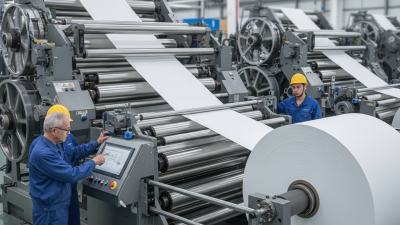
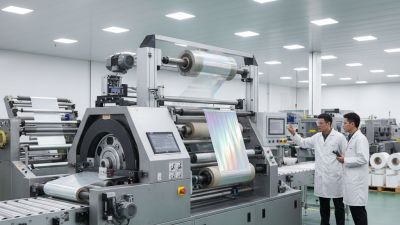
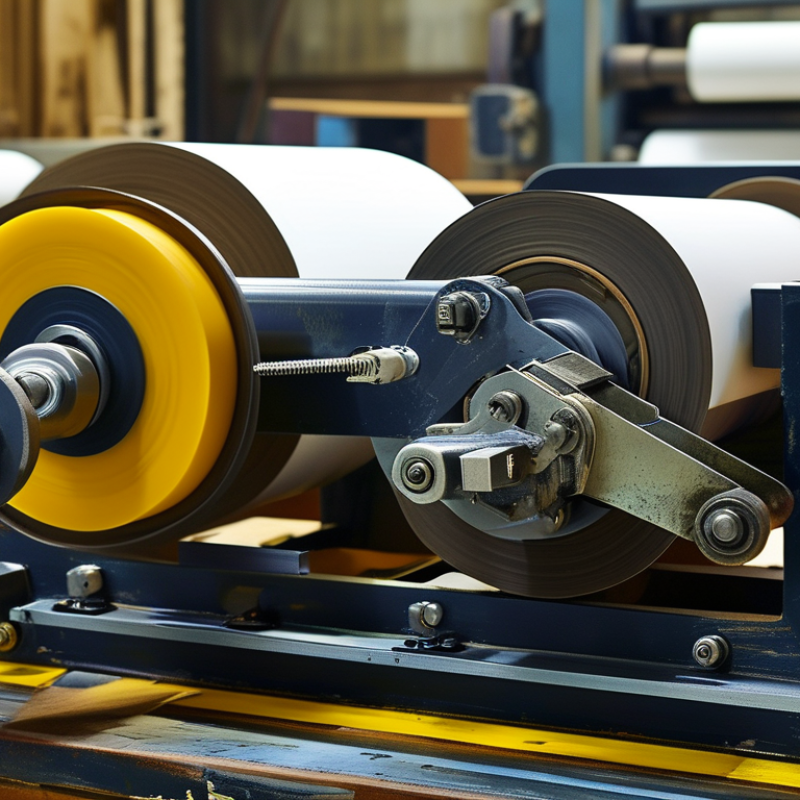
A rewinder machine is an essential tool in many manufacturing processes, particularly in the packaging and converting industries. It is designed to rewind rolled materials like paper, film, and foil. Rewinding is a critical step that ensures optimal registration, tension control, and material integrity. The machine achieves precision by employing various mechanical and electronic components that control the speed and tension of the material as it is wound onto cores.
The working principle of a rewinder machine involves feeding a large roll of material into the machine. As the material passes through rollers, it is rewound into smaller rolls. This process not only enhances the usability of materials but also prepares them for further processing. According to a recent industry report by Smithers, the global demand for rewinder machines is projected to grow by 5% annually, underscoring their significance in enhancing operational efficiency. However, improper setup can lead to material waste and downtime, reflecting the need for skilled operators in this area.
In practice, operators must monitor the rewinding process closely. Variables such as tension and speed need continual adjustment. A report from the Flexible Packaging Association noted that up to 15% of production time could be lost due to recalibrating equipment. This highlights areas for improvement in training and machine maintenance. Investing in technology can mitigate these issues, yet it requires careful consideration of budget and resource allocation.
The Components of a Rewinder Machine
A rewinder machine is essential in many manufacturing processes. Its primary function is to rewind large rolls of material into smaller ones. This is vital for industries such as packaging, printing, and textiles. Understanding the components of a rewinder machine helps in appreciating its operational efficiency.
The core components include the unwind unit, tension control system, and the rewind spindle. The unwind unit holds the original roll of material. It ensures even feeding, which minimizes defects. Tension control maintains consistent pressure on the material. This prevents curling or wrinkling. The rewind spindle collects the material into new rolls. It is crucial for maintaining the integrity of the finished product. According to industry reports, optimizing these components can improve production speeds by up to 30%.
Another important part is the control system. This allows operators to adjust speeds and monitor production. Some machines now feature automated settings, which enhance reliability. Regular maintenance of these components is essential but often overlooked. Failure to do so can lead to increased downtime and higher operational costs. Data suggests that up to 20% of machine faults arise from inadequate maintenance, highlighting the need for a structured approach in any facility using rewinder machines.
Rewinder Machine Usage Statistics
How a Rewinder Machine Operates: Step-by-Step Process
A rewinder machine is essential in various industries, particularly in packaging and printing. It converts large rolls of material into smaller, manageable sizes. Understanding how a rewinder operates can enhance efficiency in production lines.
The rewinding process begins with the material unrolling from the supply shaft. Precision is crucial here to avoid wrinkles. The material then passes through tension control systems, which regulate the force applied as the roll rewinds. This step ensures the final product maintains consistent quality. A recent report from the International Journal of Advanced Manufacturing states that proper tension management can reduce material waste by up to 20%. After rewinding, the cut roll is often passed through inspection and trimming systems to ensure quality standards.
Tips: Always check the tension settings before starting a new roll. This can help prevent issues like spools breaking or misalignment. Additionally, regular maintenance of the rewinder machine can prolong its life and improve its performance. Remember, inadequate maintenance often leads to unexpected downtime.
Applications of Rewinder Machines in Various Industries
Rewinder machines play a crucial role in various manufacturing sectors. These machines are designed to wind, unwind, or alter the roll size of materials like paper, film, and textiles. According to a report by Smithers Pira, the global market for rewinder machines is expected to reach $1.5 billion by 2026. This highlights their increasing relevance in today’s industries.
In the packaging industry, rewinder machines streamline production lines by optimizing roll size and reducing waste. For instance, a well-calibrated rewinder can improve material yield by up to 15%, significantly impacting production costs. Additionally, in the textile sector, these machines ensure uniformity in roll sizes, which is essential for quality control in fabric manufacturing.
Despite their advantages, challenges exist. Some companies report issues with machine maintenance that lead to production downtime. Operators need proper training to handle complex setups effectively. Attention to detail is paramount; even a minor error can result in material loss. As industries evolve, the demand for high-performance rewinder machines will likely continue to grow. However, ongoing improvements in technology and training will be essential to fully harness their potential.
Benefits of Using a Rewinder Machine in Production Lines
Rewinder machines play a crucial role in modern production lines. They are designed to handle, process, and manage rolls of materials. This includes paper, film, and metal foil. By converting large rolls into smaller, manageable sizes, rewinder machines enhance efficiency. According to industry reports, companies that utilize rewinder technology can see a 25% increase in production speed.
One of the biggest benefits is reducing material waste. A properly calibrated rewinder ensures minimal off-cuts and defects. Implementing a rewinder in production can save up to 15% in material costs. This not only boosts profitability but also aligns with sustainable practices. However, not all machines are created equal. Companies must evaluate the specific needs and limitations of their production lines. A mismatch can lead to inefficiencies, even with advanced technology.
Despite the benefits, companies sometimes face challenges. Maintenance of rewinder machines can be complex. Operators need training to handle nuances. Frequent breakdowns can also interrupt the workflow, affecting overall productivity. Additionally, the initial investment for high-end models can be significant. This requires careful consideration and planning in any production strategy.