Leave Your Message
AI Helps Write

China Top Rewinder Machine Manufacturers and Suppliers?

China’s rewinding equipment sector is gaining attention as flexible packaging, paper converting, and film production expand worldwide. Smithers estimates that the global flexible packaging market will exceed US$300 billion during the current decade. This growth creates steady demand for a reliable Rewinder Machine. Buyers now examine more than purchase price. They compare web tension, slitting accuracy, automation, waste levels, and after-sales support.

AIMCAL technical expert Craig Sheppard once stated, “The best machine is the one that runs consistently, shift after shift.” That practical view matters on a busy factory floor. A poorly tuned rewinder can produce wrinkles, telescoping rolls, uneven edges, and costly material loss. These defects may appear minor. They are not minor after thousands of meters.

Reports from PMMI also show continuing investment in automation, digital monitoring, and production efficiency across packaging machinery. Chinese manufacturers increasingly offer servo-driven shafts, automatic roll changing, laser core positioning, and tension-control systems. However, specifications alone do not prove performance. A supplier should provide trial results, measured output, warranty terms, spare-parts access, and references from comparable plants.

This guide reviews leading China Rewinder Machine manufacturers and suppliers through a practical purchasing lens. It considers machine design, customization capability, quality management, export experience, and technical service. Some rankings remain subjective. Factory visits and live testing are still necessary. That is the uncomfortable part. A polished catalog cannot replace evidence from a running production line.
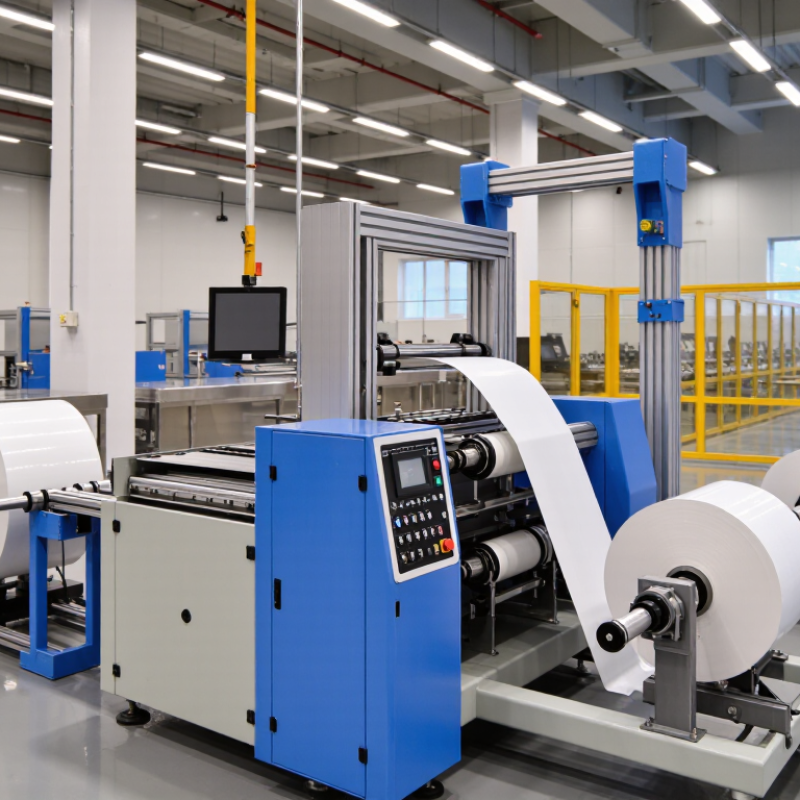
China Top Rewinder Machine Manufacturers and Suppliers?

What Is a Rewinder Machine and How Does It Work?

What Is a Rewinder Machine and How Does It Work?

A rewinder machine converts a large parent roll into smaller, usable rolls. The process begins when an unwind stand releases paper, film, foil, or nonwoven material. Guide rollers keep the web aligned. Tension sensors then adjust speed and braking force. A slitting unit cuts the web into selected widths. Finally, winding shafts form tight rolls with controlled edges and pressure.

Modern rewinders depend on three controls: tension, tracking, and winding hardness. If tension is too high, thin film may stretch or wrinkle. If it is too low, the roll can telescope during transport. Operators usually check splice quality, core alignment, dust, and roll diameter. Small errors become visible after hundreds of metres. That practical detail is easy to underestimate.

Market demand supports this equipment investment. Smithers’ The Future of Global Packaging to 2028 forecasts continued growth in global packaging consumption, driven by flexible and paper-based formats. Grand View Research also reports strong expansion in the paper packaging market through 2030. These trends encourage converters to seek faster changeovers and less trim waste. Yet speed alone is not performance. A rewinder running at 600 metres per minute may still lose money through poor tension settings, damaged cores, or excessive startup waste. Supplier evaluations should compare usable output, automation stability, maintenance access, and operator training, not only the maximum rated speed.
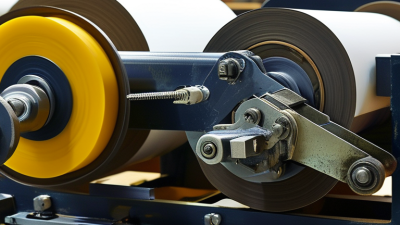
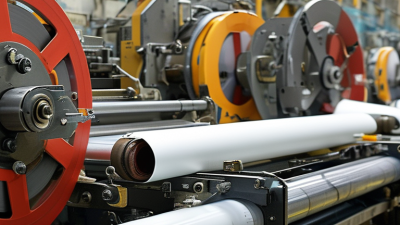
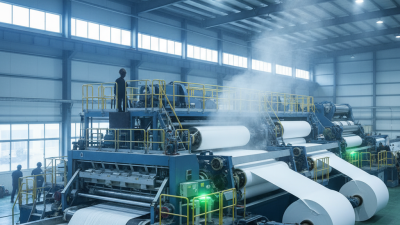
A rewinder machine unwinds a parent roll, removes defects or trims the web when required, and rewinds it into smaller rolls. The chart shows representative maximum web-speed ranges commonly associated with different converting materials; actual performance depends on roll width, basis weight, tension control, slitting method, and product specifications.

Main Types of Rewinder Machines Made in China

China Top Rewinder Machine Manufacturers and Suppliers?
Main Types of Rewinder Machines Made in China

Chinese manufacturers produce several rewinder types for paper, film, foil, labels, tissue, and nonwoven materials. Slitter rewinding machines divide master rolls into narrower rolls. They suit flexible packaging and label production. Surface winders handle delicate webs with stable tension control. Center-winding machines support thicker materials and higher roll hardness. Turret rewinders reduce shaft-change time during continuous production. Inspection rewinders add cameras, defect marking, and automatic stopping functions.

Machine selection should follow the material, not only the advertised speed. Smithers’ 2024 report, The Future of Flexible Packaging to 2028, projects the global flexible packaging market to exceed US$320 billion by 2028. This growth increases demand for accurate slitting and lower material waste. However, a faster machine may create more edge dust or telescoping rolls. That detail is often ignored. In factory evaluations, operators should test actual substrate samples, including different thicknesses and coating conditions. ISO 9001 certification can support process consistency, but it does not replace a live production trial.

Tips: Request finished-roll samples before ordering. Check tension stability at low and high speeds. Ask for data on waste rates, splice time, and electrical consumption. Inspect the control cabinet and spare-parts list carefully. A lower quotation can hide expensive upgrades later. Also, confirm training, remote support, and acceptance-test procedures in writing. Vague specifications remain a practical risk.

China Top Rewinder Machine Manufacturers and Suppliers? - Main Types of Rewinder Machines Made in China

Rewinder Machine Type Typical Materials Typical Working Width Typical Maximum Speed Typical Finished Roll Diameter Main Applications Key Configuration Features
Paper Slitter Rewinder Coated paper, kraft paper, thermal paper, label stock and laminated paper 1,300–3,300 mm 300–1,500 m/min 600–1,500 mm Printing, packaging, publishing and paper-converting operations Automatic tension control, slitting knives, edge guiding, roll hardness control and automatic roll unloading
Plastic Film Slitter Rewinder BOPP, PET, CPP, PE, PVC and other flexible packaging films 1,000–3,000 mm 500–2,000 m/min 400–1,000 mm Flexible packaging, laminating, film extrusion and label production Non-contact or contact slitting, automatic tension regulation, differential shafts and defect inspection options
Aluminum Foil Slitter Rewinder Household foil, pharmaceutical foil, laminated foil and thin metalized materials 800–2,000 mm 300–1,000 m/min 300–800 mm Food packaging, pharmaceutical packaging, insulation and industrial laminates Low-tension winding, precision edge control, clean-room-compatible options and shaft or shaftless winding systems
Nonwoven Slitter Rewinder Spunbond, meltblown, spunlace, SMS and other nonwoven webs 1,600–3,600 mm 200–800 m/min 500–1,200 mm Medical products, hygiene products, filtration media and geotextiles Low-pressure winding, wide-width web handling, dust-control provisions and programmable roll-length control
Adhesive Tape Rewinder BOPP tape, PVC tape, masking tape, double-sided tape and foam tape 600–1,800 mm 200–1,200 m/min 80–300 mm Industrial, electrical, office and consumer adhesive tapes Narrow-width slitting, automatic length measurement, core positioning, tension control and turret rewinding options
Stretch Film Rewinder Cast stretch film, blown stretch film and pre-stretched packaging film 500–2,000 mm 400–1,200 m/min 100–500 mm Pallet wrapping, logistics packaging and industrial load protection Controlled stretch ratio, automatic roll change, film tension monitoring and core-cutting or coreless options
Toilet Tissue and Paper Towel Rewinder Tissue paper, kitchen towel base paper and perforated household paper 2,850–5,600 mm 600–2,000 m/min 1,000–3,000 mm Household tissue, commercial tissue and converting plants Perforation, embossing, glue application, log accumulation, automatic cutting and core or coreless winding
Textile and Technical Fabric Rewinder Woven fabrics, coated textiles, mesh, fiberglass fabric and industrial fabrics 1,600–3,800 mm 100–600 m/min 500–1,500 mm Tarpaulins, filtration fabrics, construction textiles and composite materials Heavy-duty rollers, adjustable winding pressure, fabric alignment, inspection systems and variable-width winding
Jumbo Roll Rewinder Paper, film, foil, nonwoven and composite flexible web materials 1,600–4,500 mm 200–1,500 m/min 800–2,000 mm Large-roll finishing, intermediate converting and material distribution High load capacity, automatic shaft handling, roll hardness adjustment, splice management and programmable production recipes

Note: The specifications shown are typical commercial ranges for machine configurations commonly manufactured in China. Actual working width, speed, roll diameter and automation level vary according to material thickness, tensile strength, web tension, slitting method and customer requirements.

Key Industries Using Chinese Rewinder Equipment

Chinese rewinder equipment serves flexible packaging, paper, film, foil, labels, and tissue production. Grand View Research valued the global flexible packaging market at about USD 268.6 billion in 2023. It forecasts growth near 4.8% annually through 2030. These figures explain rising demand for stable slitting, accurate rewinding, and lower material waste. Converters often specify automatic tension control, edge guidance, dust removal, and quick shaft changes.

Paper and tissue plants use rewinders after coating, printing, or calendaring. FAOSTAT data indicate global paper and paperboard production exceeded 400 million tonnes in 2022. That volume creates continuous demand for high-output winding systems. In practical trials, operators watch roll hardness, telescoping, splice quality, and core alignment. Small defects become expensive during long production runs. Sometimes, speed is overstated.

Film and label converters require cleaner handling and tighter tolerances. Industry forecasts from Smithers identify continued growth in pressure-sensitive labels and flexible packaging, supported by food, beverage, pharmaceutical, and household-product packaging. Chinese rewinder suppliers commonly configure machines for narrow rolls, multilayer films, aluminum foil, and coated papers. Battery-material production also uses precision slitting for separator films and coated metal foils. However, reported maximum speed is not equal to usable speed. Humidity, film stretch, operator training, and maintenance can reduce real output. A reliable evaluation should compare defect rates, changeover time, energy use, and measured roll quality, not only catalog specifications.

How to Evaluate China’s Top Rewinder Machine Manufacturers

Evaluating China’s top rewinder machine manufacturers requires evidence beyond catalogs and polished factory videos. Smithers’ 2024 flexible packaging report forecasts continued market growth through 2028, increasing demand for stable, high-speed converting equipment. This makes production consistency more important than the lowest quotation.

Ask for a live trial using your actual film, paper, or foil specifications. Measure web tension variation, edge alignment, splice quality, waste percentage, and changeover time.

A strong manufacturer should provide recorded test results, electrical diagrams, maintenance schedules, and traceable component records. Review ISO 9001 procedures, export documentation, and destination-market safety compliance. CE-related files may be necessary for some markets, but certificates must match the exact machine model.

PMMI industry research continues to identify labor efficiency and automation as major packaging priorities. Therefore, inspect automatic roll handling, tension control, alarm systems, and remote diagnostic functions.

Speak with at least two existing users, preferably those operating similar widths and materials. Do not rely on a single reference.

I have seen attractive demonstrations hide difficult cleaning access and slow service responses. That is a useful warning.

A more reliable evaluation includes factory acceptance testing, spare-parts response times, warranty terms, software access, and technician training. Price still matters, but an inexpensive rewinder can become costly through waste, downtime, and unstable output.

What to Check When Choosing a Rewinder Machine Supplier in China

China Top Rewinder Machine Manufacturers and Suppliers?

When choosing a rewinder machine supplier in China, inspect evidence rather than relying on attractive photographs. Ask for a factory video, production records, and a live machine demonstration. The supplier should explain web width, rewinding speed, roll diameter, core size, and material compatibility clearly. Vague answers create expensive delays.

Request a test using your actual film, paper, foil, or nonwoven material. Watch tension stability, edge alignment, roll hardness, dust control, and automatic stopping. Check the control system, emergency guards, electrical documentation, and available spare parts. A capable engineer should explain why each component is selected. Safety documents must match the machine supplied, not an older model.

I once focused too much on the quoted speed. That was a mistake. Stable output mattered more than a faster empty run. Ask for references from similar production environments, warranty conditions, installation support, and response times for service requests. Confirm whether training includes maintenance and fault diagnosis. Communication quality also matters; unclear drawings can cause incorrect installation. Inspect packaging and loading procedures before shipment. A reliable supplier welcomes reasonable questions and records every agreed specification. Small omissions often become large costs.