Selecting a Roller Tensioner manufacturer involves more than comparing prices or browsing product photos. Buyers need components that fit their equipment, perform consistently, and remain available when replacements are needed. A tensioner that looks suitable on a specification sheet may still differ in mounting dimensions, operating range, materials, or maintenance needs. Small details matter.
This guide introduces ten manufacturers for global buyers to consider. It focuses on practical selection factors, including product range, engineering capabilities, quality controls, customization options, and access to technical support. These factors can help purchasing teams build a clearer shortlist before requesting drawings, samples, or quotations. They also make supplier comparisons more useful than broad marketing claims.
The right choice depends on the application. A high-speed production line may require different performance characteristics than agricultural or material-handling equipment. Buyers should confirm compatibility, expected operating conditions, lead times, and service arrangements directly with each supplier. Where available, review technical documents and ask how products are tested. Do not assume that similar dimensions mean equivalent performance.
Manufacturer rankings can offer a starting point, not a final verdict. Availability and support may vary by region, and public information is not always complete. That limitation deserves attention. Use this overview to guide further research and verify important details with the manufacturer before making a purchase decision.
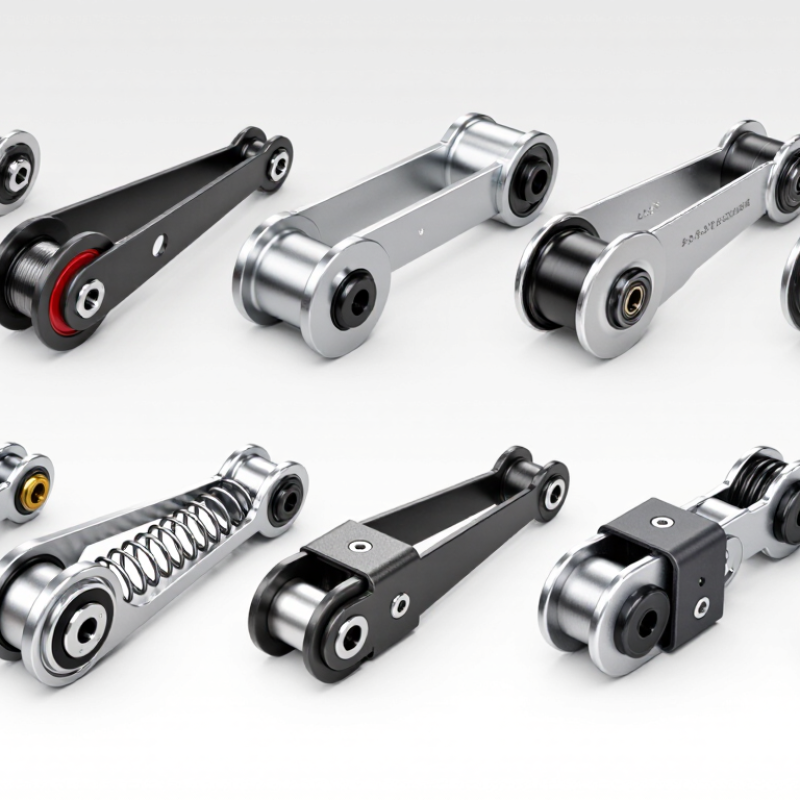
A roller tensioner maintains controlled pressure on a moving belt, chain, or web. Its roller guides the material while a spring, screw, or actuator adjusts tension. In conveyors, packaging lines, and power-transmission drives, stable tension helps limit slip, tracking errors, and vibration. Too much pressure can load bearings and accelerate wear; too little can let a belt wander. Small shifts matter. The U.S. Department of Energy’s 2014 Improving Motor and Drive System Performance sourcebook estimates that motor-driven systems use about 68% of electricity consumed by U.S. industry. That figure describes motor systems, not tensioners specifically, but it shows why reliable drive components deserve attention.
Tips: Check roller alignment and belt tracking under operating load, not only while the machine is stopped. Look for uneven wear, heat, and dust around the bearing. Follow the equipment maker’s tension limits; “tighter” is not automatically better.
Selection depends on belt width, operating speed, load changes, temperature, and contamination. A compact spring unit may suit a steady-duty line, while changing loads may call for adjustable tension control. Specify bearing protection and replacement access, too. A tensioner that is difficult to inspect can be neglected in practice. One limitation: real operating conditions rarely match a clean catalog example, so verify performance during commissioning and recheck it after the belt has run in.
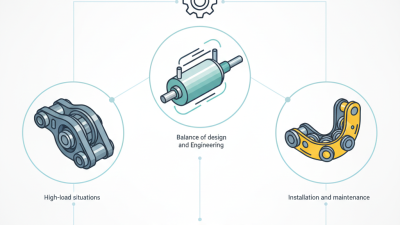
Roller tensioners commonly use fixed, spring-loaded, hydraulic, or eccentric adjustment. A fixed unit suits systems adjusted during installation, while a spring-loaded design compensates for belt stretch and changing loads. Hydraulic types can damp sudden movement, but seals and fluid condition need attention. Eccentric mounts offer straightforward adjustment, though limited travel may complicate service.
The assembly usually includes a roller or pulley, bearing, tensioning arm, spring or damper, and mounting bracket. Check roller width and diameter against the belt path, then confirm shaft fit and mounting clearance. A narrow roller can wear a belt edge. Small details matter. Bearing speed capacity, radial load, temperature range, and allowed misalignment should match actual operating conditions, not just catalog descriptions.
Performance specifications should state the working tension range, adjustment travel, allowable speed, and expected service environment. Ask for dimensional drawings, material details, and test information where available. In practice, noise or uneven wear may point to alignment trouble rather than a weak tensioner. That can mislead. Recheck pulley alignment and belt tracking before increasing preload; excess tension can shorten bearing life. There is no single ideal specification for every machine, and I would treat unclear load data as a reason to verify the application before ordering.
Top 10 Roller Tensioner Manufacturers for Global Buyers
How to Evaluate Roller Tensioner Manufacturers
A roller tensioner may look simple, but small design differences affect belt tracking, vibration, and service life. Ask manufacturers for rated load, operating speed, allowable misalignment, and temperature range. Request test results under conditions close to your actual line, not just a catalog rating. Check roller runout and bearing specifications. A precise drawing helps confirm fit before installation.
Evidence matters. The U.S. Department of Energy’s Operations & Maintenance Best Practices guide reports that effective maintenance programs can save 5–20% in energy costs. That figure applies to maintenance programs generally, not tensioners alone. Still, it shows why buyers should examine maintenance needs alongside purchase price. Ask how lubrication intervals, bearing replacement, and spare-part availability are documented. A neat brochure is not proof. Request inspection records and, where possible, a sample unit for trial.
Compare quality controls, material traceability, and failure-analysis procedures. Ask how the manufacturer handles early wear, noise, or inconsistent tension; the answer can reveal more than a polished presentation. Check references from applications with similar loads, dust, and duty cycles. Also confirm lead times and support across your operating region. One detail is easy to overlook: a technically capable supplier may still be a poor fit if replacement parts arrive too slowly. No checklist removes every risk, so record assumptions and test them against real operating data.
| Rank | Evaluation Dimension | What to Compare | Evidence to Request | Buyer Check |
|---|---|---|---|---|
| 1 | Application fit | Compatibility with the intended belt, chain, web, or other tensioned system; mounting arrangement; duty cycle; and operating environment. | Application drawings, product selection data, and examples of comparable installations. | Confirm the tensioner is designed for the specific system rather than relying on a general product description. |
| 2 | Load and travel range | Rated force or load, usable adjustment travel, and the relationship between force and displacement. | Technical data sheets, load-versus-travel curves where available, and stated operating limits. | Compare values under the same installation and operating conditions; there is no single load or travel range suitable for every application. |
| 3 | Roller and bearing design | Roller dimensions, bearing type, rotation requirements, allowable speed, and provisions for alignment. | Assembly drawings, bearing specifications, and maintenance instructions. | Check that roller width, diameter, bearing arrangement, and speed capability match the equipment design. |
| 4 | Materials and corrosion resistance | Materials used for the roller, frame, spring, fasteners, and exposed surfaces; suitability for moisture, chemicals, dust, or washdown. | Material specifications, coating details, and any application-specific corrosion test information. | Assess each exposed component against the actual environment; a corrosion-resistant finish does not necessarily make every component corrosion-proof. |
| 5 | Operating conditions | Permitted temperature range, contamination exposure, vibration, and indoor or outdoor use. | Published operating limits and written confirmation for conditions outside standard catalog specifications. | Use the system’s expected operating extremes, not just typical ambient conditions, when checking suitability. |
| 6 | Testing and validation | Inspection and testing relevant to the product, such as dimensional checks, functional checks, or load testing where specified. | Inspection plans, sample test reports, and acceptance criteria linked to the order. | Ask what is tested, how results are recorded, and whether test requirements can be agreed before production. |
| 7 | Quality management | Documented production controls, inspection procedures, corrective-action processes, and the scope of any quality certification. | Current certificates, certificate scope, and relevant quality-control documentation. | Verify certificates with the issuing body and confirm that their scope covers the manufacturing site and product activity involved. |
| 8 | Customization and engineering support | Ability to accommodate required dimensions, mounting interfaces, materials, or design constraints. | Engineering review process, drawing approval workflow, and change-control procedures. | Agree on approved drawings and written specifications before production, especially for customized components. |
| 9 | Supply and traceability | Quoted production lead time, export packing, shipping terms, spare-parts availability, and product or batch identification. | Written delivery schedule, packaging details, shipping documentation, and sample traceability records. | Compare the full delivered schedule and confirm how nonconforming or damaged goods are handled. |
| 10 | Lifecycle cost and service | Purchase price alongside installation effort, maintenance needs, replacement parts, warranty terms, and technical support. | Warranty conditions, maintenance guidance, spare-parts list, and service response process. | Evaluate expected ownership costs and support requirements, not purchase price alone. |
Evaluation note: Use this matrix to compare qualified suppliers against the same application requirements. Request current, product-specific documentation and verify claims independently where certification or regulatory compliance is important.
For global buyers, comparing roller tensioner manufacturers means looking beyond catalog photos and quoted prices. A tensioner may appear simple, yet small differences in bearing quality, spring response, and mounting accuracy can affect belt tracking and service intervals. Ask suppliers for dimensional drawings, load ratings, material details, and documented inspection procedures. Clear answers matter.
Test compatibility with the actual belt width, operating speed, temperature, and installation space. A sample can reveal issues that a specification sheet cannot: rough rotation, uneven spring return, or a bracket that clashes with nearby guards. Check whether the manufacturer can provide consistent replacement parts and realistic lead times for your destination. Communication counts too. Technical questions should receive specific answers, not vague promises.
Compare manufacturers using the same criteria, and record what is verified versus merely claimed. Request relevant quality records and references for comparable applications, while checking that documents match the supplied product. This takes time. It can feel excessive for a small component, and buyers sometimes focus too much on unit price. That is an easy mistake. A supplier’s willingness to discuss limitations, tolerances, and inspection results may offer a more useful signal than polished marketing material.
When comparing roller tensioner manufacturers, look beyond catalog dimensions. Ask for load ratings, operating-temperature ranges, fatigue-test methods, and material traceability. Request a sample inspection report, then compare its measurements with your drawing. Small alignment errors can shorten belt life. A polished document set helps, but it does not replace consistent production checks.
Tips: Confirm the exact tensioner model, shaft interface, and packaging requirements in writing. Ask how defects are recorded and what response time support teams can realistically meet. Test one unit in your actual assembly.
Check that documents match the destination market and intended machine; do not assume one certificate covers every use. Confirm material declarations, inspection records, and change-control practices before repeat orders. Discuss replacement-part availability, lead times, and technical help across time zones. A responsive contact matters when a production line stops, not just during quotation. Even a capable manufacturer can misunderstand a drawing. A signed-off sample reduces, but never removes, that risk. These checks take time.