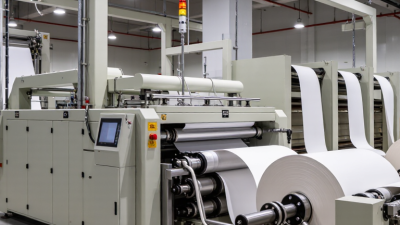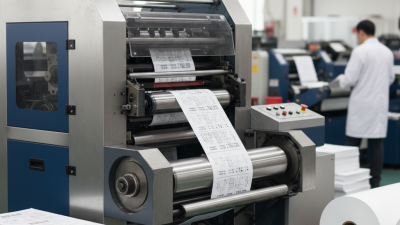
A Copy Paper Machine can help a paper business control production, quality, and supply more directly. For a mill or converting operation, the choice affects far more than output volume. It shapes sheet consistency, energy use, staffing needs, and delivery schedules. A machine running beside a winding and cutting line is not just equipment; it is part of a connected production system.
The right investment depends on the paper grades, sheet sizes, and monthly demand your business can realistically support. Consider operating speed, basis-weight range, drying capacity, automation, maintenance access, and compatibility with existing equipment. These details matter on an ordinary shift, when a worn felt or uneven moisture can cause downtime and inconsistent reams. Ask suppliers for documented performance data, service terms, and references from comparable installations. Verify the figures against your own production conditions.
Look closely at the full cost, not only the purchase price. Power, water, spare parts, operator training, and planned maintenance all affect long-term value. A lower initial quote may leave important upgrades outside the package. The math is not always neat. Demand can change, and projected savings may not appear immediately. A careful feasibility review can expose those gaps before you commit.
This guide examines why businesses choose a Copy Paper Machine, what features deserve close attention, and how to compare options responsibly. It also considers the trade-offs. The best choice is not necessarily the fastest machine; it is one your team can run reliably and maintain with available skills. Start with clear production goals. Then test each proposal against them.
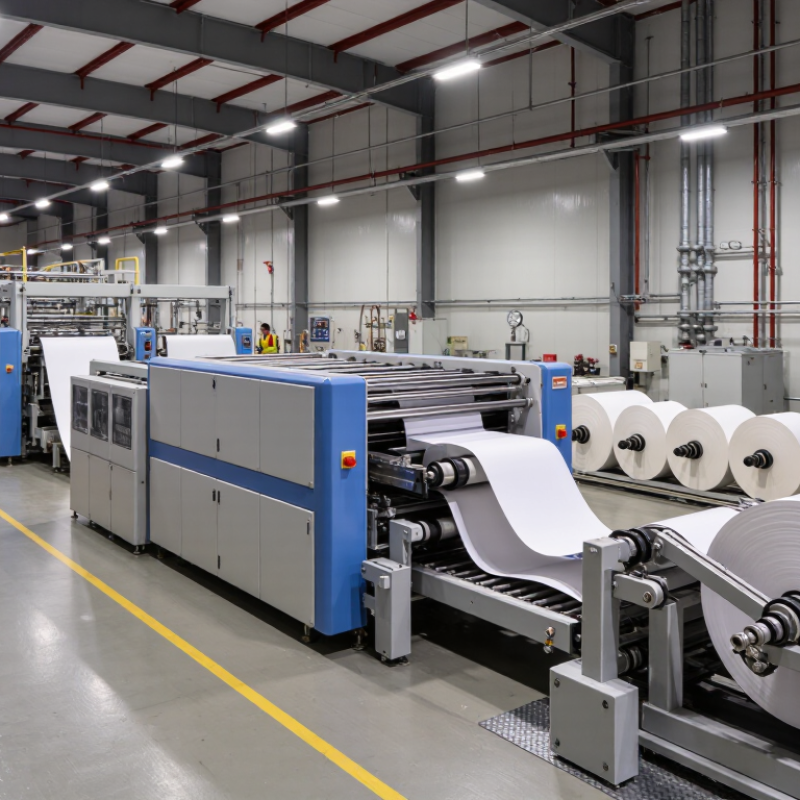
Why Choose a Copy Paper Machine for Your Business?
What a Copy Paper Machine Is and How It Works
A copy paper machine turns prepared pulp into a continuous, uniform sheet, then into cut-size paper. The process begins with water and refined fibers mixed into a dilute stock. A headbox spreads this mixture across a moving forming wire. Water drains through the mesh, leaving a fragile fiber mat. It starts wet. Press rolls squeeze out more water before steam-heated cylinders dry the sheet. Calender rolls smooth it, and a reel gathers the finished paper for cutting and packaging.
The scale is substantial. FAO’s Forest Products 2022 report records about 401 million tonnes of global paper and paperboard production that year. A mill making office paper must still control the details: basis weight, moisture, thickness, and surface smoothness. Even small variations can affect printer feeding or cause curled sheets. ISO 536 provides a standard method for measuring paper grammage, helping operators check weight consistently. Real production is less tidy than a diagram. Fiber quality and water conditions shift, so operators adjust settings throughout a run. The machine is not simply a fast paper maker; it is a coordinated line where forming, pressing, drying, and finishing influence the final sheet.
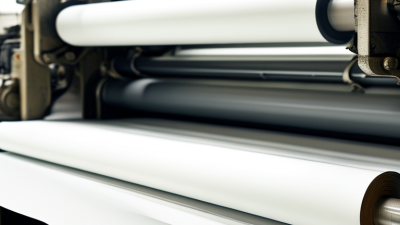
A copy paper machine turns prepared fibers into sheets that feed smoothly through printers and copiers. The process begins with wood pulp, recovered paper, or a blend of both. Recycled stock is sorted and cleaned to remove staples, plastics, ink, and grit. Virgin pulp is processed into usable fibers. Clean water matters throughout.
The fibers mix with water to form a thin slurry. Refining adjusts their surface and flexibility, while small amounts of functional additives can improve strength, brightness, or resistance to moisture. The slurry flows onto a moving screen. Water drains away, and the fibers begin to bond into a fragile web. It looks surprisingly delicate.
Press rolls remove more water before heated cylinders dry the sheet. A calender then smooths the surface and helps control thickness. The finished paper is wound into large rolls, inspected, and cut into standard sizes. Moisture, basis weight, thickness, and surface quality all affect how reliably a sheet runs through office equipment.
Operators watch for breaks, uneven edges, and changes in the sheet’s feel. A machine can be well designed, yet poor fiber preparation or unstable moisture can still cause defects. That part deserves honest attention. During setup, measurements should guide adjustments rather than guesswork.
Operating a copy paper machine can give a business closer control over product quality and delivery schedules. Instead of relying entirely on purchased sheets, a mill can set target basis weight, reel width, and moisture levels for its customers. Small adjustments matter. Consistent moisture helps reduce curl and jams during printing, while accurate slitting limits ragged edges and unusable trim. These controls are useful for wholesalers serving offices, schools, and print shops with predictable demand.
The business case is practical. Producing closer to demand can reduce finished-goods storage and make custom sheet sizes easier to supply. A production team can track output per shift, fiber use, electricity consumption, and reject rates to see whether each order earns enough margin. Maintenance planning matters too. A worn blade or uneven dryer setting can create waste long before a major breakdown appears. Operators need training, spare parts, and a clear quality-check routine, not just a machine purchase.
Capacity should match dependable sales, not the most optimistic forecast. A machine running below its economical rate may spread fixed costs across too few tonnes; running too hard can strain staff and maintenance. It is worth checking local fiber supply, energy prices, water use, and delivery costs before choosing a line. Some assumptions will be wrong. A short trial with sample reels and real customer specifications can reveal where quality, cost, or scheduling plans need adjustment.
| Business Dimension | Buying Finished Copy Paper | Operating a Copy Paper Converting Line | Potential Business Benefit |
|---|---|---|---|
| Production scope | Purchase paper already cut and packaged for sale or use. | Typically converts jumbo rolls into sheets, then counts and packages them. Pulp and paper production require separate papermaking equipment. | Adds control over converting and packaging without implying that a sheeting line makes paper from pulp. |
| Common product specification | Finished sheets are ordered to a chosen size and grammage. | Sheet size, cut accuracy, grammage, and packaging depend on the input roll, machine configuration, and quality controls. | Can support product choices matched to local customer requirements. |
| Reference product calculation | A4 paper measures 210 × 297 mm; 80 g/m² is a commonly used office-paper grammage. | At 80 g/m², one A4 sheet weighs about 4.99 g; 500 sheets weigh about 2.50 kg, excluding packaging. | Useful for estimating roll requirements, pack weights, storage, and freight. Actual output varies with trim and process losses. |
| Supply-chain control | Availability and delivery timing depend on finished-goods suppliers and transport. | Requires jumbo-roll sourcing, production planning, machine uptime, and finished-product inventory management. | May improve scheduling flexibility when suitable roll stock and production capacity are available. |
| Product customization | Choice is generally limited to available supplier specifications and pack formats. | Depending on machine capability, operators can select cut sizes, sheet counts, and packaging formats. | Can help serve different customer segments and private-label requirements. |
| Cost assessment | Unit cost is based on the purchase price, delivery, storage, and handling of finished paper. | Unit cost should include roll stock, labor, energy, packaging, maintenance, rejects, financing, and depreciation. | A site-specific cost model can show whether converting in-house is economical; savings are not guaranteed. |
| Quality management | Quality checks can be performed on incoming finished goods and during storage. | Requires process checks for sheet dimensions, cut quality, counts, packaging, and material defects. | Direct process monitoring can identify production issues earlier, provided suitable inspection procedures are in place. |
| Investment and operating requirements | Lower equipment requirements; working capital is tied to purchasing and holding finished goods. | Requires capital investment, floor space, trained operators, maintenance, utilities, and appropriate safety measures. | Best assessed against expected demand, utilization, local costs, and the total cost of ownership. |
| Capacity planning | Order quantities can be adjusted to supplier availability and storage capacity. | Rated output varies by equipment model, paper grade, sheet size, operating speed, and downtime; verify specifications with a supplier. | Matching verified capacity to demand helps avoid underuse, bottlenecks, and excess inventory. |
Note: Figures shown are basic reference calculations, not a machine-performance or profitability guarantee. Actual output, costs, and savings depend on equipment specifications, raw-material prices, operating conditions, and local market demand.
Choosing the right copy paper machine starts with the paper you plan to make, not the fastest speed on a sales sheet. Define target basis weight, sheet width, daily output, and acceptable variation in thickness and moisture. A machine that runs quickly but produces uneven reels can create jams at the sheeter and waste usable fiber. Not just speed.
Check grade flexibility and furnish requirements. The U.S. Environmental Protection Agency’s 2018 Advancing Sustainable Materials Management report found that 68.2% of paper and paperboard generated in the United States was recycled. That figure covers many paper grades, not copy paper alone, but it makes recycled-fiber capability a practical question. Ask how the stock-preparation system handles variable recycled furnish, and confirm cleaning, screening, and strength-control needs with a process engineer.
Utilities and service access matter just as much. Compare expected energy and water use per tonne, routine maintenance hours, and the availability of critical spare parts. Request performance data for a product grade and operating speed close to your own; headline capacity can hide setup losses. Measure twice. Then check the floor plan: a winder, pulper, and reel-handling area need clear access, not merely space on a drawing. Some uncertainty remains until trials reveal how your actual furnish behaves. A small production test can expose that gap before a full installation.
Choose a machine that can cut and handle the paper sizes your customers need. These are standard ISO 216 sheet dimensions; confirm the machine’s format range before purchasing.
A copy paper machine is a major investment, and its purchase price is only part of the cost. Budget for installation, power, water treatment, pulp or recovered fiber, operators, and waste handling. Energy use can shift production costs sharply, especially when the machine runs below capacity. Ask for verified output figures at your intended paper weight and operating speed. A spreadsheet can still mislead if it assumes every shift runs smoothly. It rarely does.
Maintenance affects both cost and usable production time. Inspect forming fabrics, rollers, bearings, and drying sections on a planned schedule; small wear can cause sheet breaks or uneven surfaces. Keep common replacement parts nearby, and train operators to record vibration, moisture, and web breaks. These notes help distinguish a recurring fault from a one-off problem. They take time.
Production targets should match actual demand, not just the machine’s maximum rating. Check whether the line can maintain consistent basis weight, brightness, and moisture across long runs. Frequent grade changes may increase setup time and off-spec paper. Before buying, compare expected monthly output with available labor, utilities, storage, and maintenance support. Local conditions vary, so test assumptions against real operating data where possible.