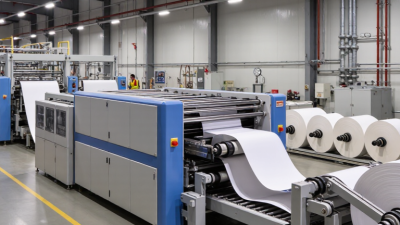
Choosing a Printing Paper Machine in 2026 starts with the paper, not the sales brochure. A tissue line, a board machine, and a fine-paper Fourdrinier serve different production goals. Their forming sections, pressing systems, drying capacity, and finishing equipment shape both output and quality. One speed figure cannot tell the whole story.
Papermaking researcher Dr. Hannu Paulapuro’s technical work offers a useful perspective. In paraphrase, a buyer’s guiding principle is: “Match the machine to the grade and process, not just the target speed.” That distinction matters on the mill floor. A machine may look impressive on paper, yet struggle with a buyer’s furnish, basis weight, or moisture targets. Real operating conditions matter.
This guide compares key machine types, including Fourdrinier, cylinder mould, twin-wire, tissue, and specialty-paper systems. It considers sheet formation, production range, energy use, automation, maintenance access, and supplier support. Look closely at the details. Ask for comparable performance data and references for similar grades. Check whether the proposed configuration fits the mill’s utilities and planned operating schedule. A faster line is not always the better investment. And specifications can leave questions unanswered. Buyers should verify assumptions with technical teams and site-specific trials where practical. The right choice balances product quality, reliable operation, and long-term cost—not headline capacity alone.
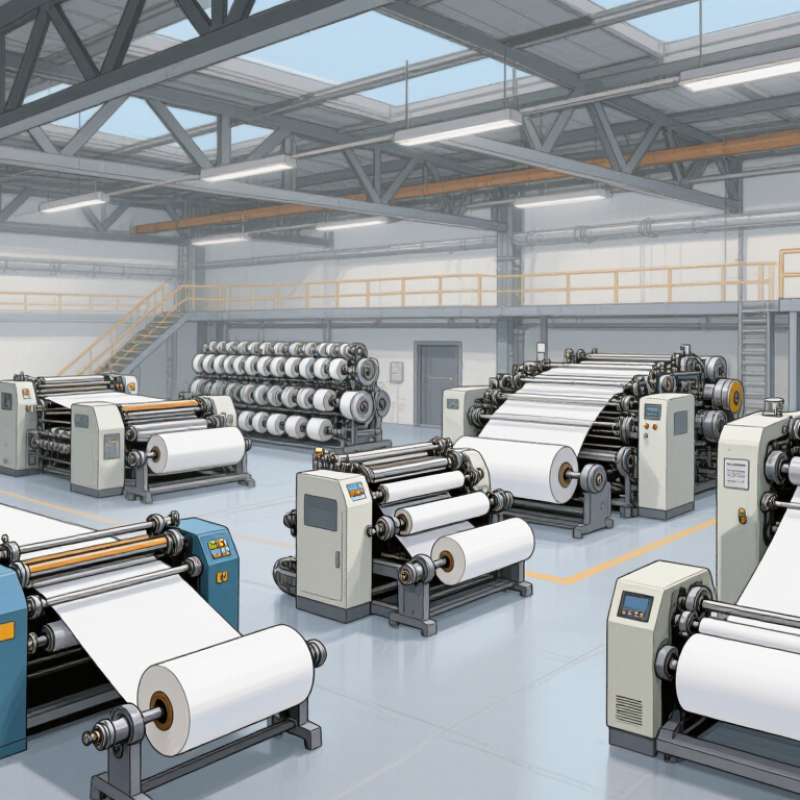
In 2026, a printing paper machine is an integrated line for making paper intended for printed use. It forms a wet fiber mat, presses out water, then dries and finishes the sheet. That distinction matters. Unlike a desktop printer, it produces the paper itself, often in continuous rolls. Coating or sizing may be added when a grade needs a smoother surface, controlled absorbency, or sharper image reproduction.
The line’s identity comes from its output, not just its nameplate speed. Buyers should match fiber furnish, basis weight, reel width, moisture range, and surface properties to the intended printing process. A lightweight sheet for magazines behaves differently from heavier stock used for catalogs or inserts. Formation uniformity and drying balance matter: uneven moisture can cause curl, sheet breaks, or inconsistent ink holdout. Small defects travel far.
Modern lines may use sensors and automated controls to monitor tension, moisture, and sheet breaks. Still, automation cannot erase process limits; operators need stable fiber preparation and practical maintenance access. Ask for trial data on the target grade, not only maximum speed. Check energy and water use per tonne, changeover time, and access to wear parts. Some figures are easy to compare; real production is less tidy.
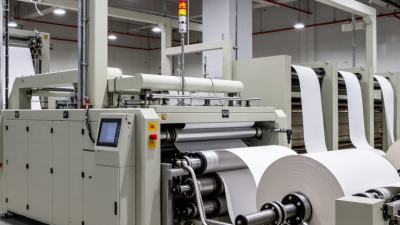
Buyers comparing major printing paper machine types should start with the grade, furnish, and required production range. A Fourdrinier machine forms the sheet on one moving wire. It is a familiar choice for many printing papers, with broad flexibility in basis weight and furnish. Check sheet formation and cross-directional moisture carefully; uneven profiles can affect printing and converting.
A twin-wire machine drains the stock between two wires. Its forming section can support high output, but buyers should compare formation, energy demand, and maintenance access against their actual operating targets.
Cylinder-mould machines form sheets around rotating moulds and can handle multi-ply structures. They may suit specialized grades, though configuration and operating needs vary.
Hybrid machines combine forming methods. That can add flexibility, but also complexity.
Look beyond headline speed. Ask for trial data on opacity, smoothness, tensile strength, and reel quality at the intended grade. Check the approach-flow system, dryer capacity, and space needed for wire changes.
Small details matter. A specification sheet can look convincing, yet miss the cost of grade changes or downtime. There is no universal winner; sometimes the first comparison needs revisiting after real furnish trials.
Printing paper starts as a controlled flow of diluted pulp, not a finished sheet. At the headbox, stock spreads across a moving forming fabric. Water drains through the mesh, while fibers begin to interlock. Fourdrinier machines use one main fabric; twin-wire designs drain from both sides. That matters. Formation affects sheet uniformity, print smoothness, and strength.
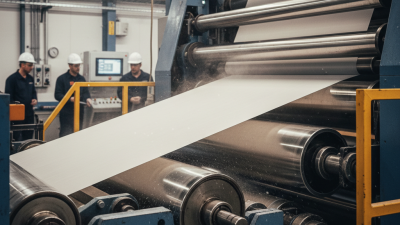
The wet web then passes through press rolls, which squeeze out water before heated cylinders dry it. FAOSTAT’s 2022 Forestry Production and Trade data report roughly 401 million tonnes of global paper and paperboard output. This includes packaging grades, not printing paper alone, but it shows the scale of the process. Even small gains in drainage or drying can matter across high-volume production. Yet rated machine speed is not the whole story; furnish consistency and maintenance can limit real output.
After drying, size presses or coating stations adjust surface properties, while calender rolls smooth the sheet. A buyer should match machine configuration to the target grade: lightweight book paper needs different formation and finishing from glossy magazine stock. Check basis-weight range, moisture control, and web-break performance. A perfect surface is not always the best target. Too much smoothing can reduce stiffness, and that trade-off deserves a trial run before specifications are fixed.
| Machine Type | How the Sheet Is Formed | Typical Printing Paper Grades | How Pulp Becomes Paper on the Machine | Key Advantages | Buyer Considerations |
|---|---|---|---|---|---|
| Fourdrinier (Long-Wire) Machine | Diluted pulp stock flows onto one moving forming fabric. Water drains through the fabric as fibers form a continuous web. | Newsprint, uncoated printing and writing paper, lightweight publication paper, and some specialty papers. | Stock preparation and screening → headbox distributes stock across the wire → drainage and sheet formation → pressing → steam-heated drying → optional surface sizing and calendering → winding and finishing. | Versatile design with a long history of use; can produce a broad range of grades and basis weights. The single-wire layout is relatively straightforward to understand and operate. | Formation and two-sidedness can vary with furnish and operating conditions. Buyers should assess drainage capacity, headbox control, forming fabric, press configuration, and the intended grade range. |
| Twin-Wire Former | The pulp web forms between two fabrics, allowing drainage through both sides rather than through only one forming fabric. | Printing and writing papers, publication grades, and other grades where improved formation or machine speed is important. | Prepared stock is delivered through a headbox into the forming zone → water drains through both fabrics → the web is transferred to the press section → drying, sizing or coating as specified, calendering, and winding. | Two-sided drainage can support faster dewatering and more uniform sheet formation than some conventional single-wire arrangements. | Fabric alignment, drainage balance, and transfer stability require careful control. Evaluate furnish flexibility, maintenance requirements, and the quality targets for the paper’s intended printing process. |
| Gap Former | A high-consistency jet from the headbox enters a narrow gap between two converging fabrics. Water drains outward through the fabrics as the sheet forms. | High-speed printing papers, including lightweight publication and selected uncoated grades. | Stock is prepared and screened → a controlled jet enters the twin-fabric gap → rapid, two-sided drainage forms the web → pressing removes more water → drying, optional surface treatment, calendering, and reeling follow. | Designed for high-speed operation and rapid sheet formation. Two-sided drainage can help achieve good formation when the stock and process are well controlled. | Requires precise headbox and fabric control. Buyers should consider the complexity of operation, grade-change needs, furnish characteristics, and availability of skilled maintenance support. |
| Cylinder (Vat) Machine | One or more rotating cylinders partially immersed in stock collect fibers on their surfaces. The accumulated web transfers to a felt or another forming section. | Selected specialty printing papers, board grades, and multi-ply products; it is less commonly chosen for high-speed, lightweight graphic paper production. | Stock flows into vats → rotating cylinders pick up fiber layers → layers are transferred and combined as needed → pressing consolidates the web → drying, surface finishing, and winding complete the process. | Multiple vats can build layered sheets and support certain heavier or multi-ply products. The forming arrangement can suit products requiring distinct layers. | For conventional high-volume printing paper, compare achievable speed, formation, basis-weight range, and operating cost with flat-wire alternatives. Confirm that the design matches the target grade. |
| Hybrid Former | Combines a Fourdrinier-style forming section with a twin-wire or gap-forming section to continue drainage and improve web formation. | Printing and writing papers, publication grades, and other products needing a balance of formation, drainage, and operating flexibility. | Stock is distributed onto an initial forming fabric → the partly formed web enters a second forming zone between fabrics → pressing, drying, optional sizing or coating, calendering, and winding prepare the finished paper. | Can combine features of single-wire and twin-wire forming. Depending on the design, it may offer useful flexibility across grades and operating conditions. | Machine performance depends on the specific configuration. Buyers should review the complete forming layout, transfer points, furnish range, retrofit requirements, and verified production data for comparable grades. |
Process overview: A paper machine does not convert raw pulp directly into finished printing paper in one step. Prepared pulp stock is formed into a wet web, mechanically pressed, dried, and then finished. Sizing, coating, and calendering are used when required by the target paper grade and print-performance specifications.
A printing paper machine’s rated speed looks impressive on a sales sheet, but stable output matters more. Buyers should compare operating speed with the intended paper grade, sheet width, and furnish. A machine running quickly may still produce uneven basis weight or rough edges. Watch the web closely.
The forming section affects fiber distribution and sheet formation, while press capacity influences how much water remains before drying. Dryer area, steam use, and moisture control then shape production rate and sheet stability. For printing grades, consistent caliper, surface smoothness, and moisture profile help prevent problems such as curling, poor ink transfer, or jams. These results depend on the whole process, not one headline specification.
Ask for performance data on a comparable furnish and grade, including saleable output, broke rate, and energy use per tonne. Check whether the proposed machine can hold quality during grade changes, not only during a long, steady run. A useful trial records cross-machine moisture and basis-weight variation. Still, test results can flatter ideal conditions. Real mills have interruptions, worn fabrics, and operators learning a new system. That deserves a place in the buying discussion.
Choosing a paper machine starts with the grades you will actually sell. Start with the grade. Define basis weight, finished-sheet width, furnish, moisture targets, and expected annual tonnage before comparing forming sections or press configurations. A machine built for lightweight tissue has different forming and drying needs from one producing heavy packaging board. CEPI’s Key Statistics 2023 reported European paper and board production of about 79 million tonnes, roughly 13% below 2022. This regional decline is not a forecast for every market, but it shows why buyers should test capacity plans against several demand scenarios.
Ask suppliers for trial data using your furnish and target grade, not only maximum speed figures. Compare saleable output, startup waste, grade-change time, energy use per tonne, water demand, and maintenance access. Check whether the machine can handle realistic furnish variation; recycled-fiber quality can shift. Request references from mills running similar grades, and verify the figures with operating records where possible. A cautious estimate may still be wrong, so leave room for uncertainty in the business case.
Tips: Map the full line, including stock preparation, finishing, and utilities. Measure twice. Get guarantees stated at your actual grade, width, and furnish. Review CEPI data alongside local demand and energy-cost reports; one industry statistic cannot settle a plant investment decision.